Keystone Manufacturing Company of Boston, Massachusetts around 1950
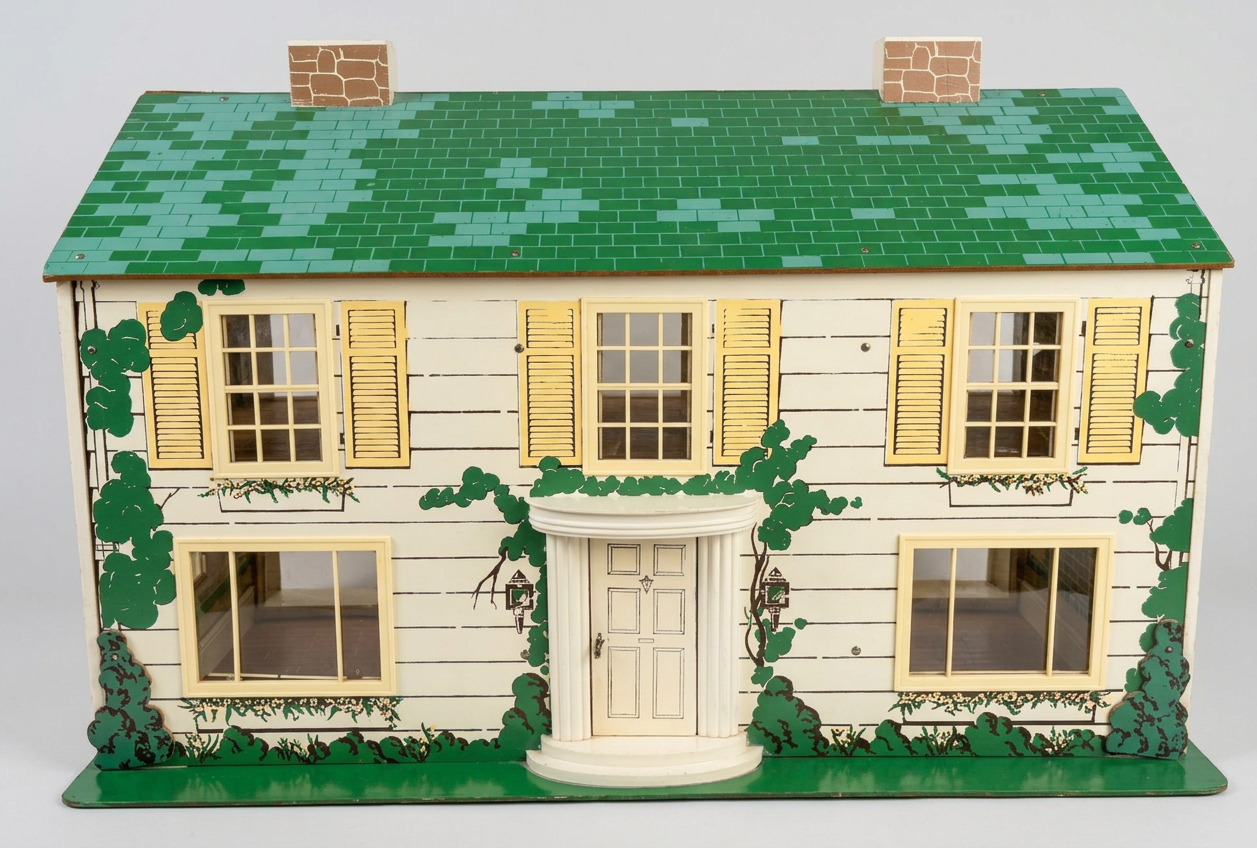
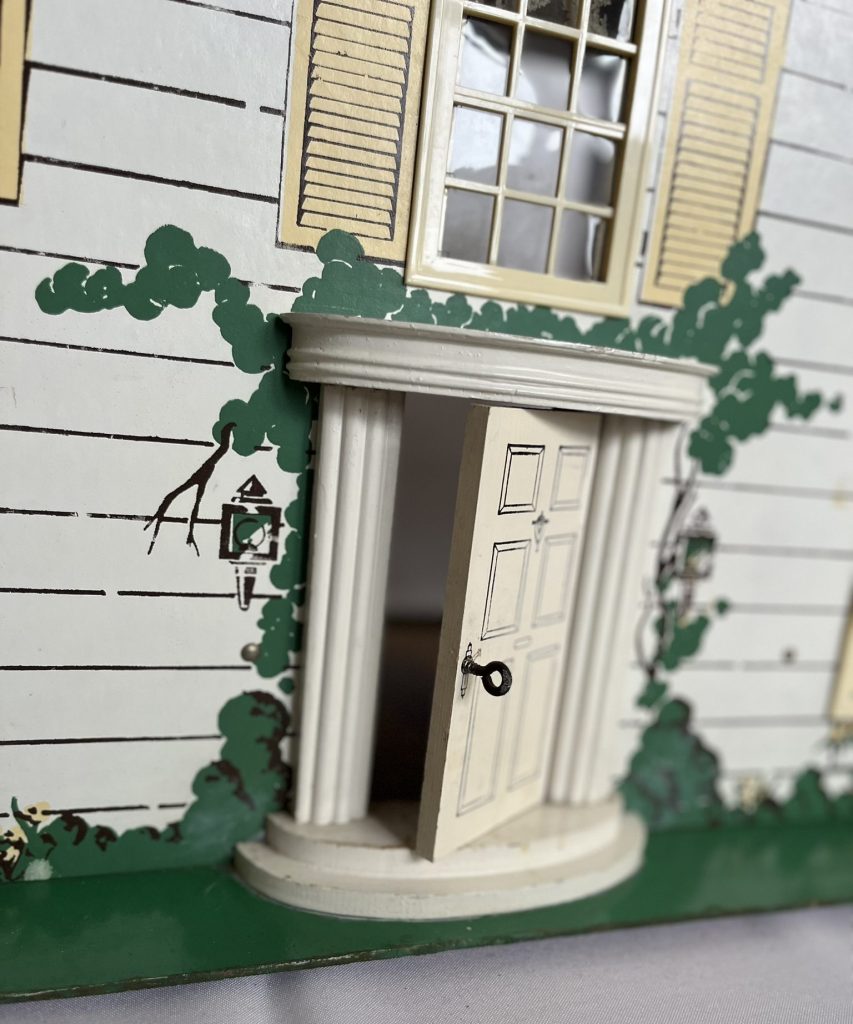
And those little details! The climbing ivy, flower boxes, two chimneys, and beautifully framed windows give the house so much personality.
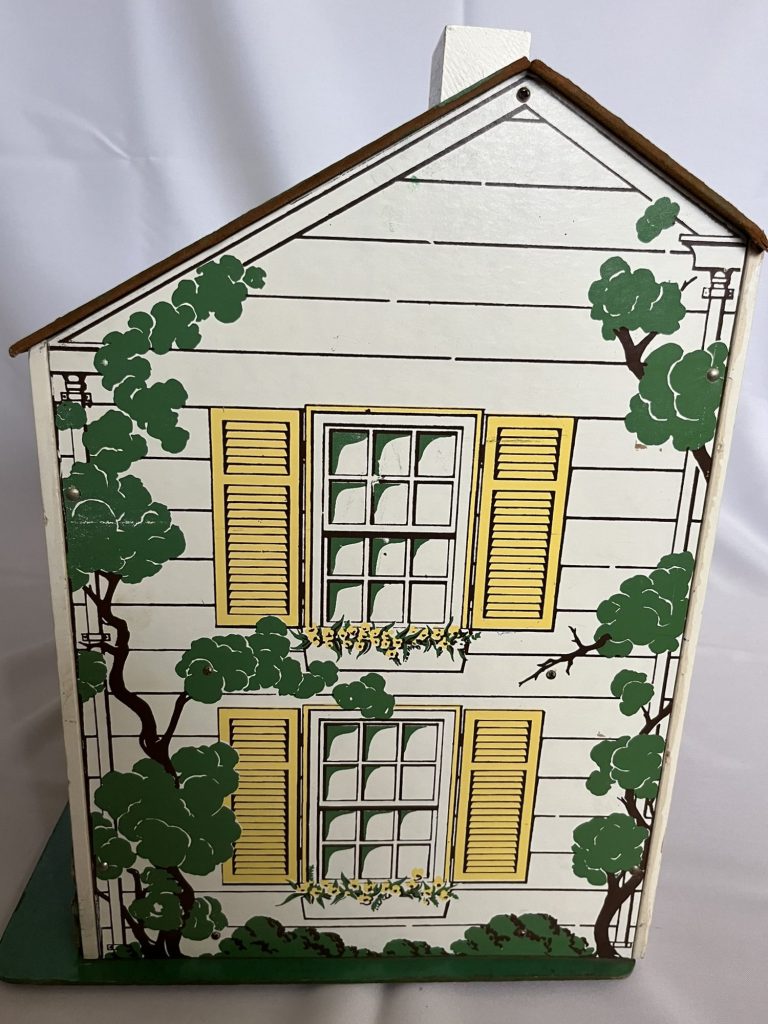
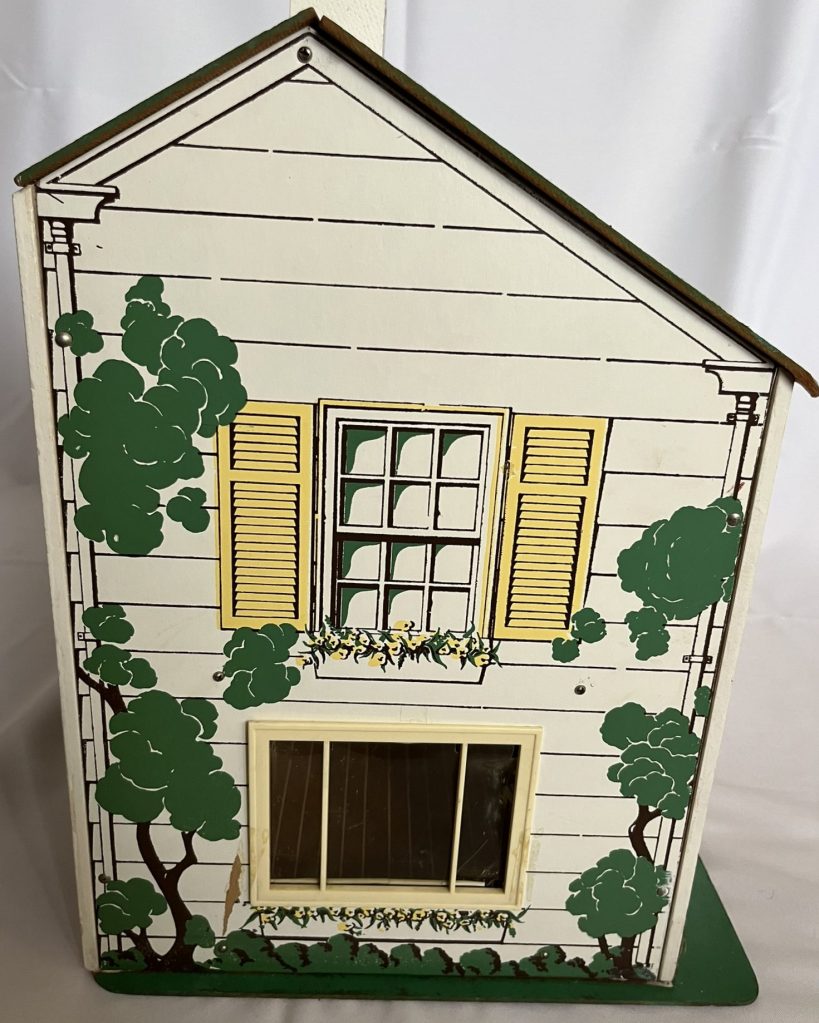
Approx. 36 inches wide, 15 inches deep, and 27 inches tall
Colonial Revival architecture with a symmetrical two-story façade.
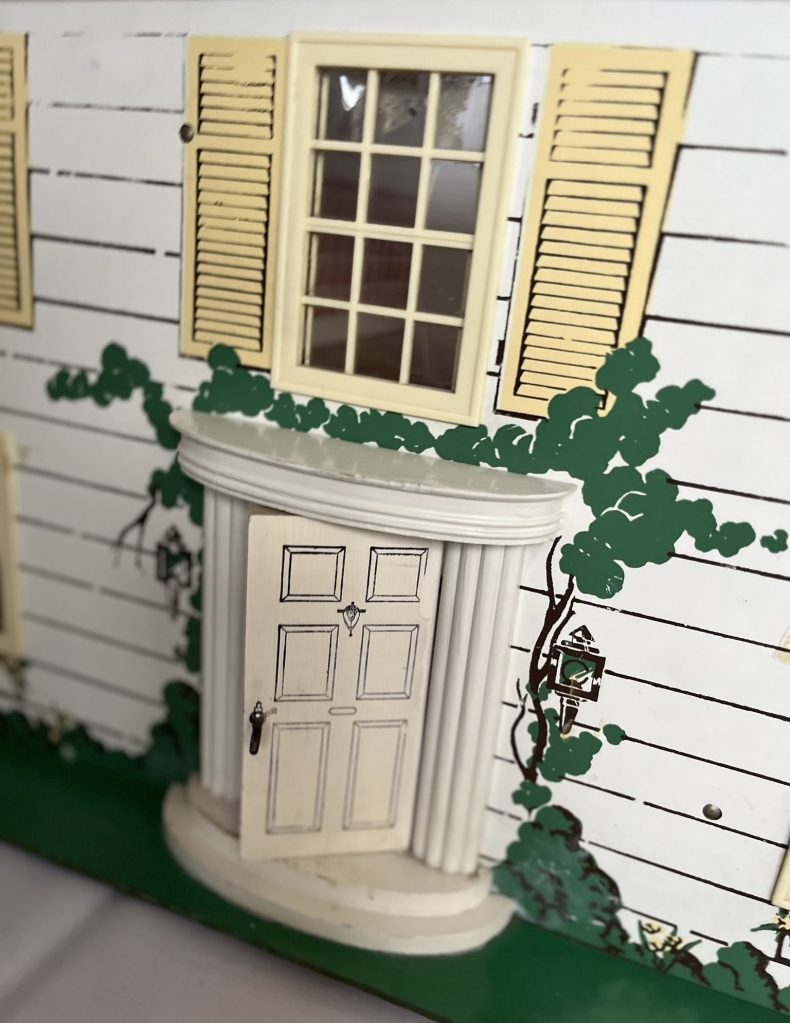
Grand entrance with classical columns and a curved portico.
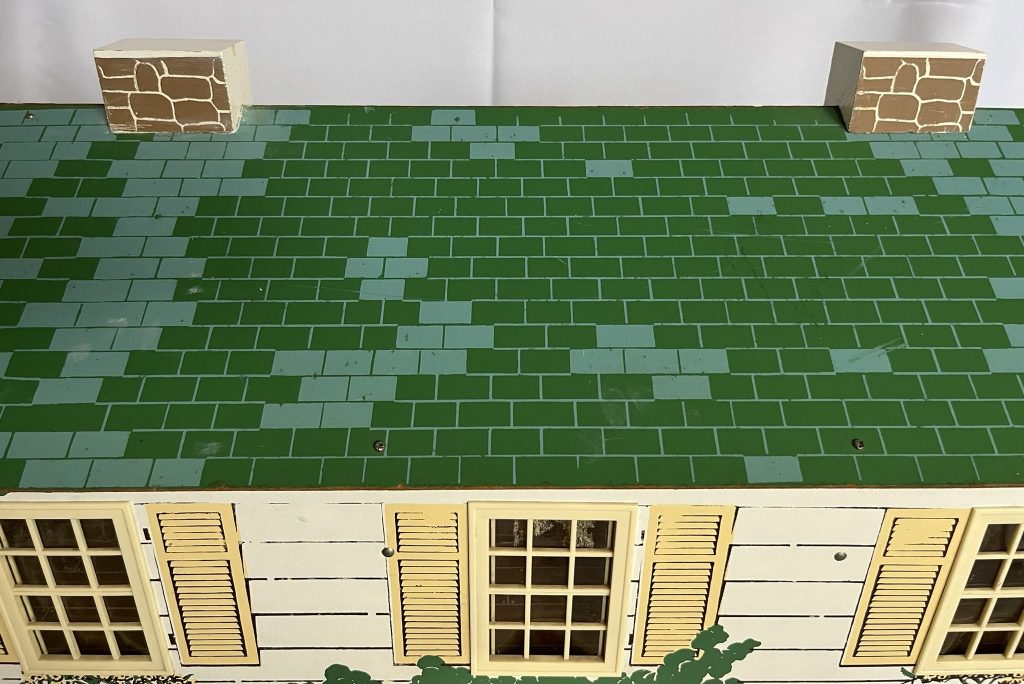
Five front windows with shutters, suggesting a spacious home.
Two chimneys, giving the impression of multiple fireplaces.
Formal landscaping with climbing ivy and window boxes.
Who says dollhouses are just for dolls?
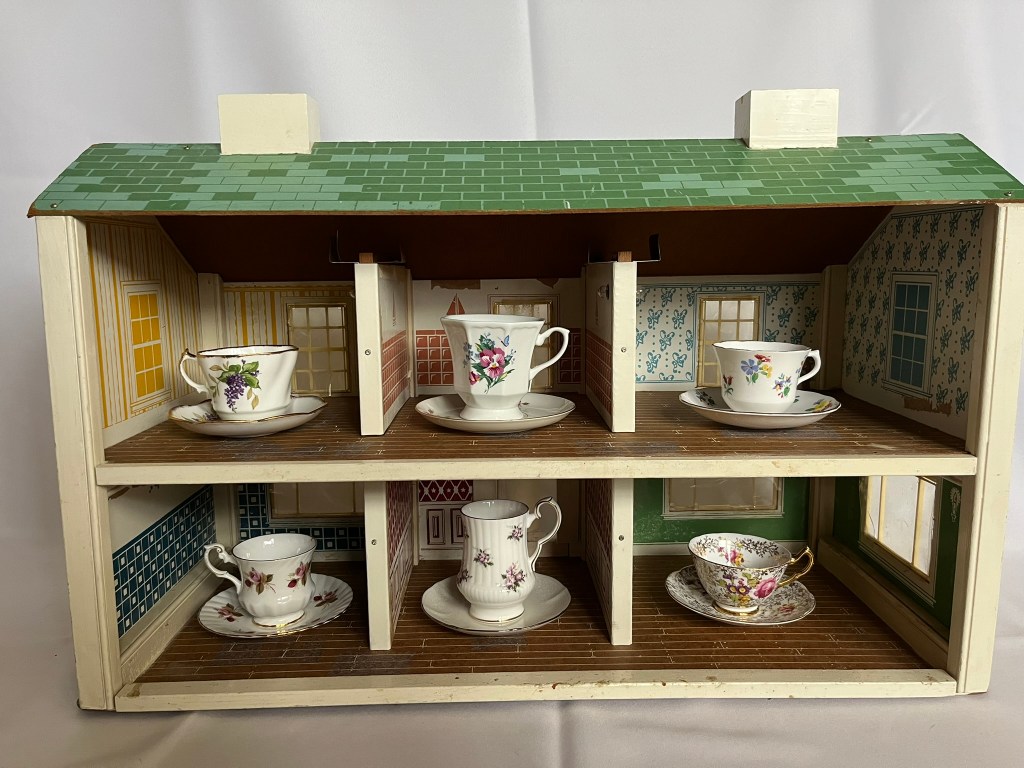
Sometimes, they make the perfect home for something entirely different—like my vintage teacup collection!
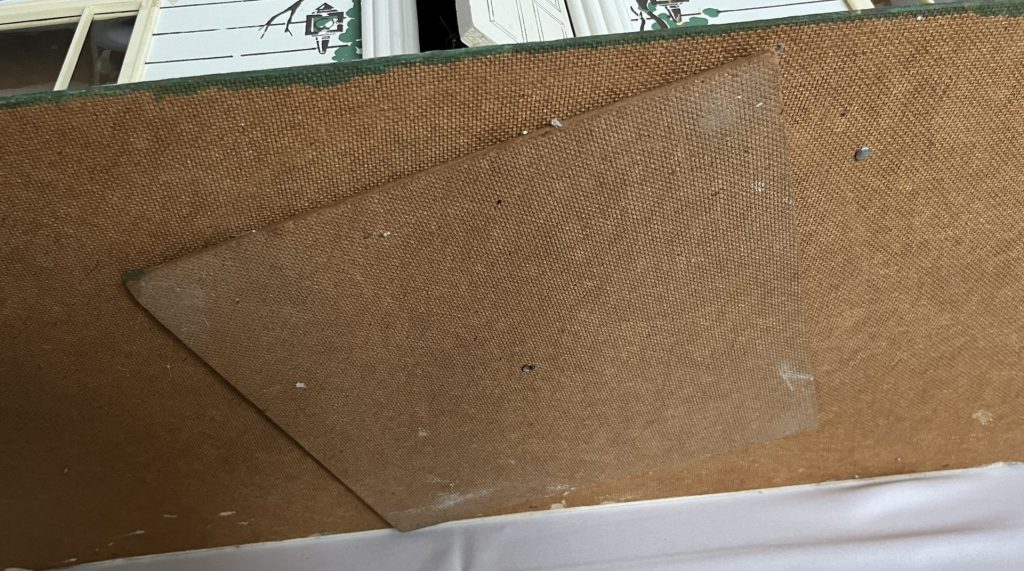
This charming Colonial-style dollhouse was made by the Keystone Manufacturing Company of Boston, Massachusetts, around 1950. The material is hardboard, also commonly called Masonite.
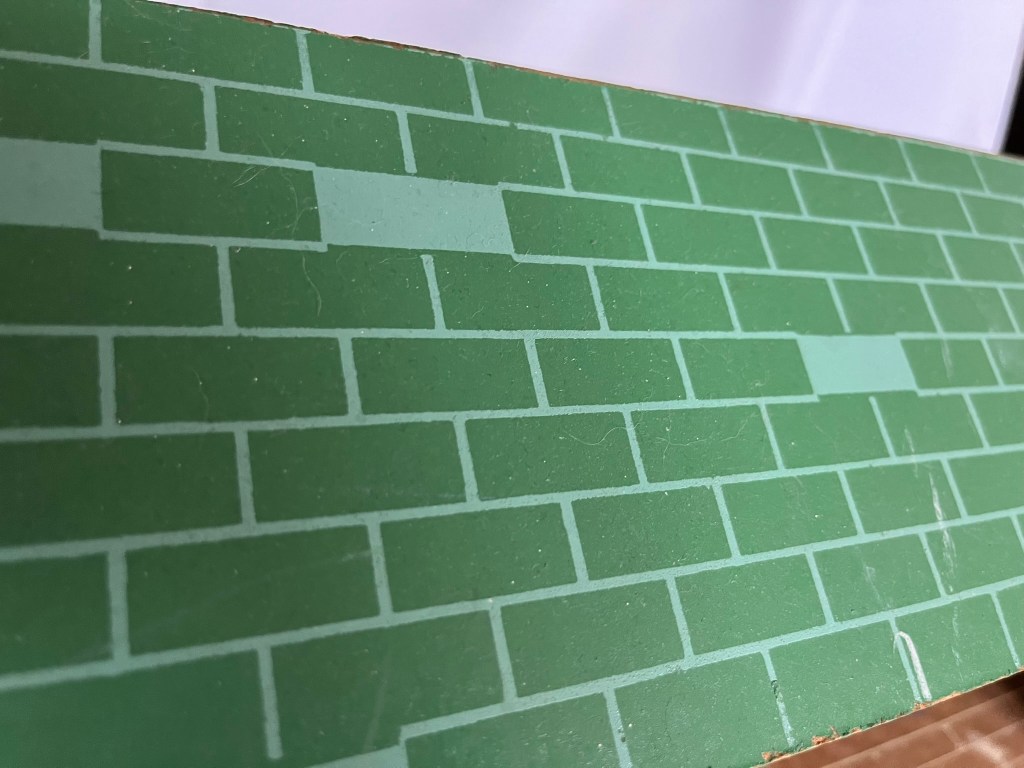
With its green shingled roof, buttery-yellow shutters, white clapboard siding, and grand entrance framed by classical columns, it looks like a miniature version of an elegant American suburban home.
I couldn’t help wondering whether a little girl from a wealthy family might have found one of these beneath her Christmas tree!
A Little History from Boston
Keystone Manufacturing Company began producing dollhouses in the 1930s and became known for its beautifully decorated wooden and Masonite houses.
By the 1950s, Keystone was creating miniature homes with realistic architectural features, colorful printed interiors, and charming details that reflected American residential design.
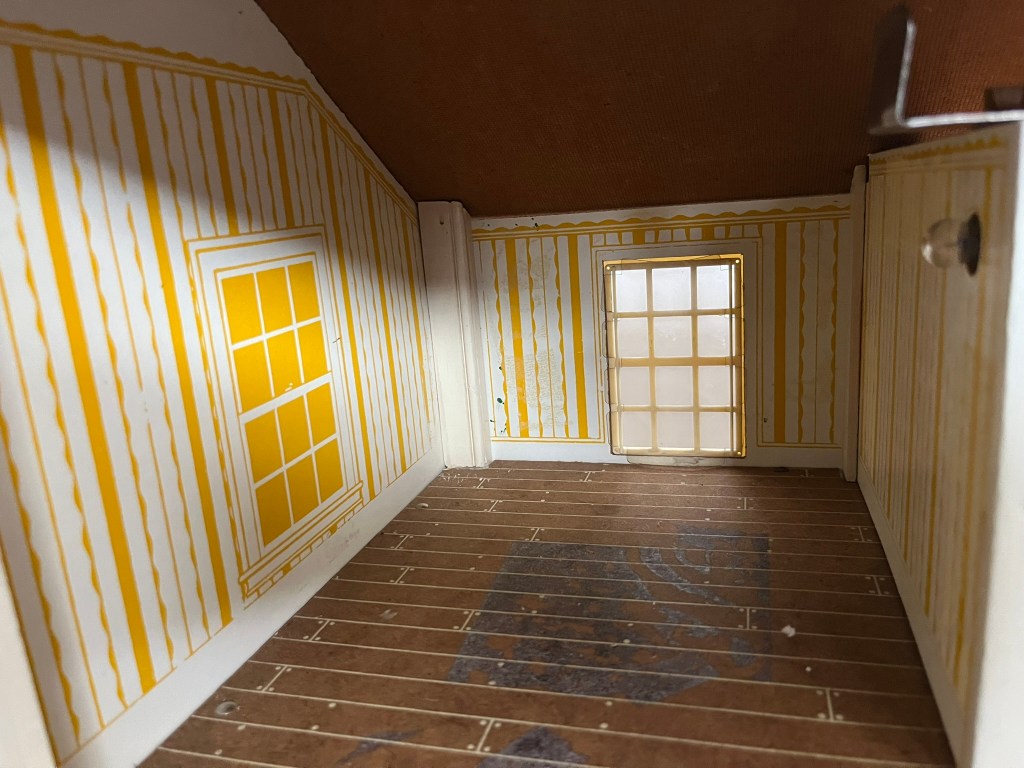
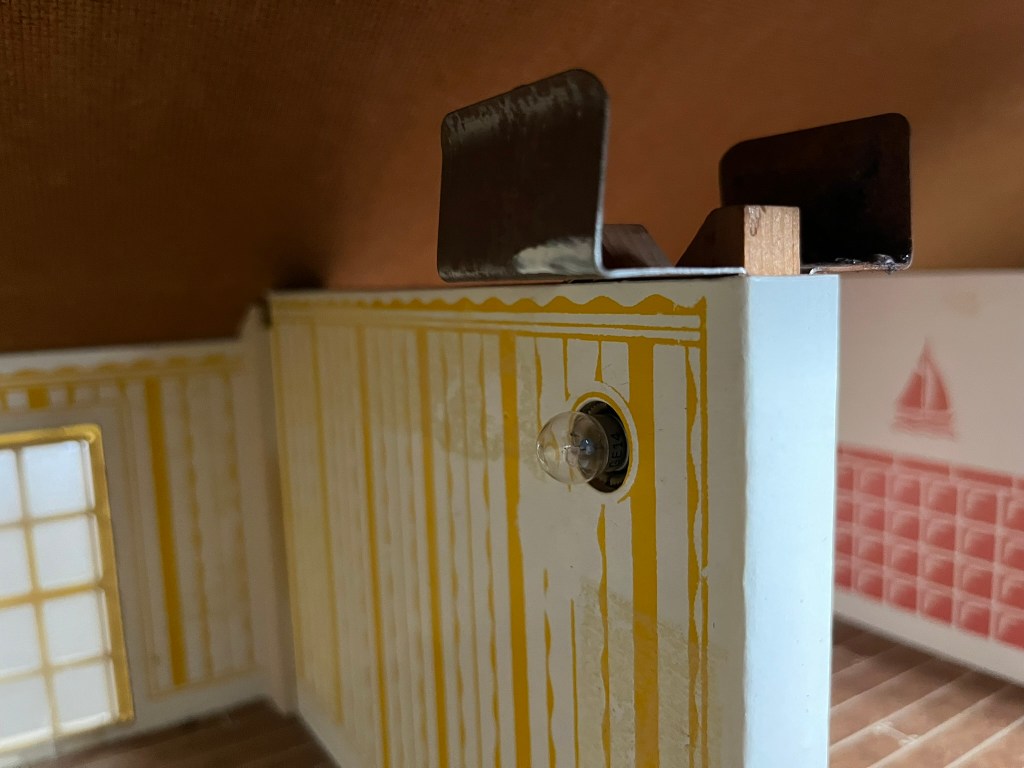
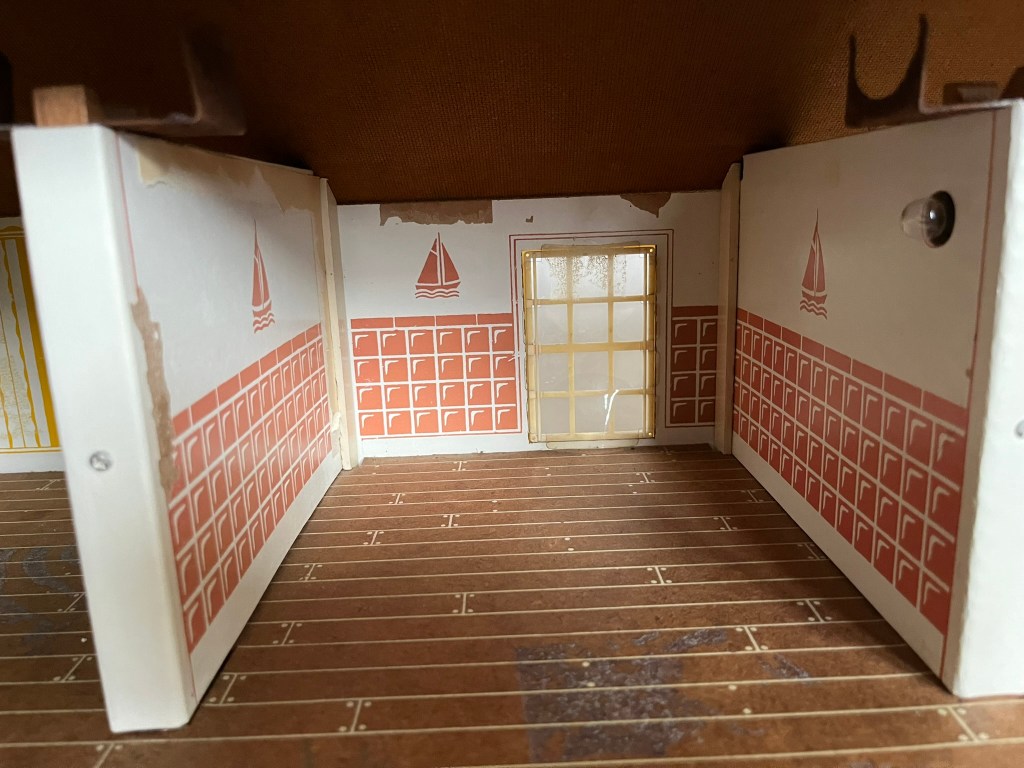
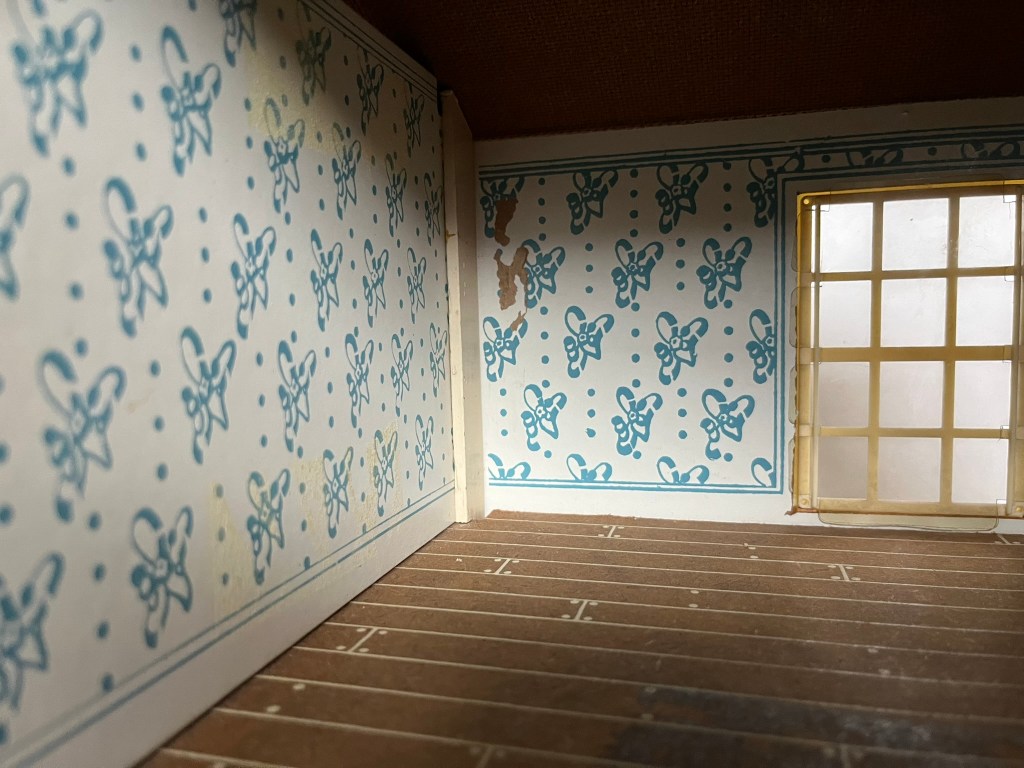
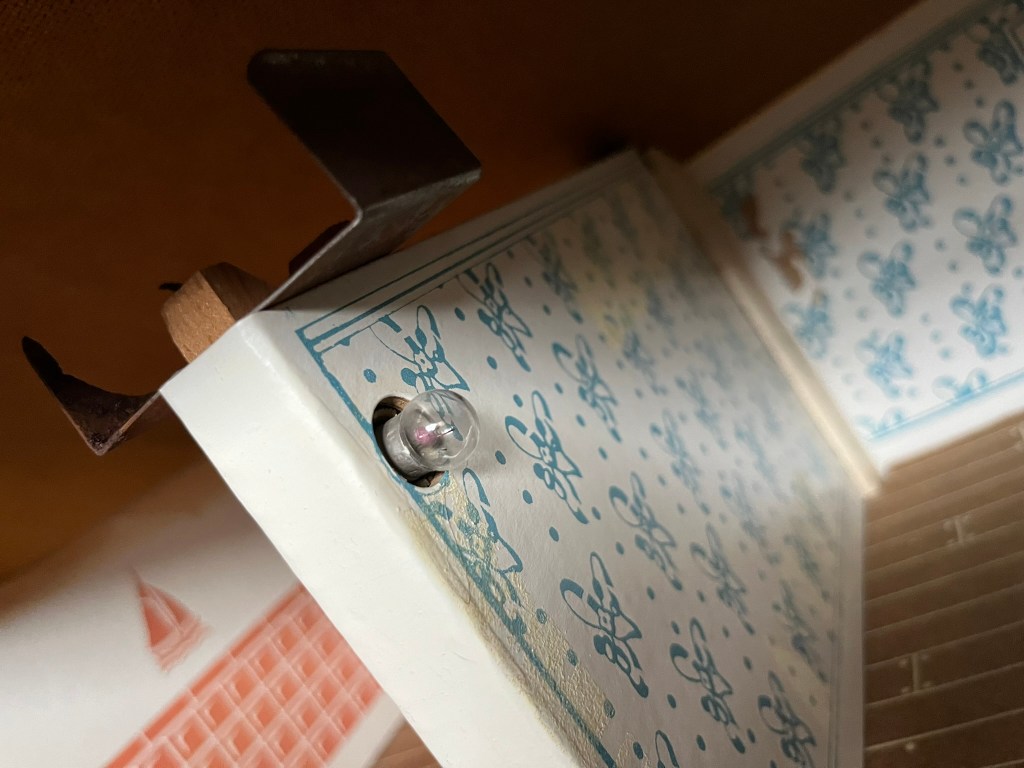
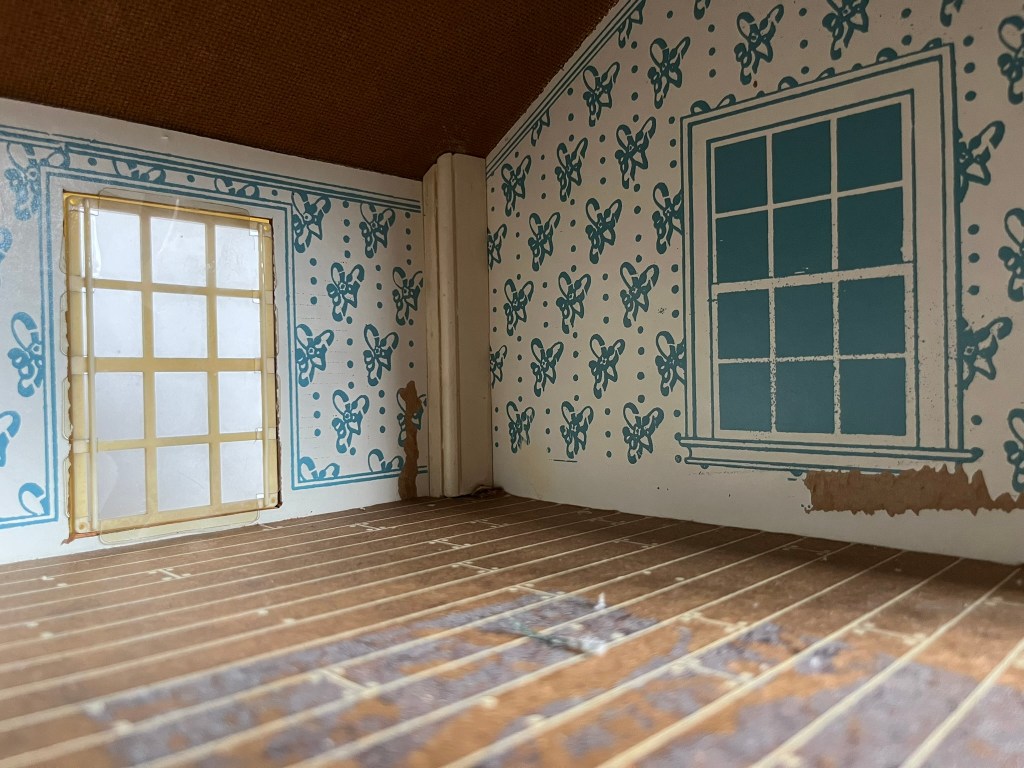
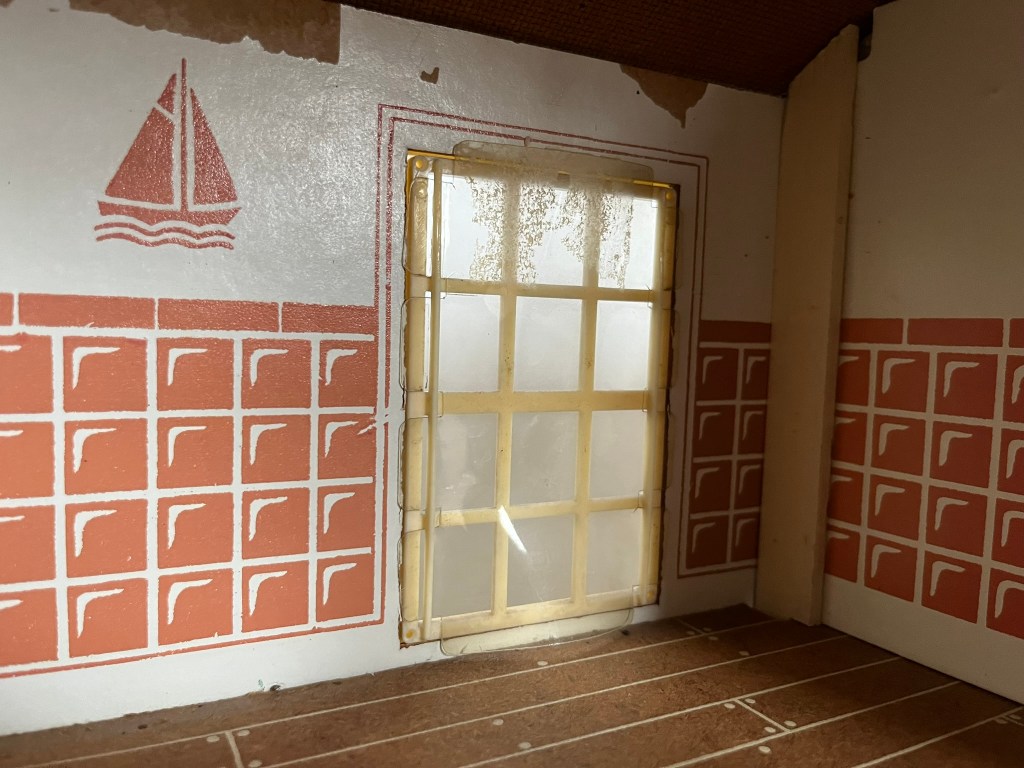
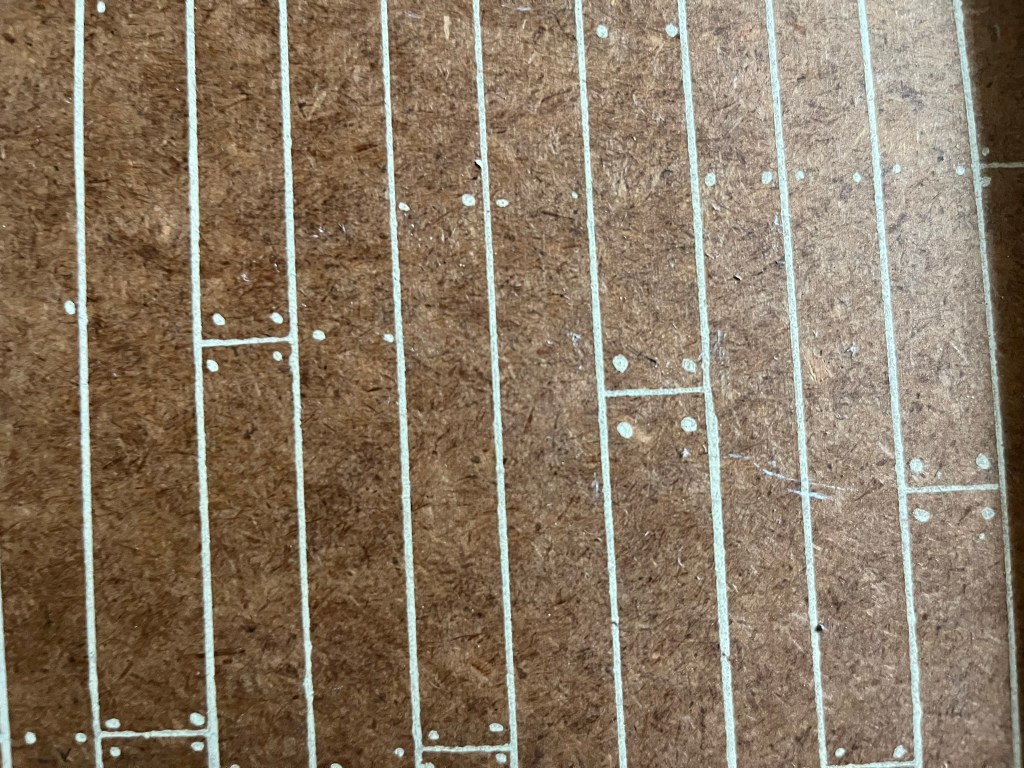
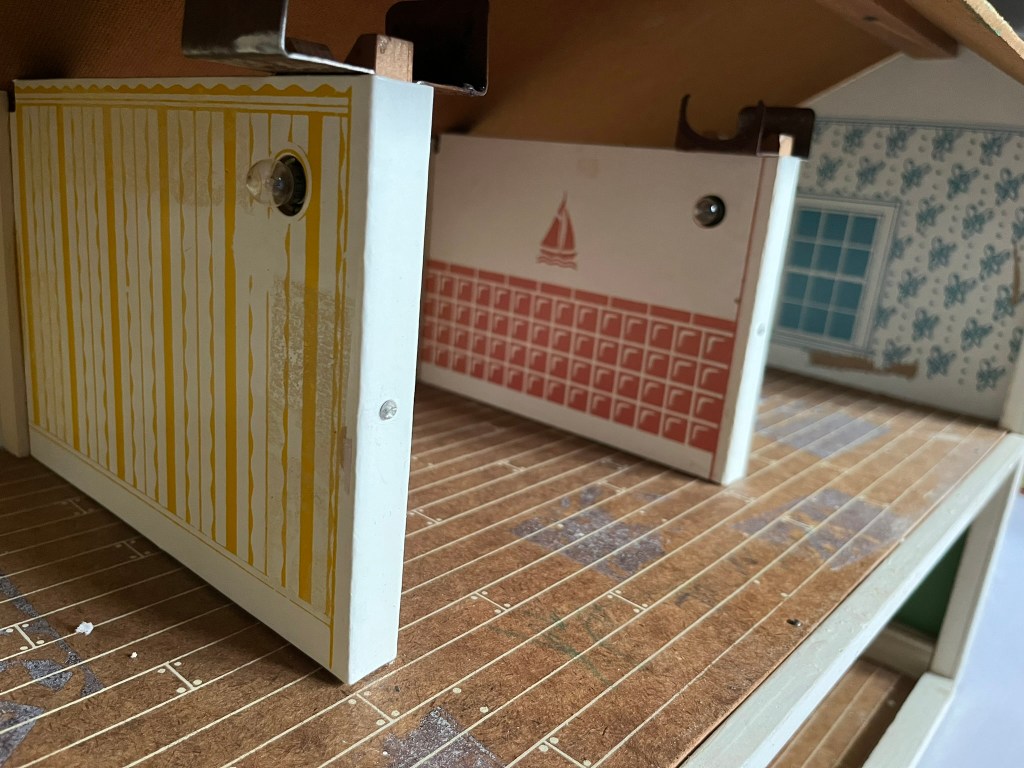
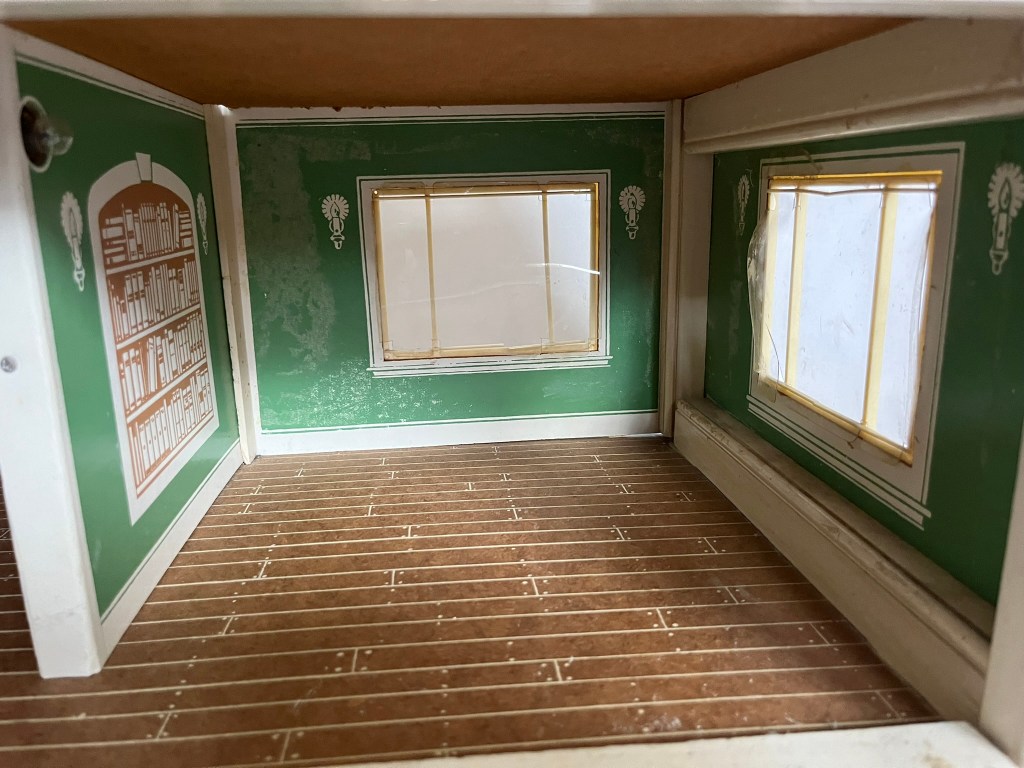
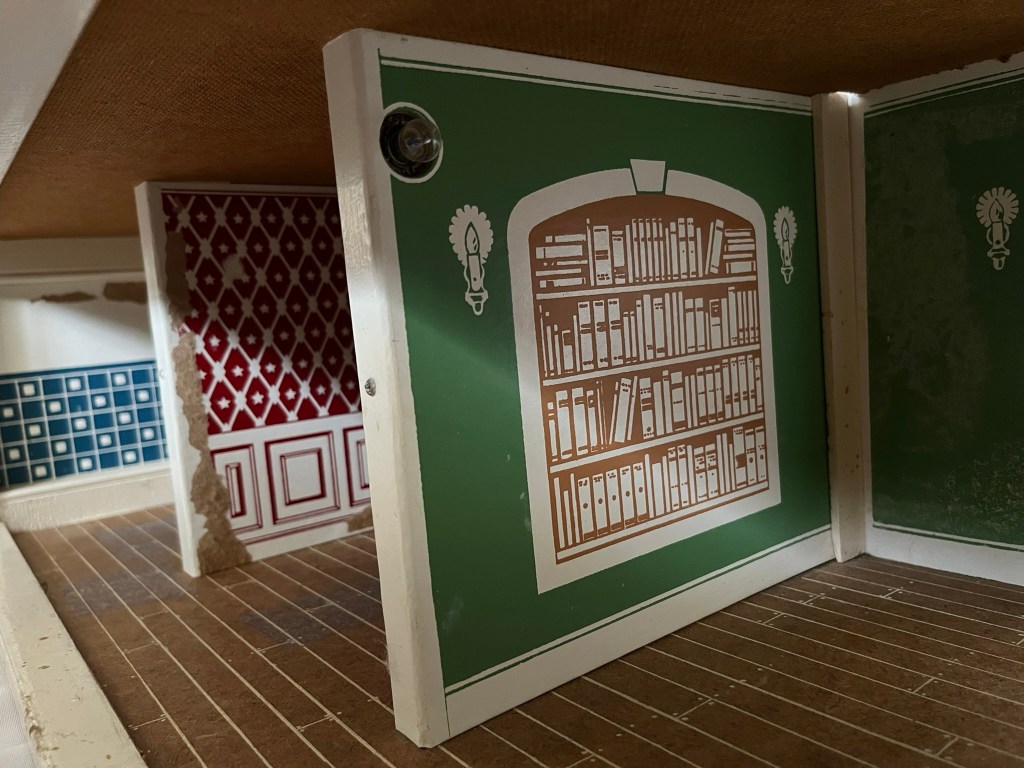
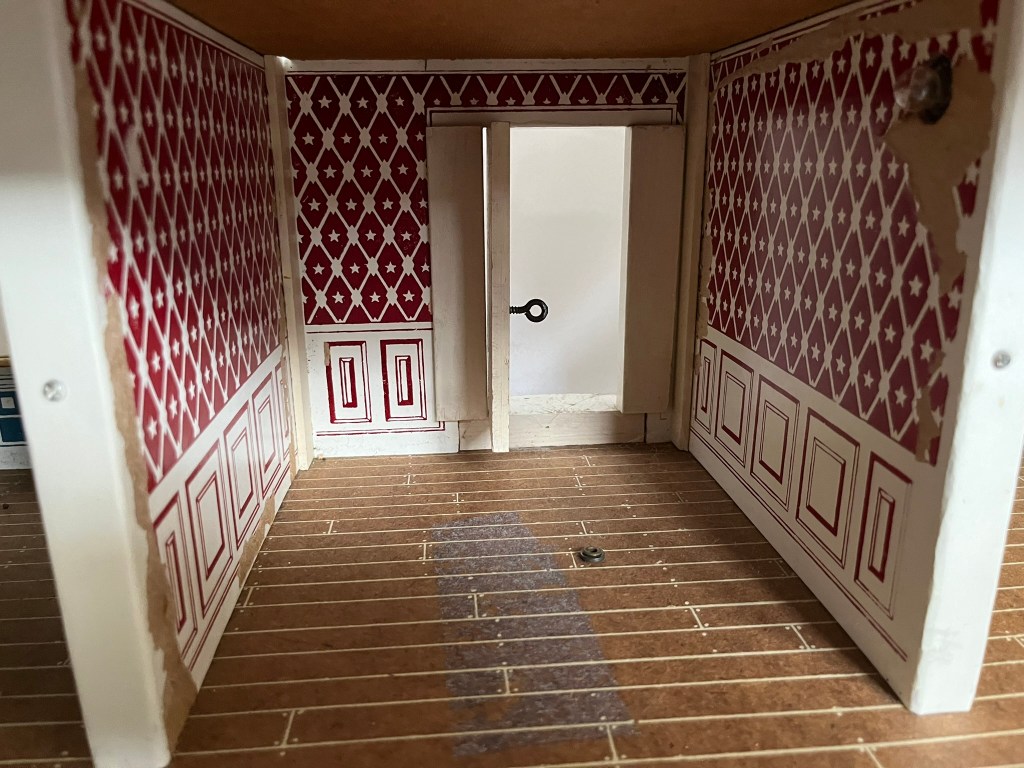
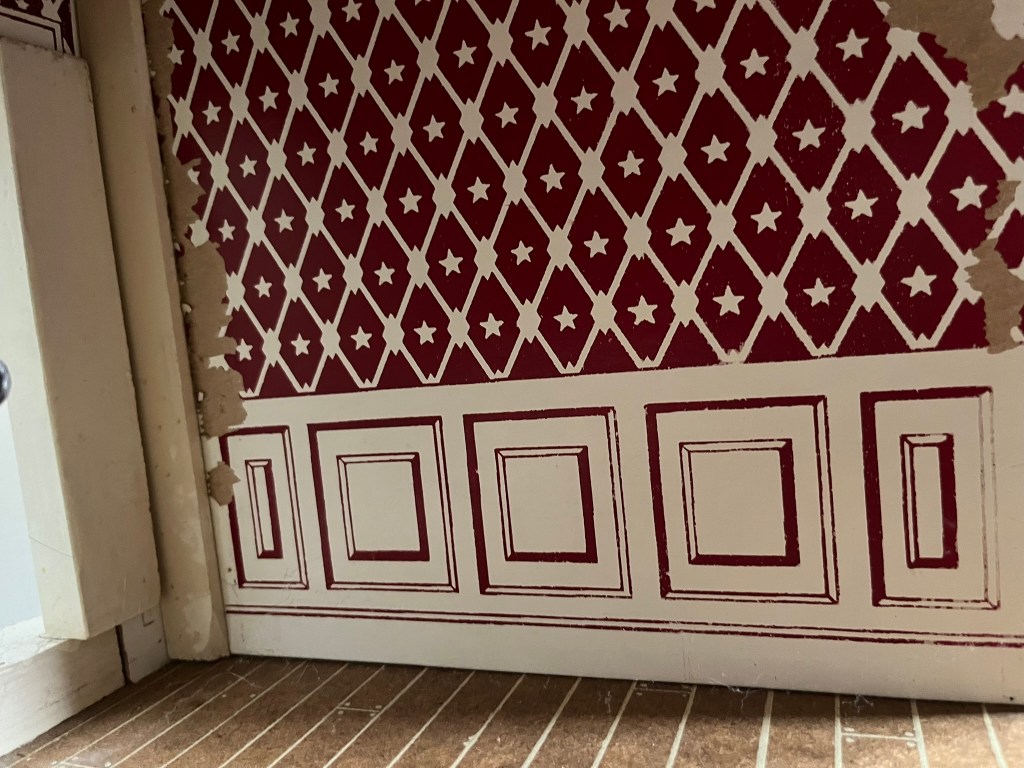
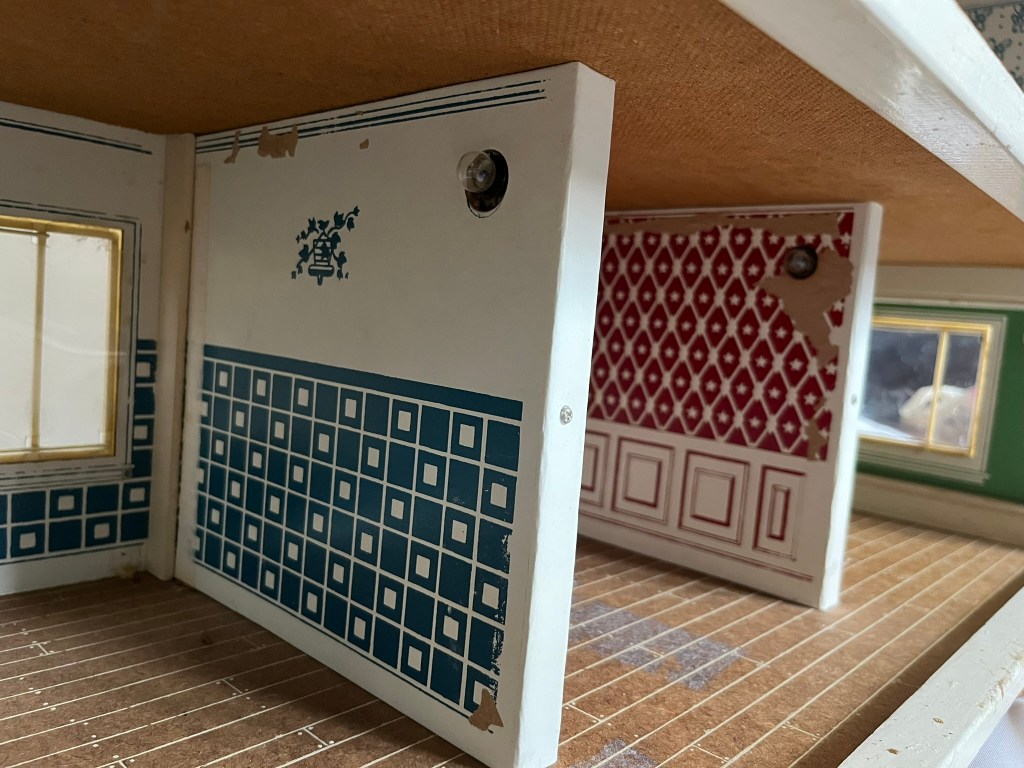
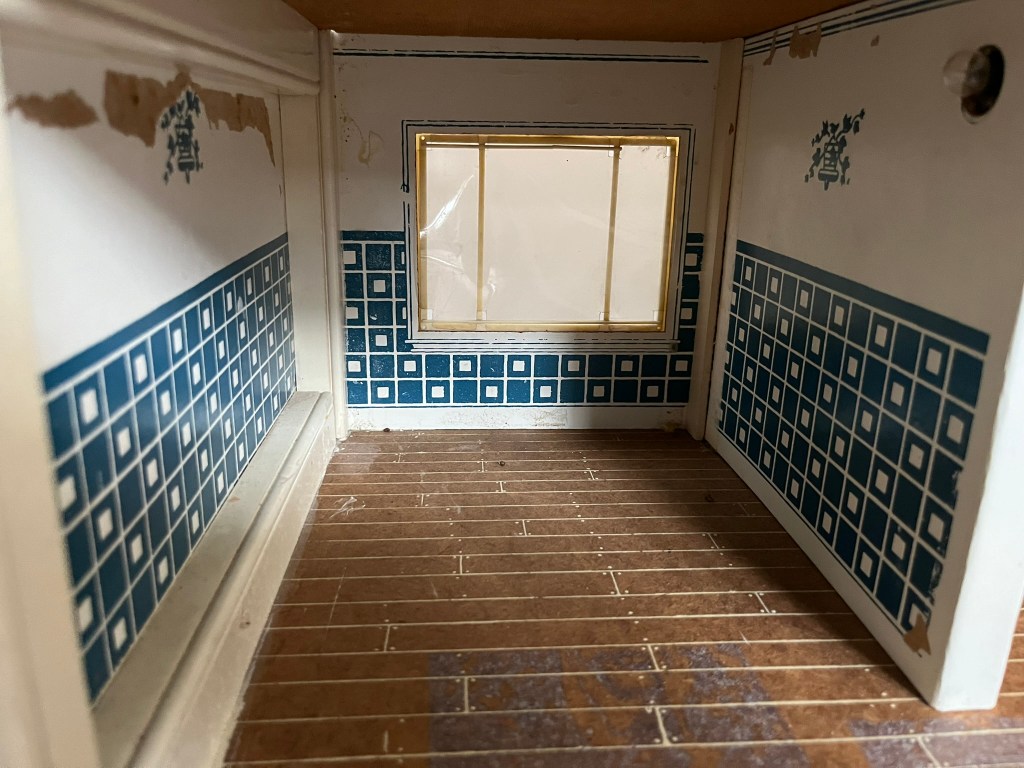
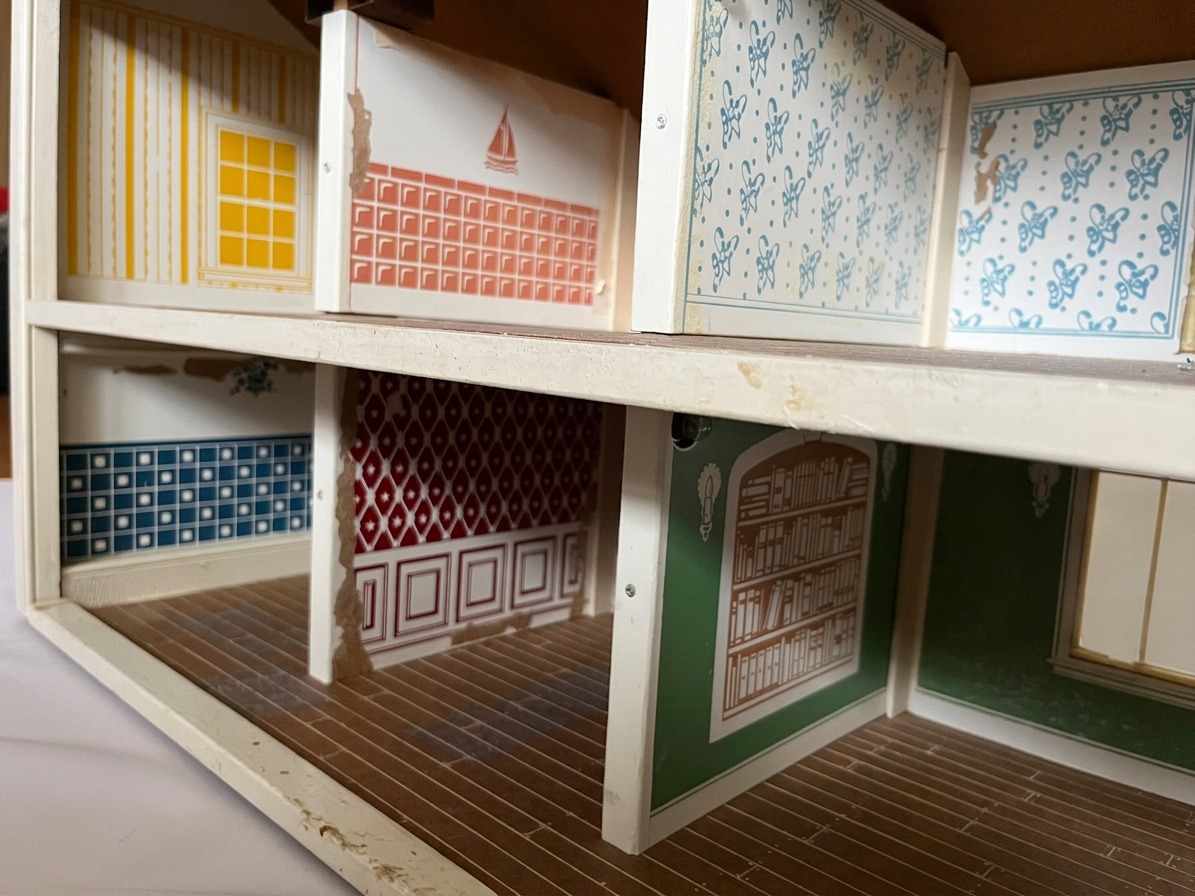
This dollhouse has six rooms arranged across two floors, each with its own decorative wallpaper and simulated hardwood flooring.
And those details! The climbing ivy, flower boxes, twin chimneys, and tiny lanterns beside the front door give this house so much character.
A New Purpose for an Old Dollhouse
Rather than filling the rooms with miniature furniture, I decided to try something different.
Teacups!
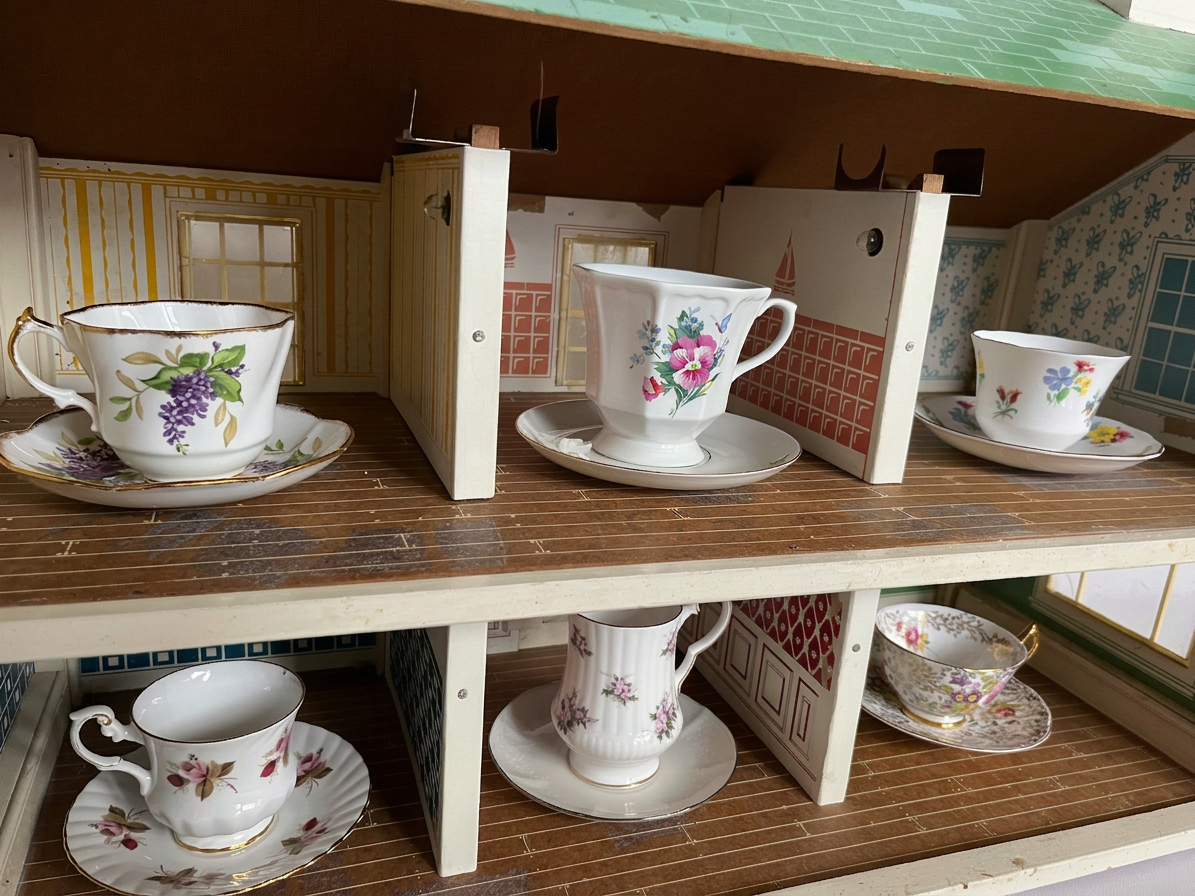
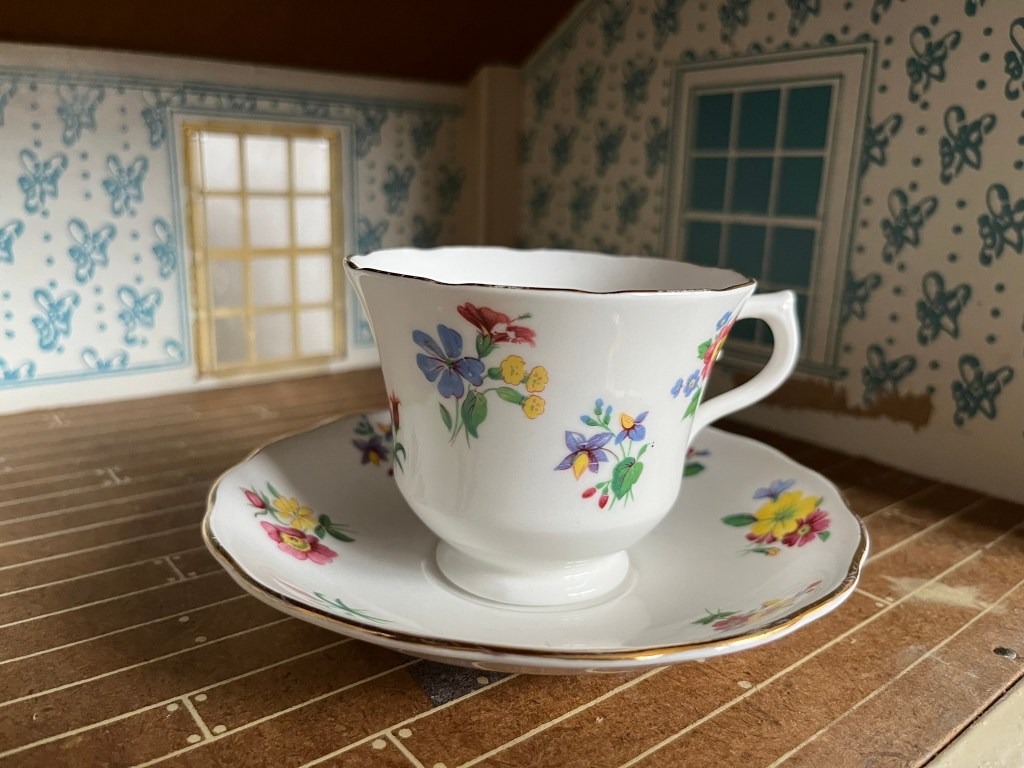
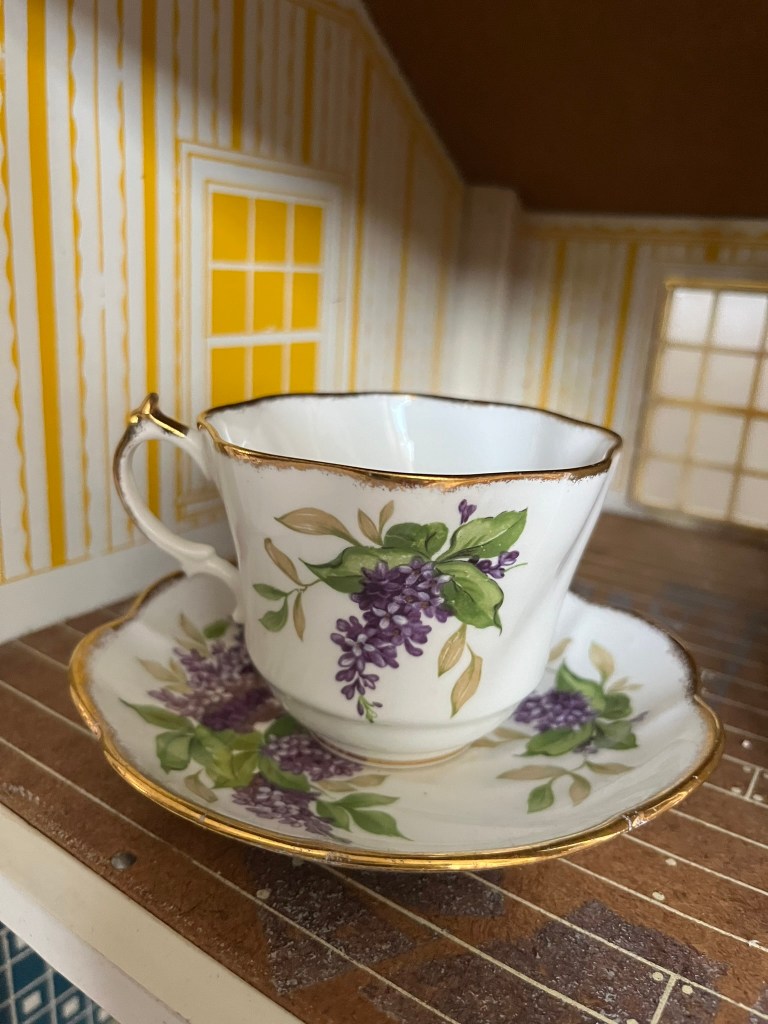
Each room now holds a beautiful vintage floral teacup and saucer.
The delicate porcelain, colorful flowers, and touches of gold complement the dollhouse’s original mid-century interiors surprisingly well.
It’s almost as though each little room has become its own tiny china cabinet!
I especially love how the teacups look against the old wallpaper and wooden floors. There’s something wonderfully nostalgic about combining two vintage treasures in one display.
Preserving a Little Piece of Childhood
More than seventy years after it was made, this Keystone dollhouse is still finding ways to bring joy.
Once a child’s miniature dream home, it has become a charming display for another collection I treasure.
That’s one of the things I love most about vintage dollhouses. They don’t have to remain exactly as they were originally used to continue being appreciated.
Sometimes, giving an old treasure a new purpose is another way of keeping its story alive.
After all, every dollhouse deserves a second life—even if that life comes with a cup of tea!
More photos of this Colonial Revival architecture – click HERE!


