HERE’S THE VIDEO! CLICK HERE
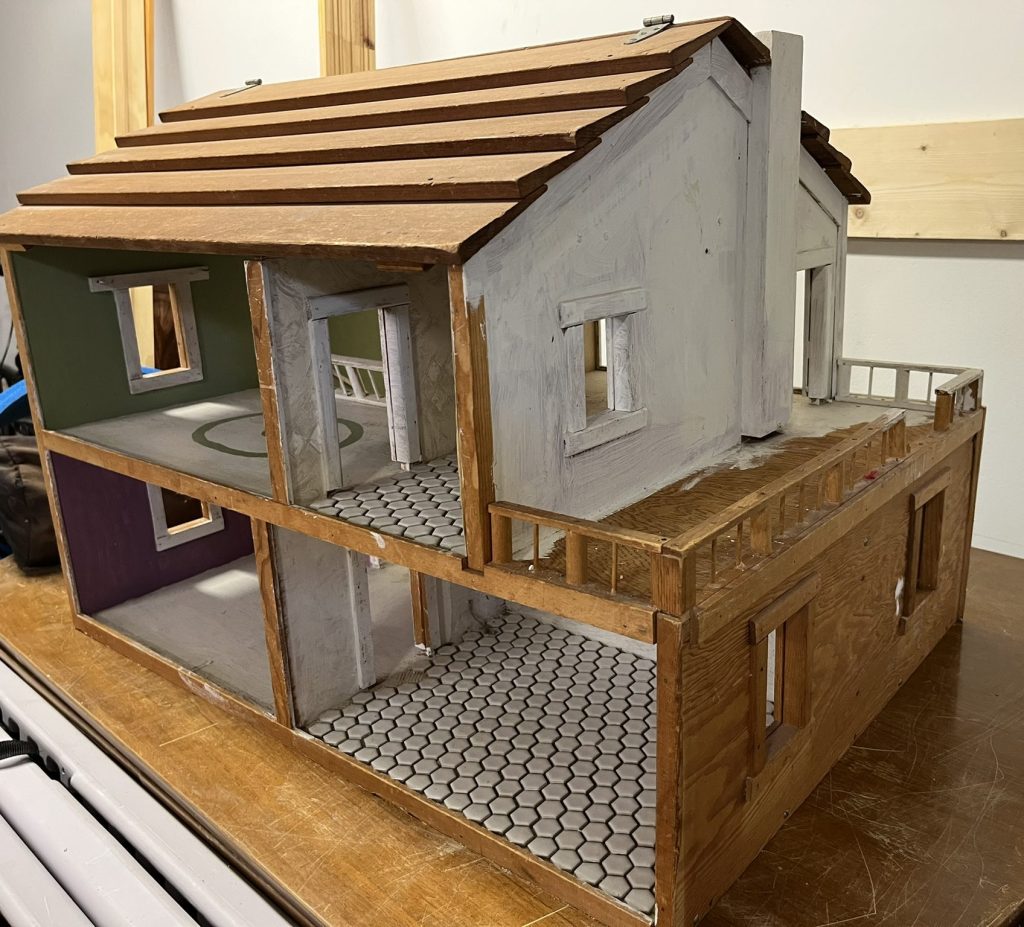
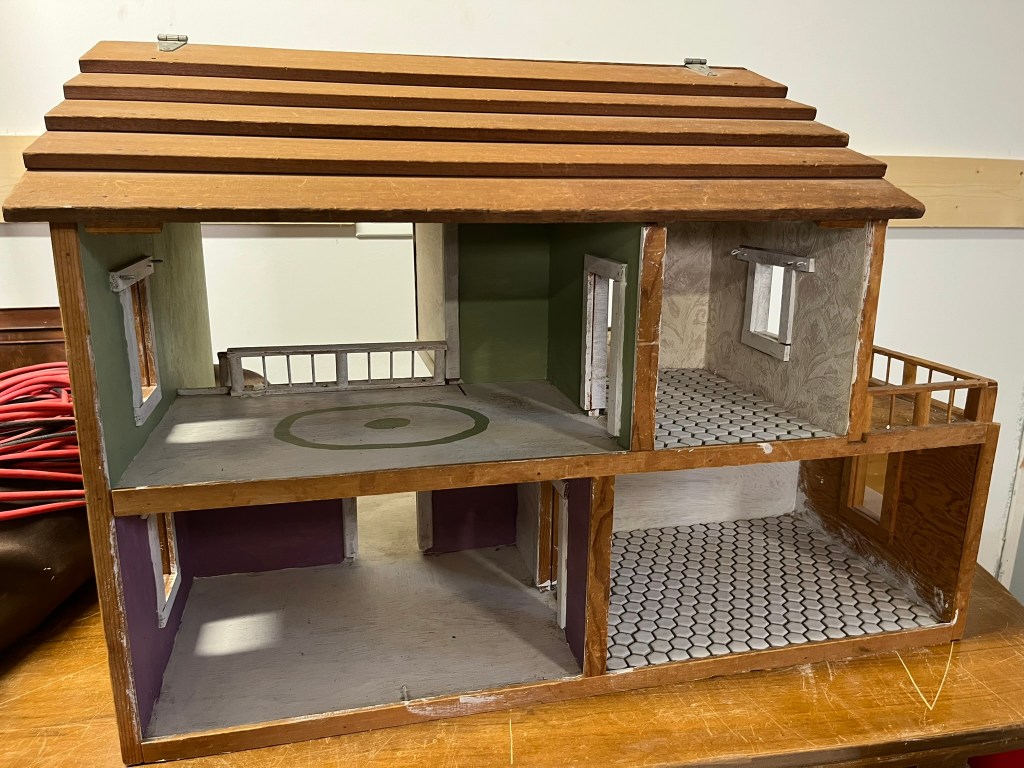
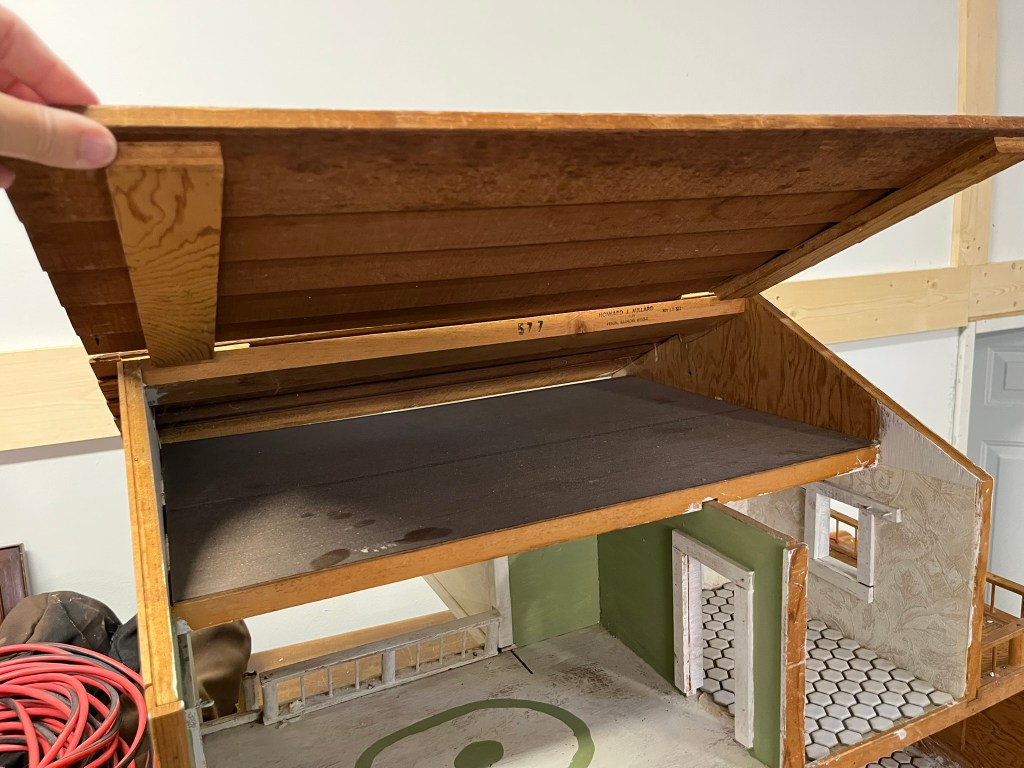
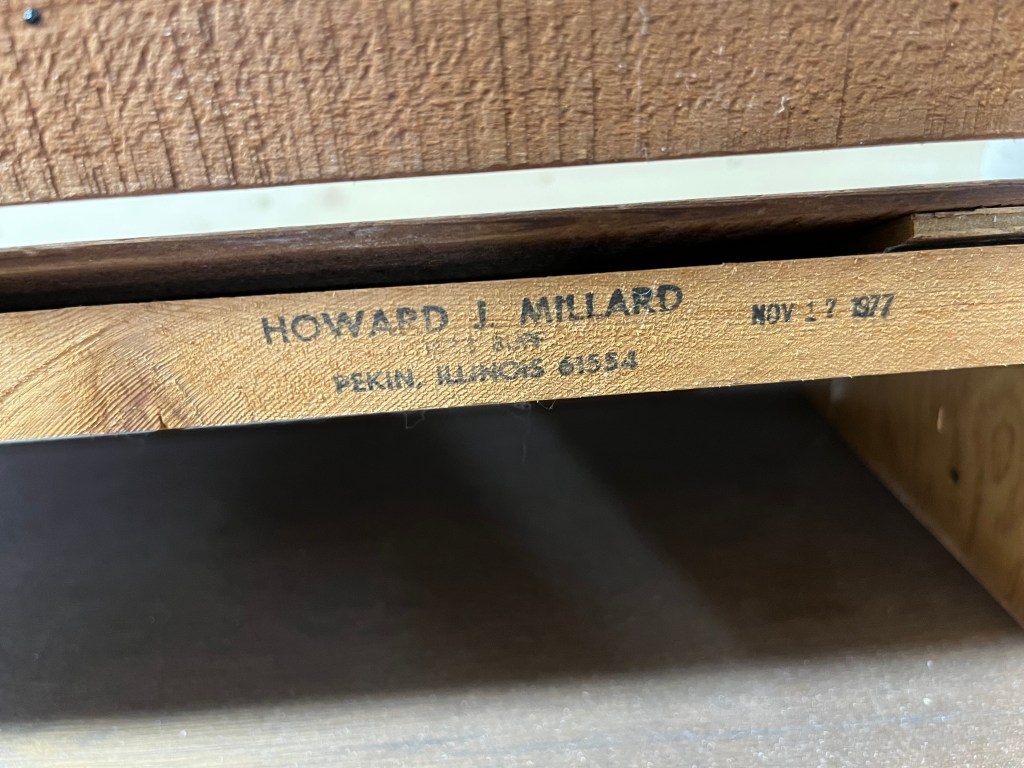
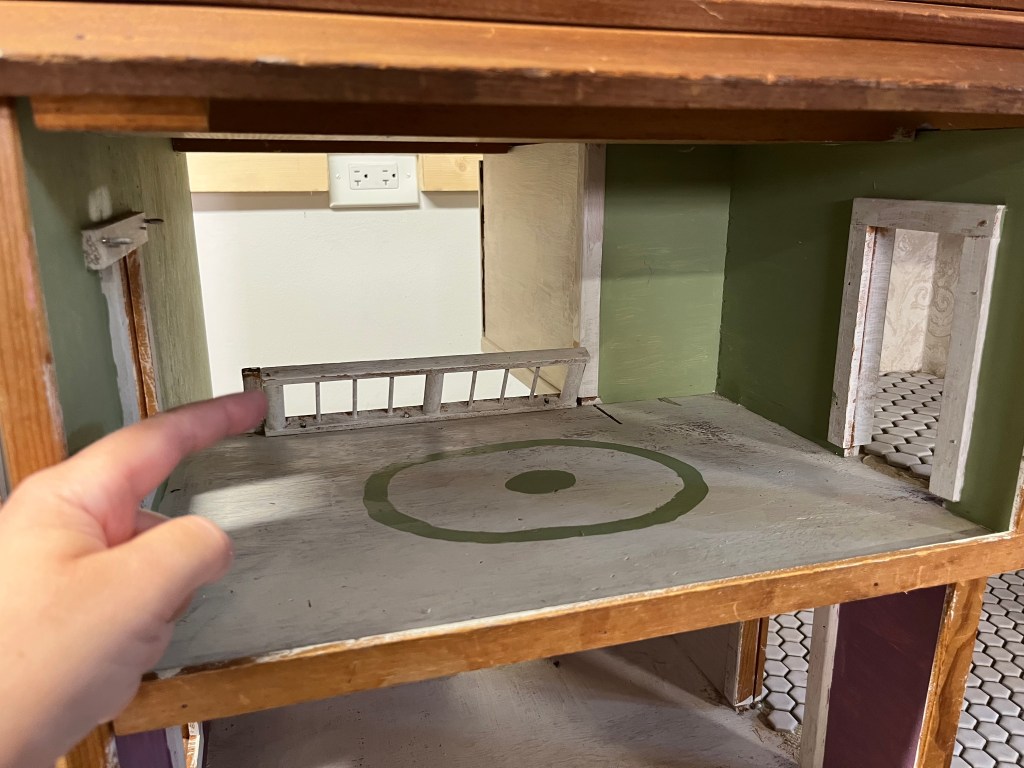
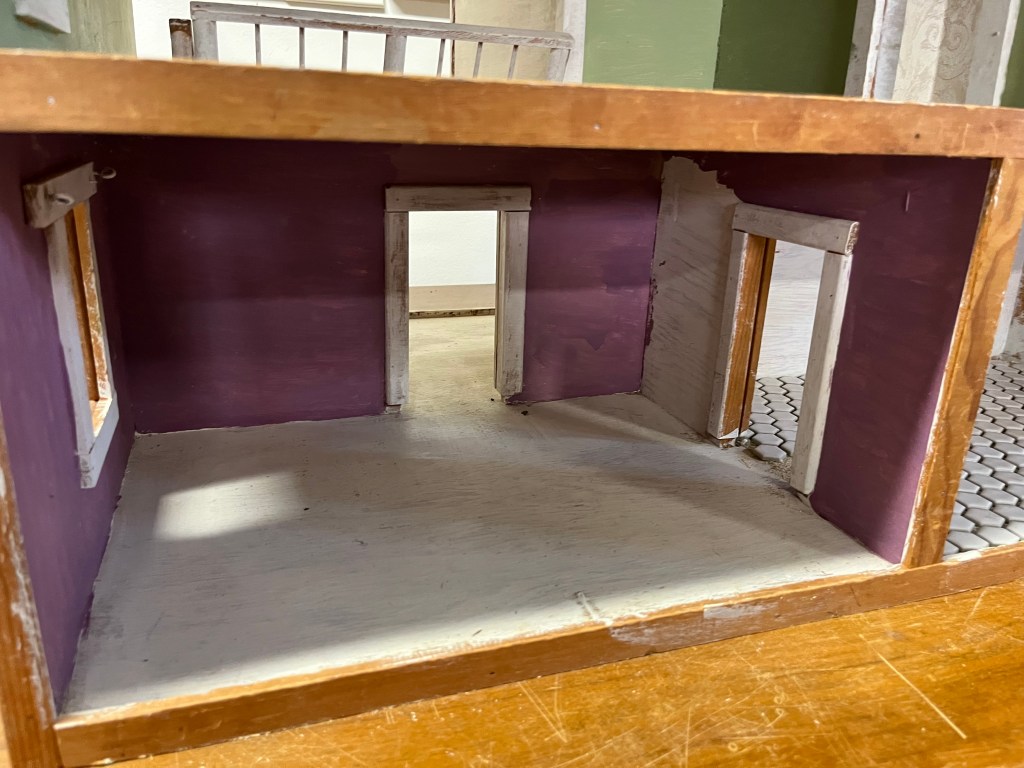
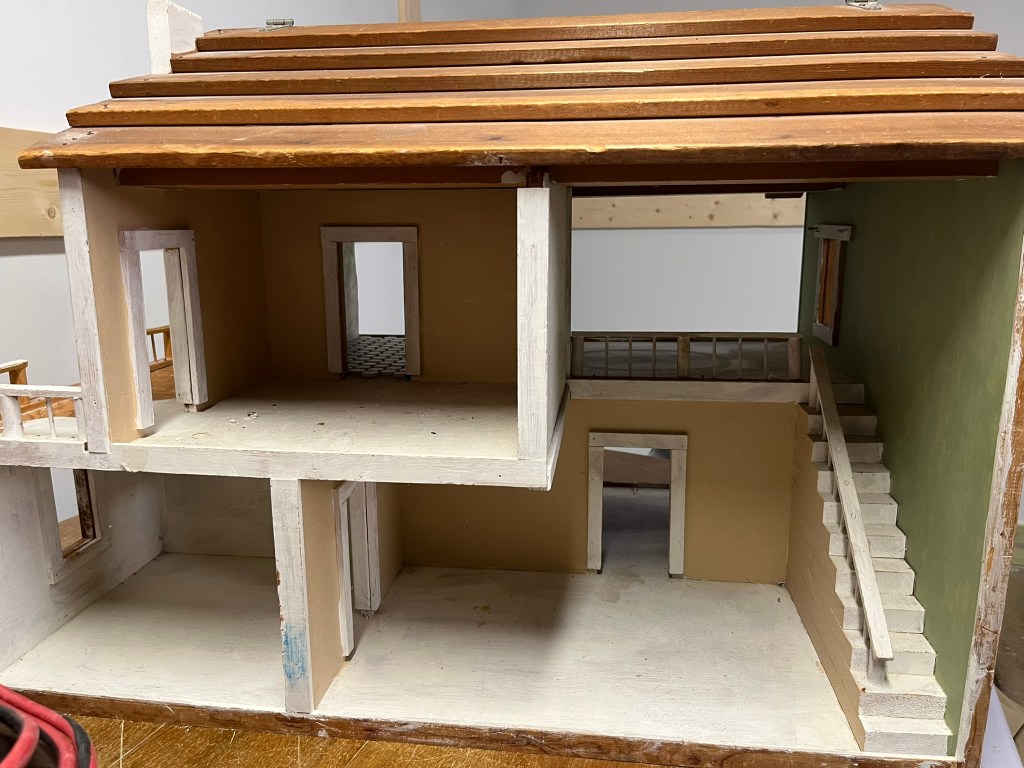
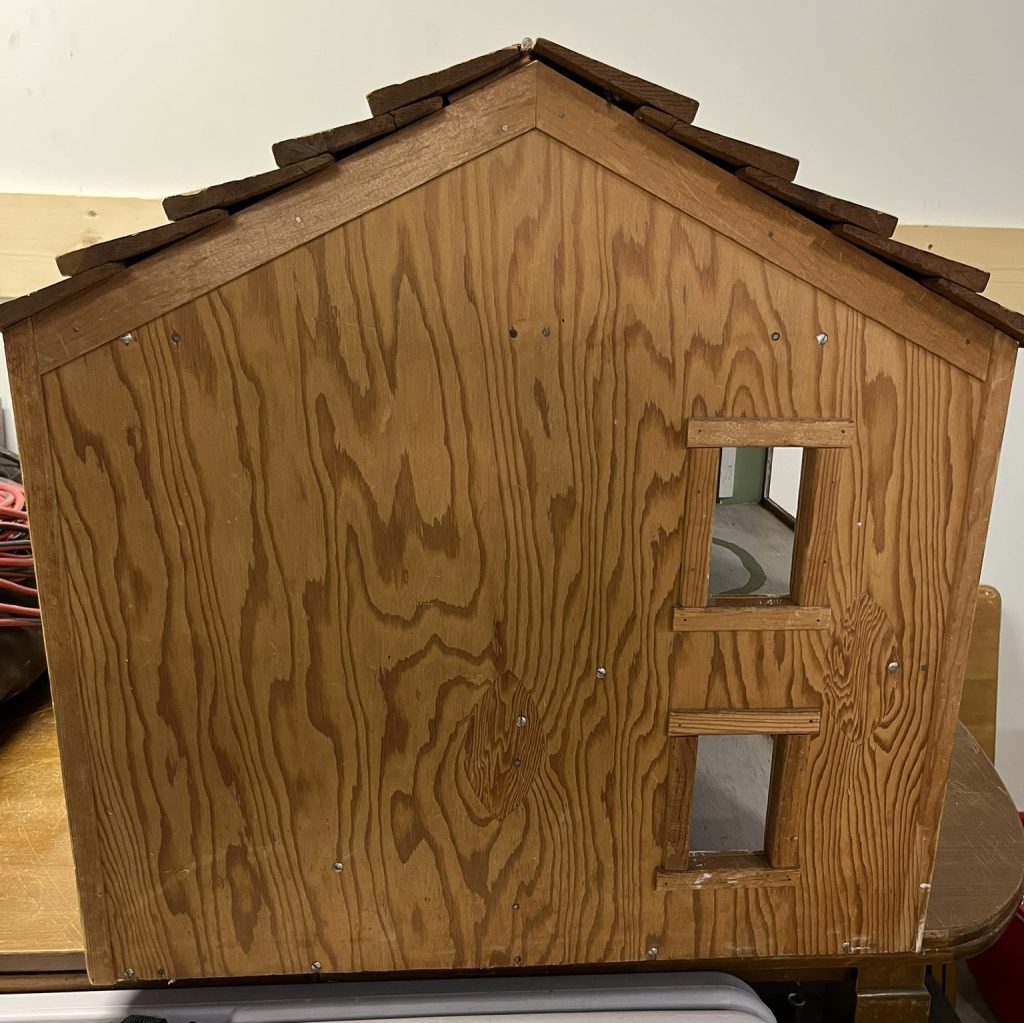
I found this beautiful vintage dollhouse for free – and I plan on giving it a makeover. Just discovered who built it after I lifted the roof yet reached out to his family online.
Vintage Dollhouses, Miniatures & the Stories Behind Them
HERE’S THE VIDEO! CLICK HERE
I found this beautiful vintage dollhouse for free – and I plan on giving it a makeover. Just discovered who built it after I lifted the roof yet reached out to his family online.
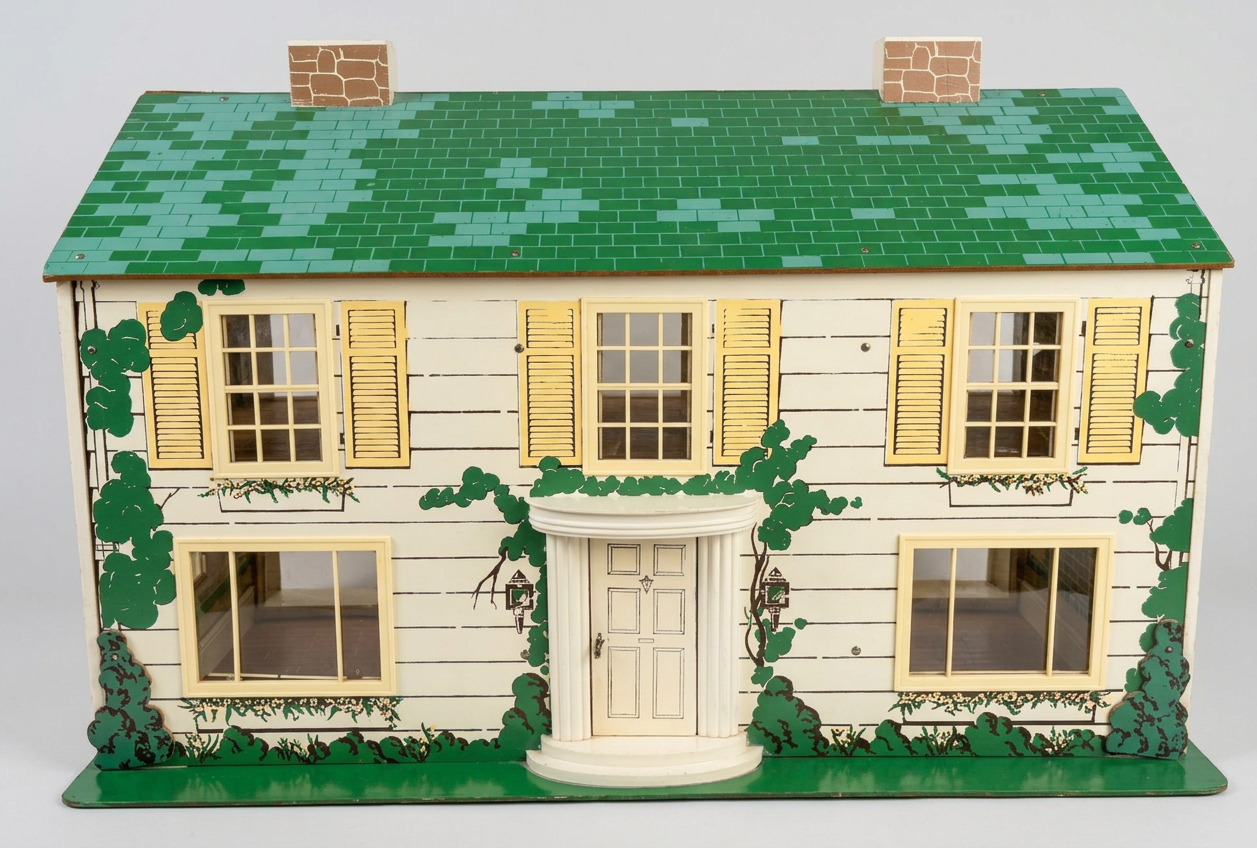
Keystone Manufacturing Company of Boston, Massachusetts around 1950
Approx. 36 inches wide, 15 inches deep, and 27 inches tall
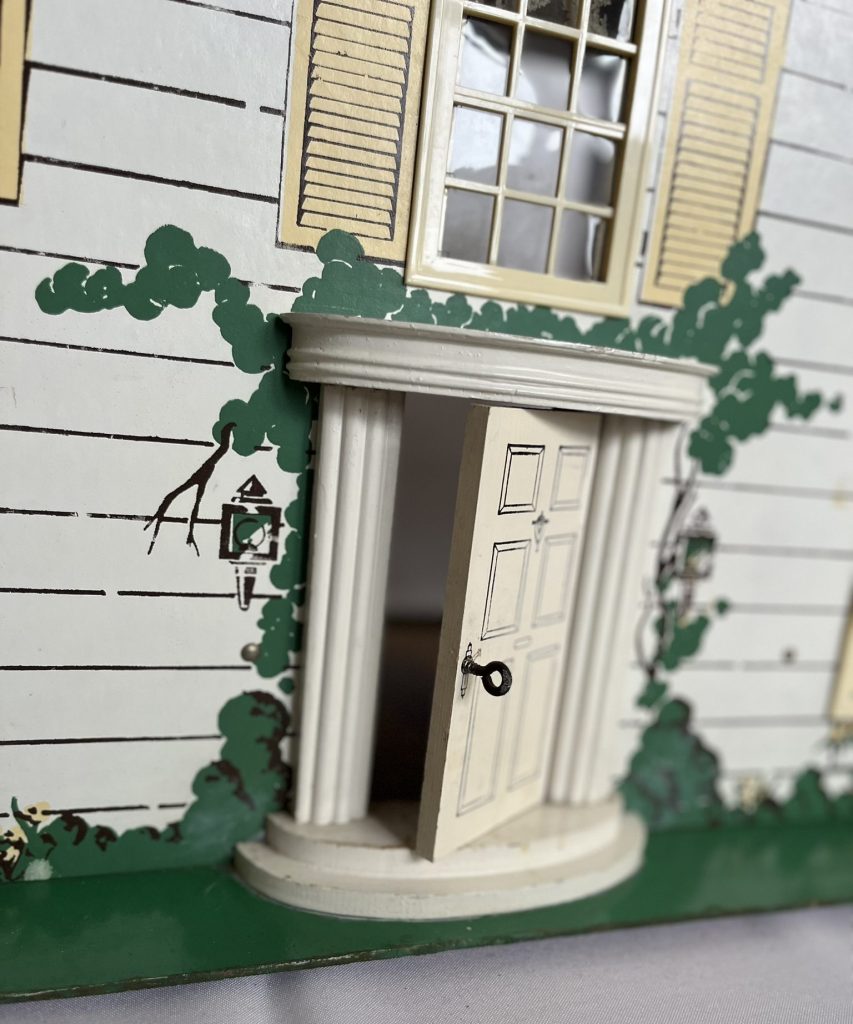
Colonial Revival architecture with a symmetrical two-story façade.
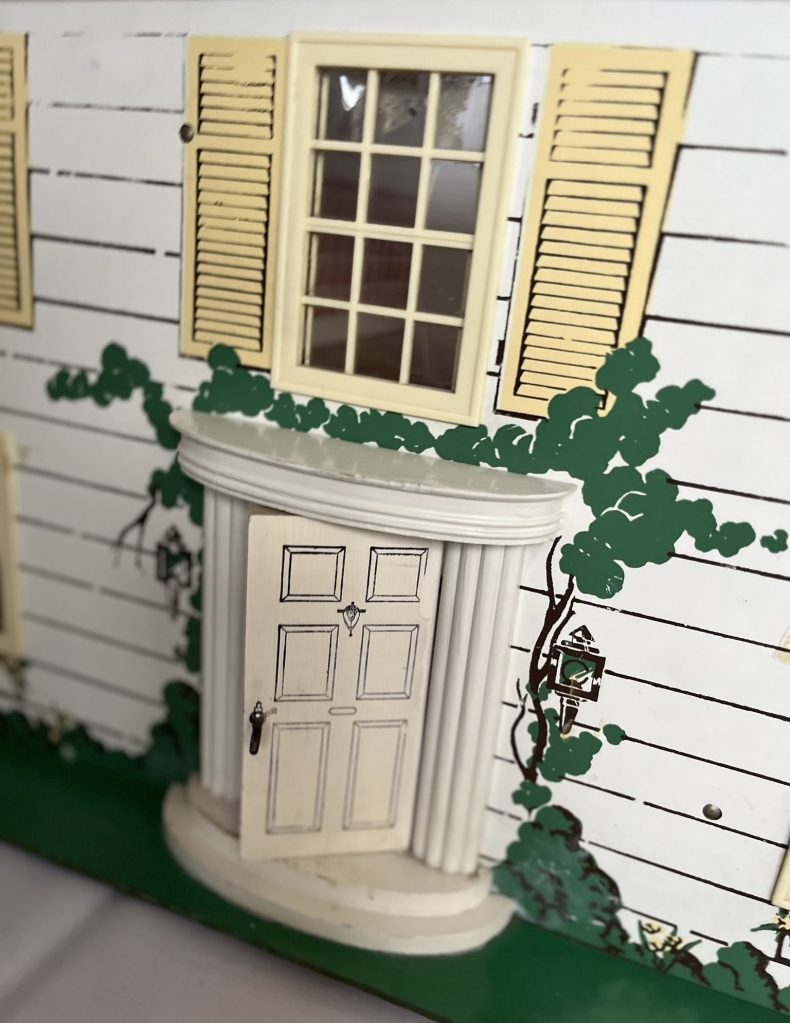
Grand entrance with classical columns and a curved portico.
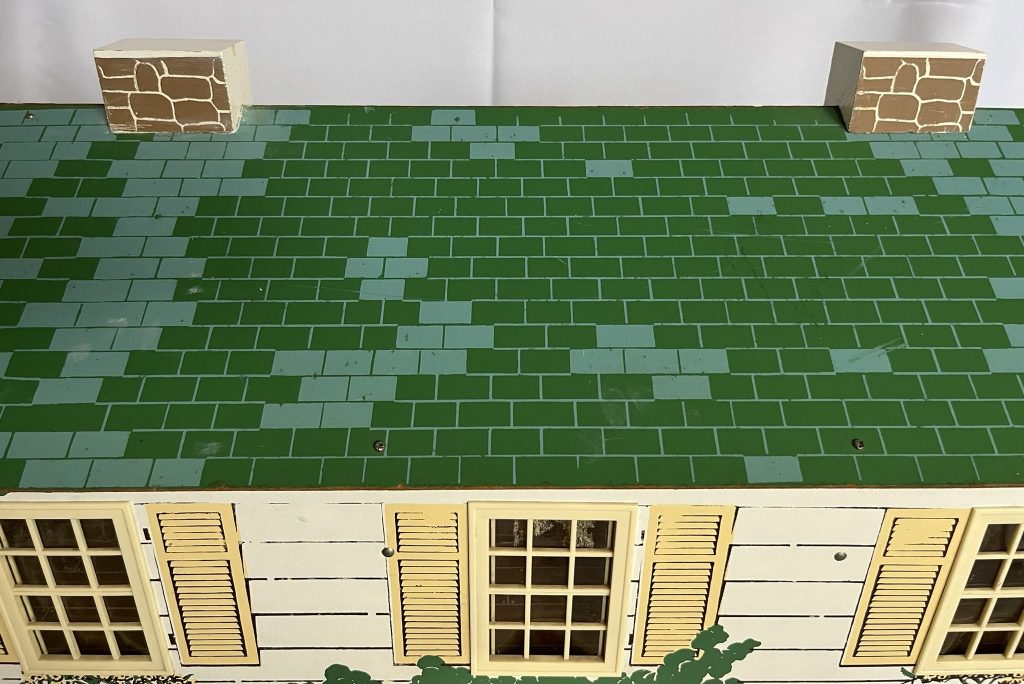
Five front windows with shutters, suggesting a spacious home.
Two chimneys, giving the impression of multiple fireplaces.
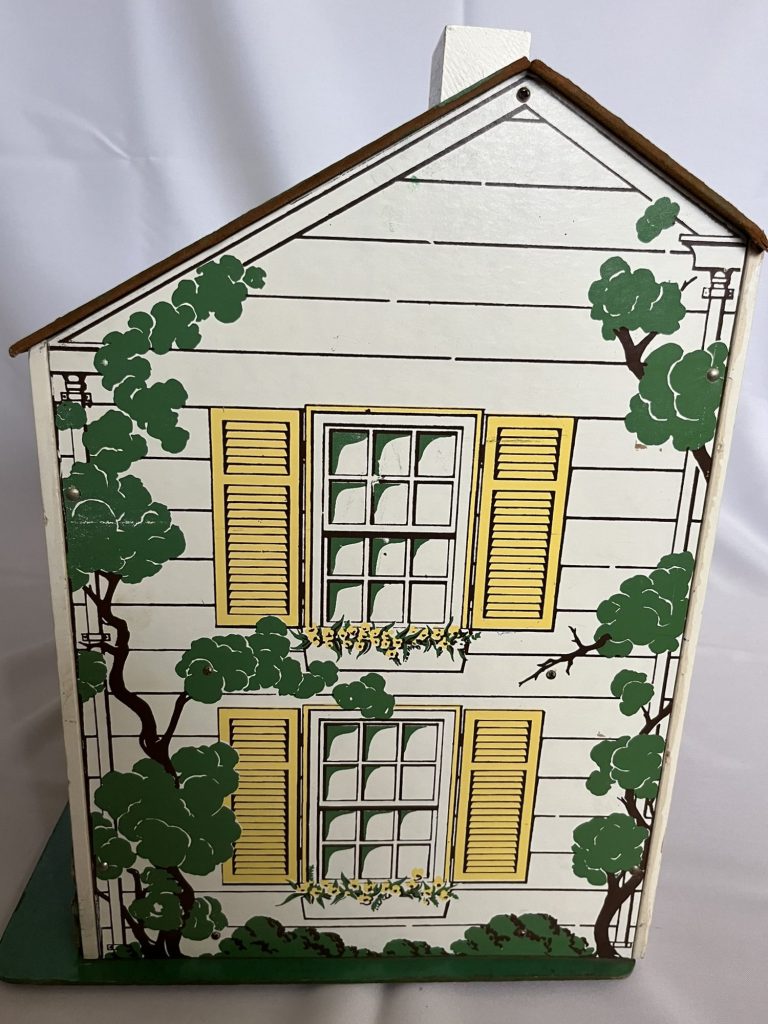
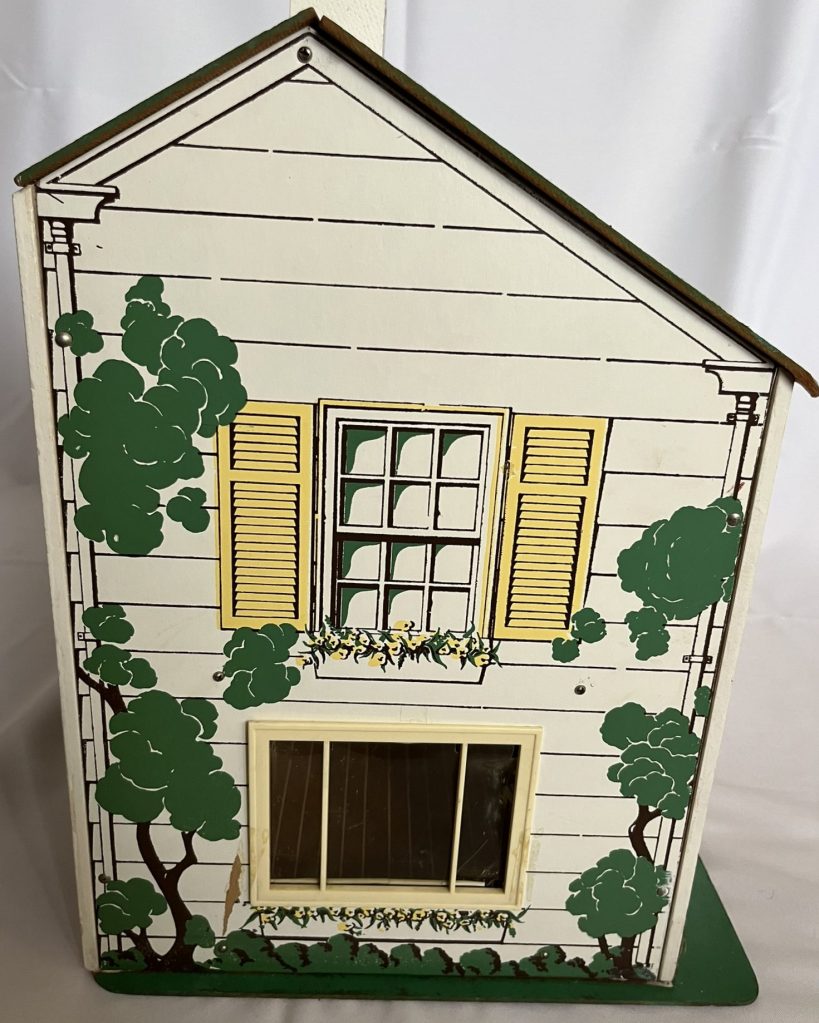
Formal landscaping with climbing ivy and window boxes.
Who says dollhouses are just for dolls?
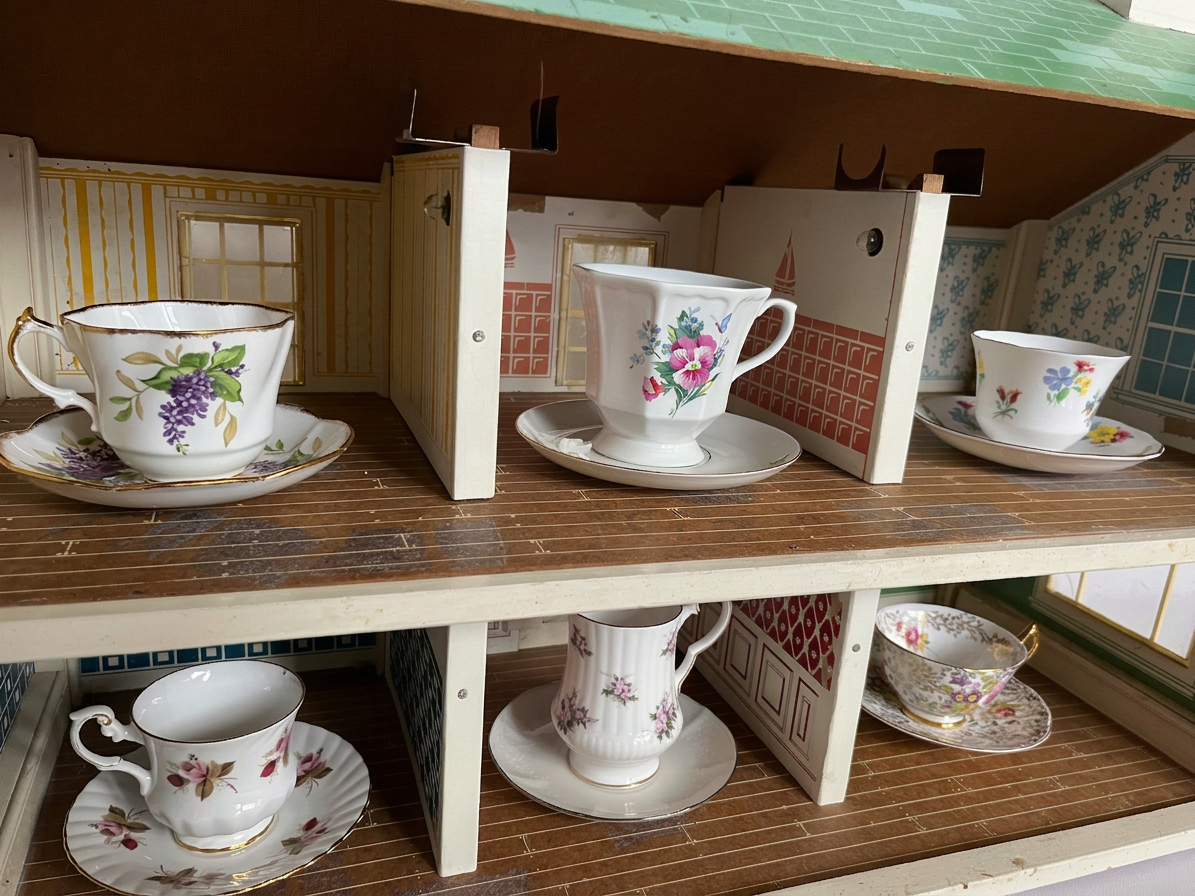
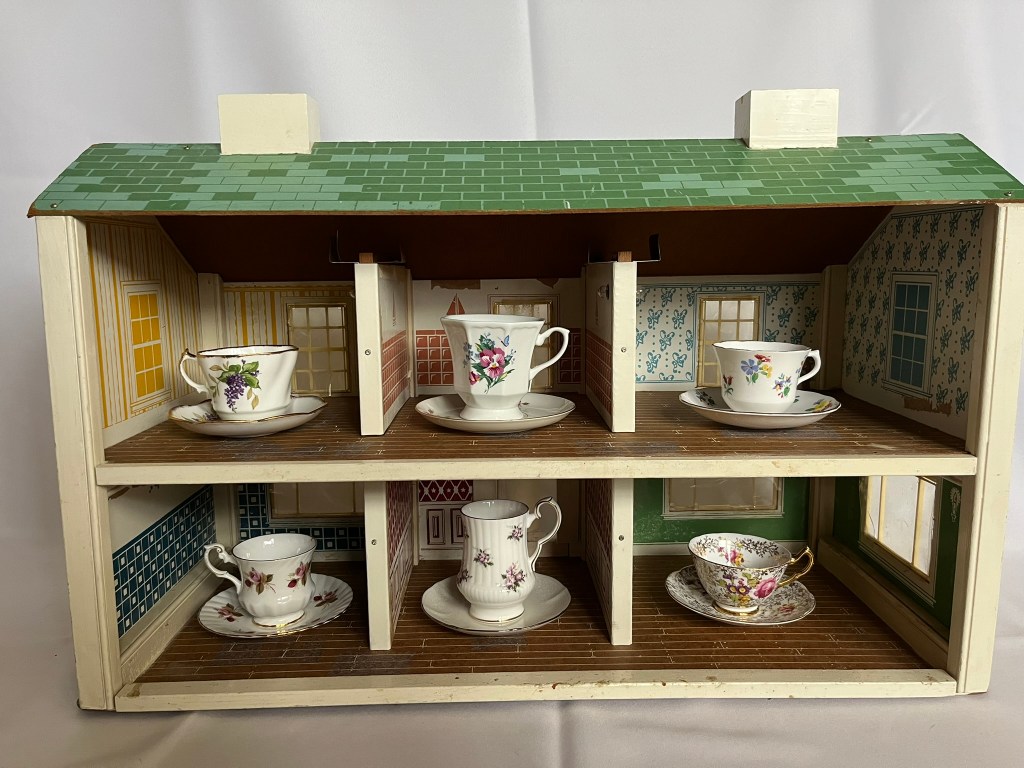
Sometimes, they make the perfect home for something entirely different—like my vintage teacup collection!
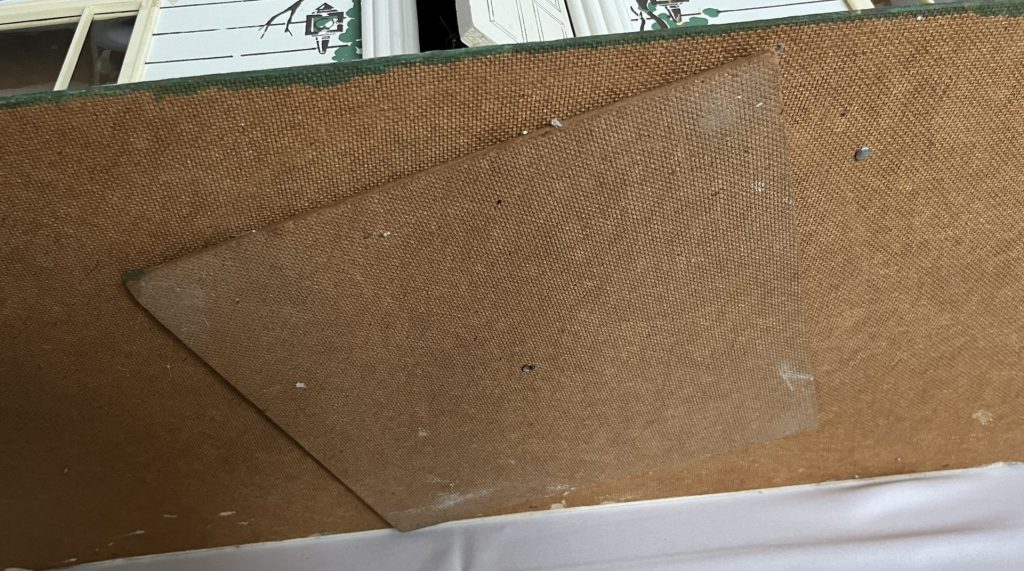
This charming Colonial-style dollhouse was made by the Keystone Manufacturing Company of Boston, Massachusetts, around 1950. The material is hardboard, also commonly called Masonite.
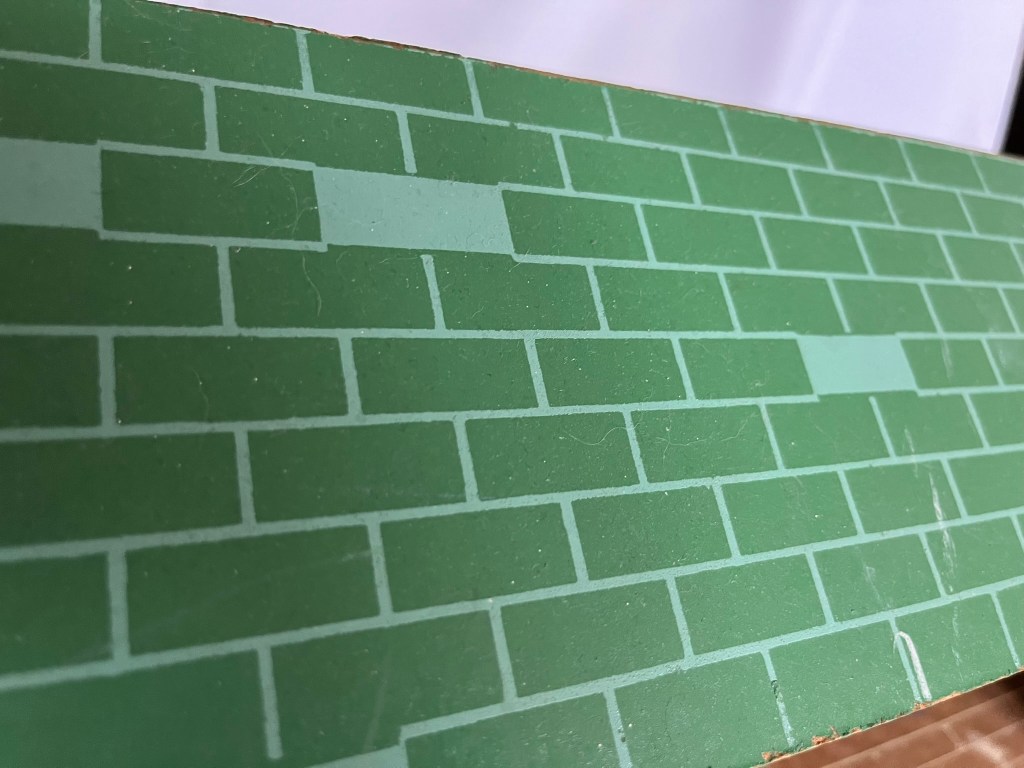
With its green shingled roof, buttery-yellow shutters, white clapboard siding, and grand entrance framed by classical columns, it looks like a miniature version of an elegant American suburban home.
I couldn’t help wondering whether a little girl from a wealthy family might have found one of these beneath her Christmas tree!
Keystone Manufacturing Company began producing dollhouses in the 1930s and became known for its beautifully decorated wooden and Masonite houses.
By the 1950s, Keystone was creating miniature homes with realistic architectural features, colorful printed interiors, and charming details that reflected American residential design.
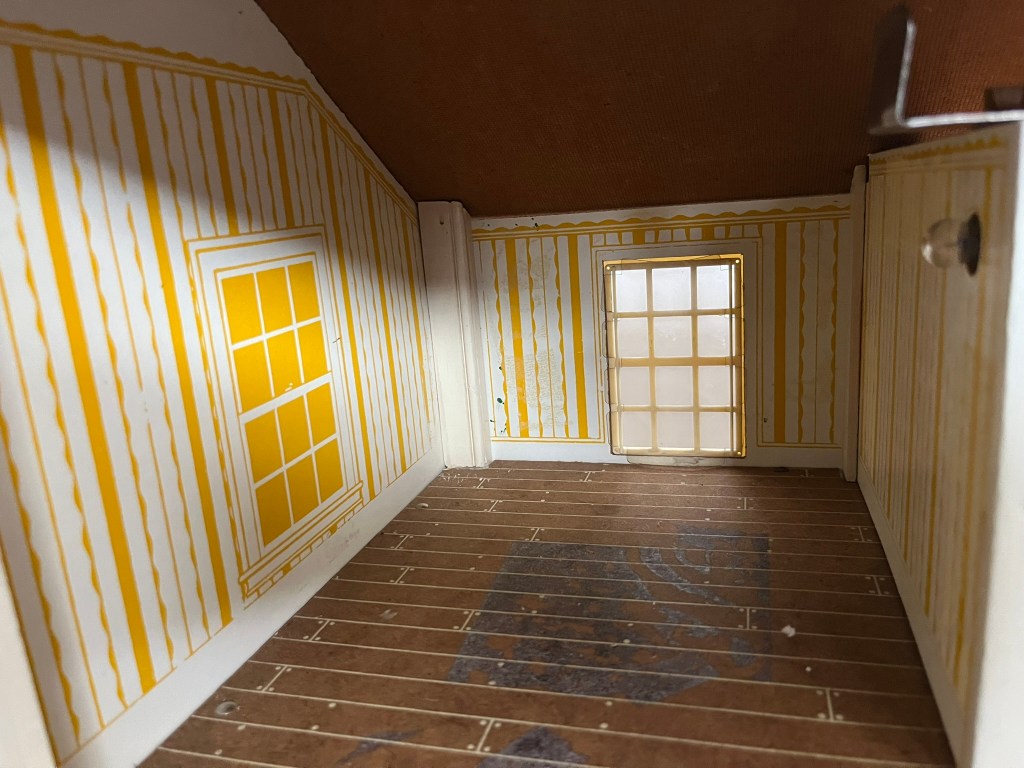
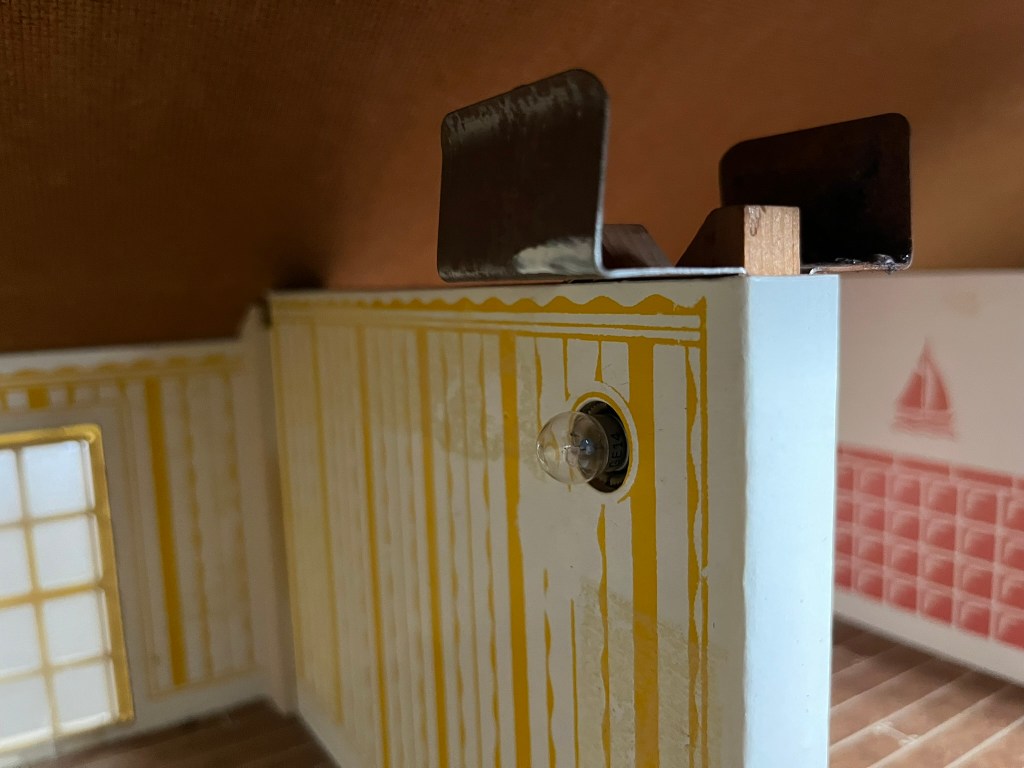
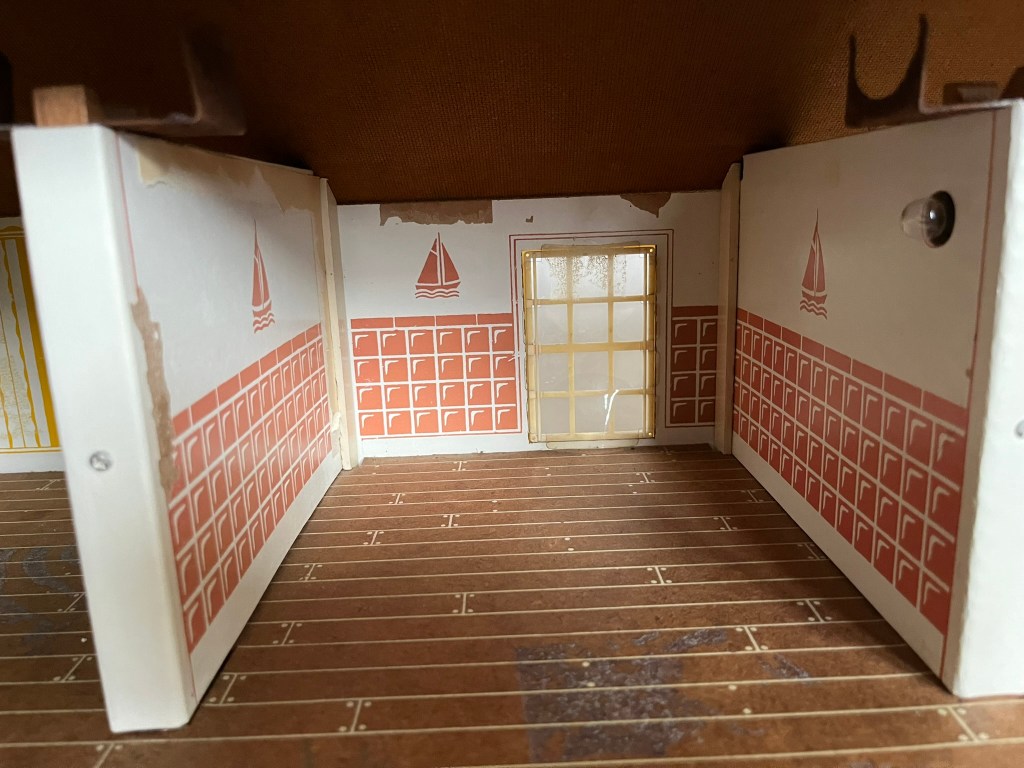
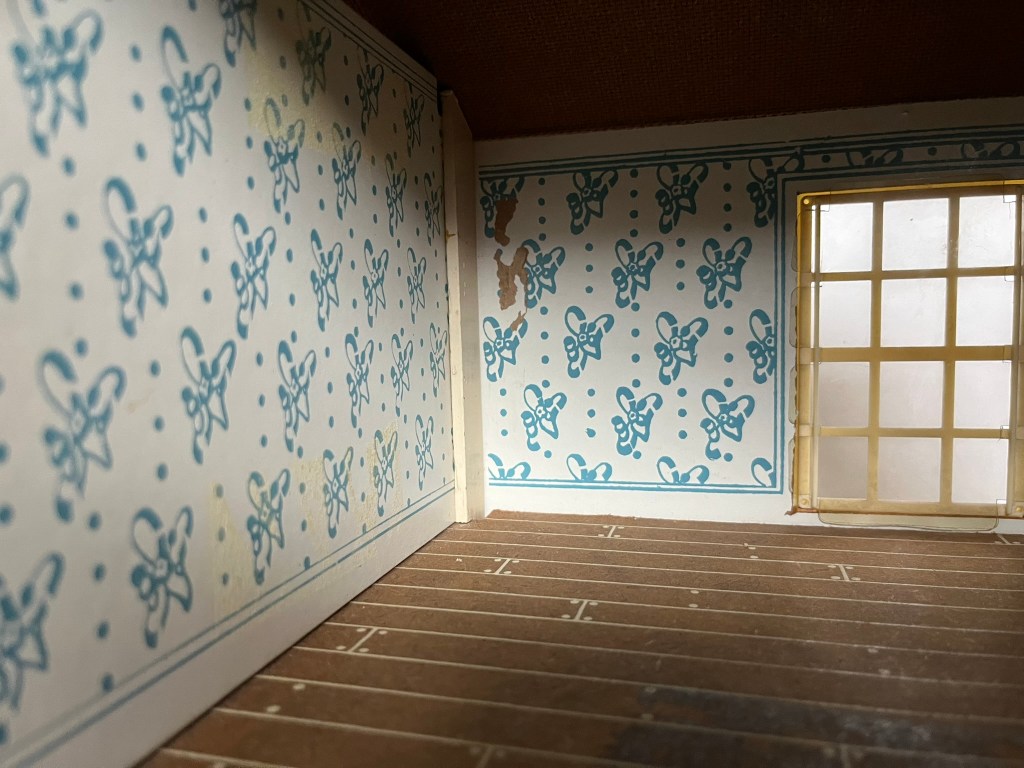
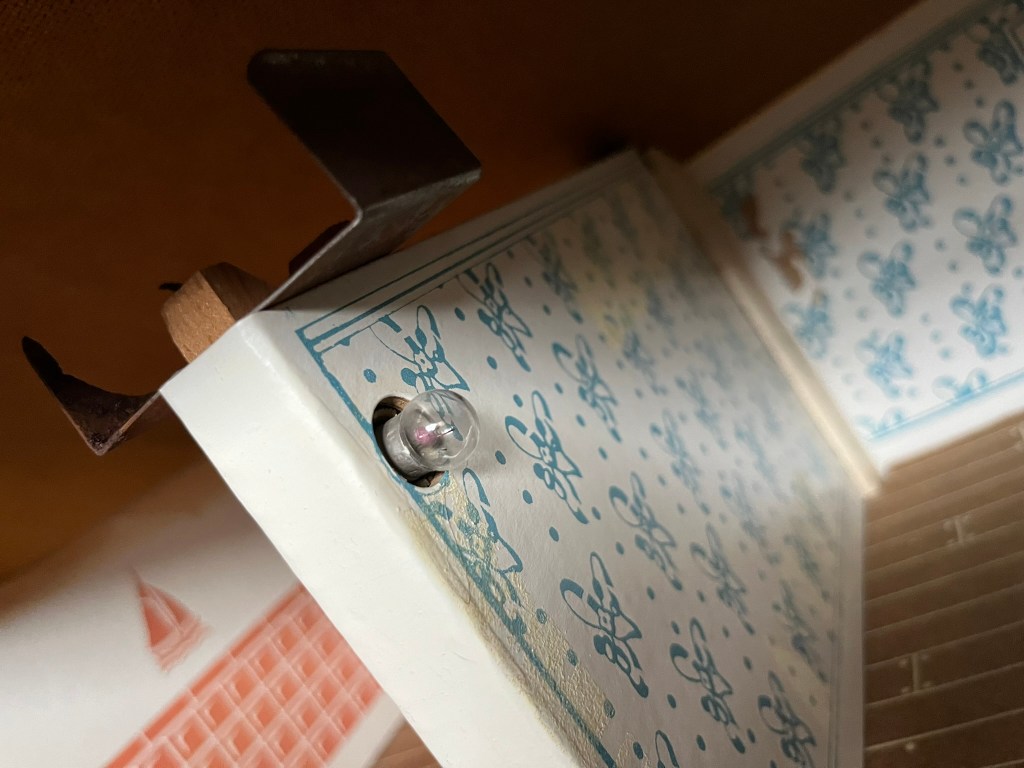
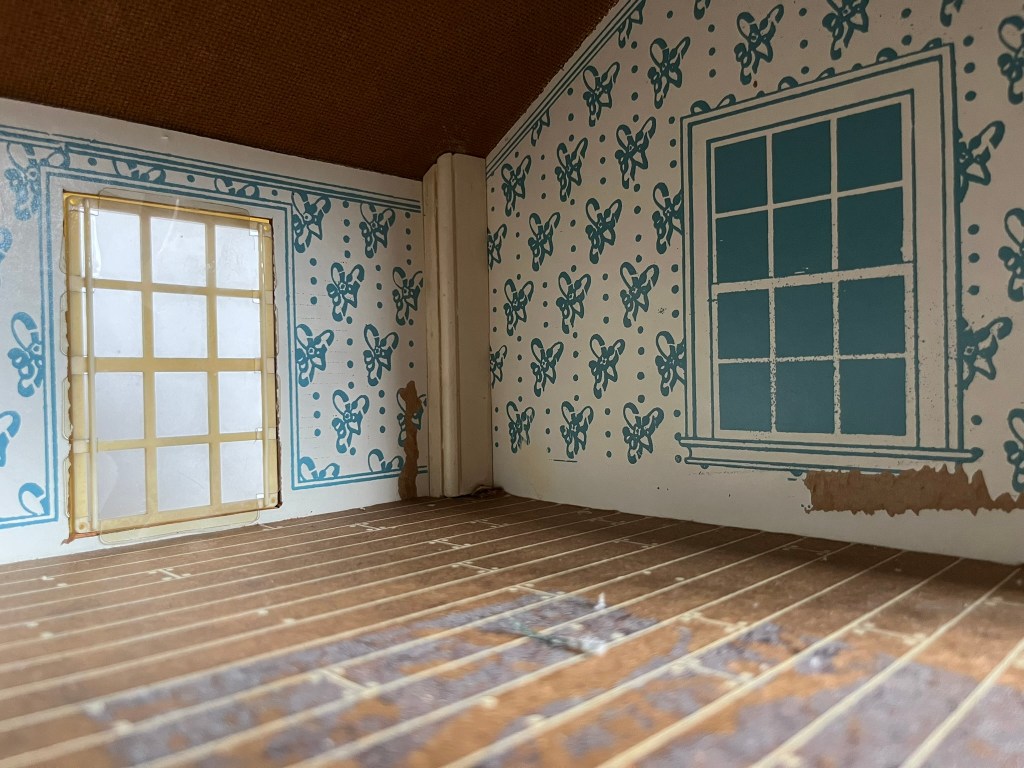
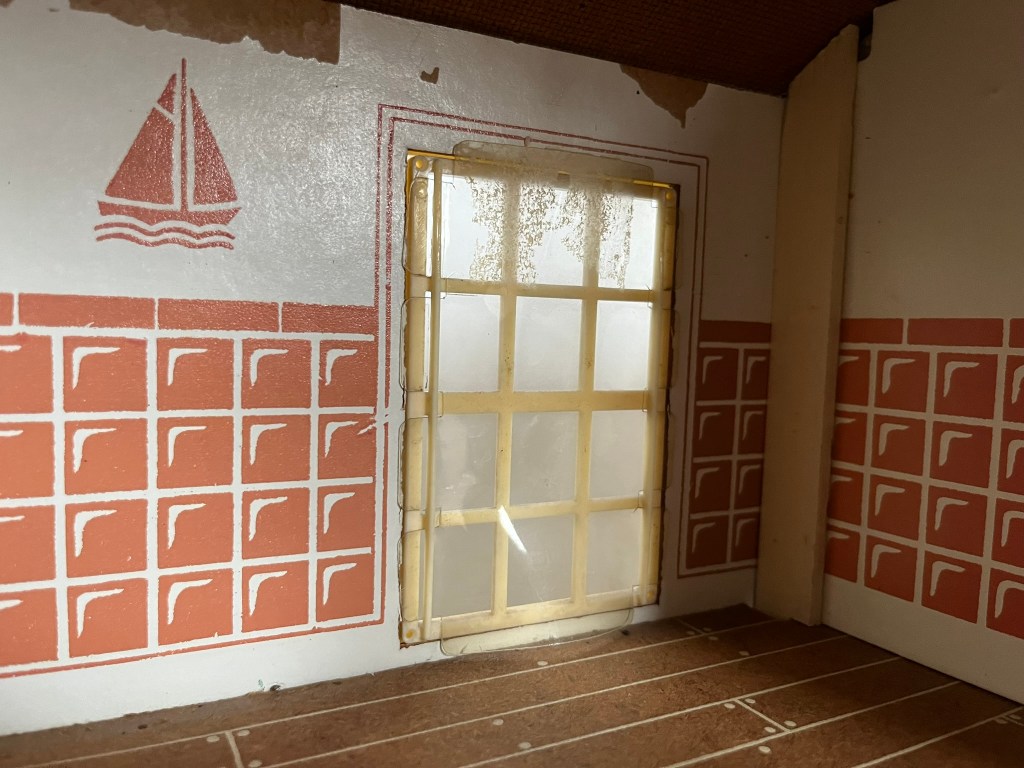
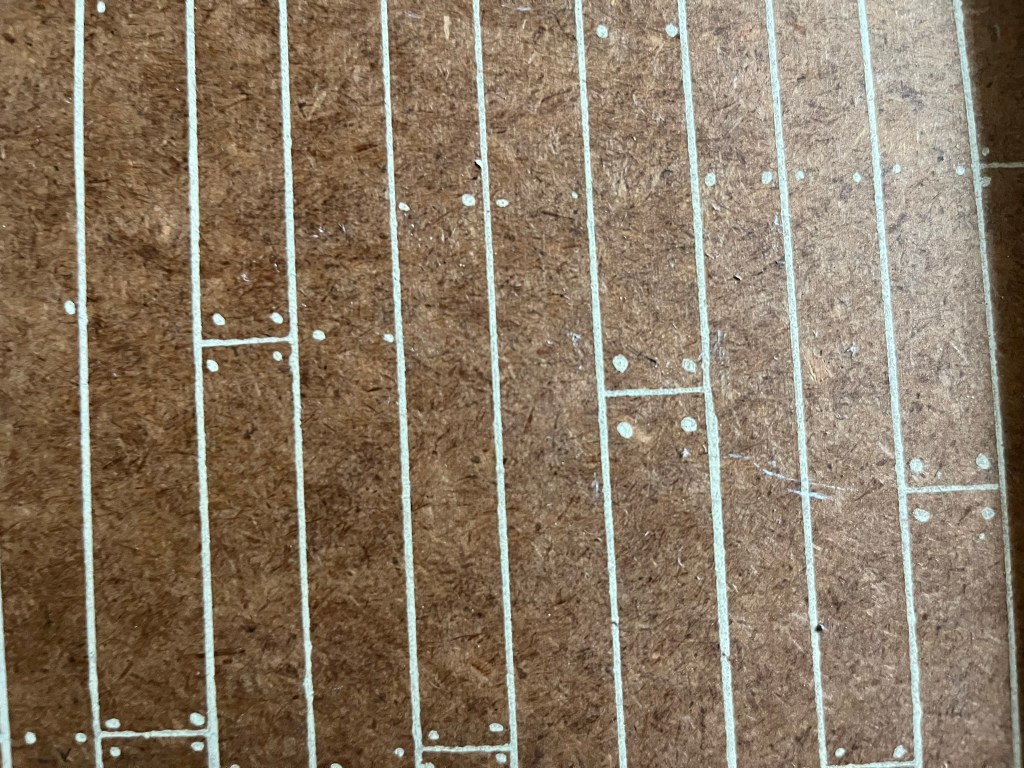
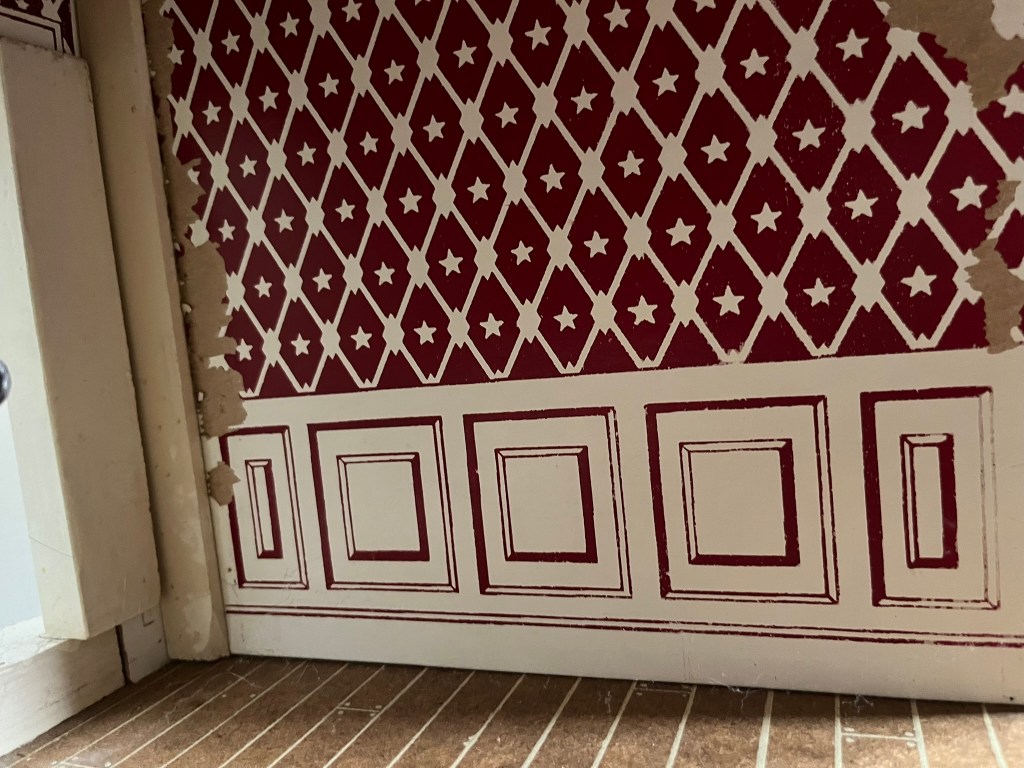
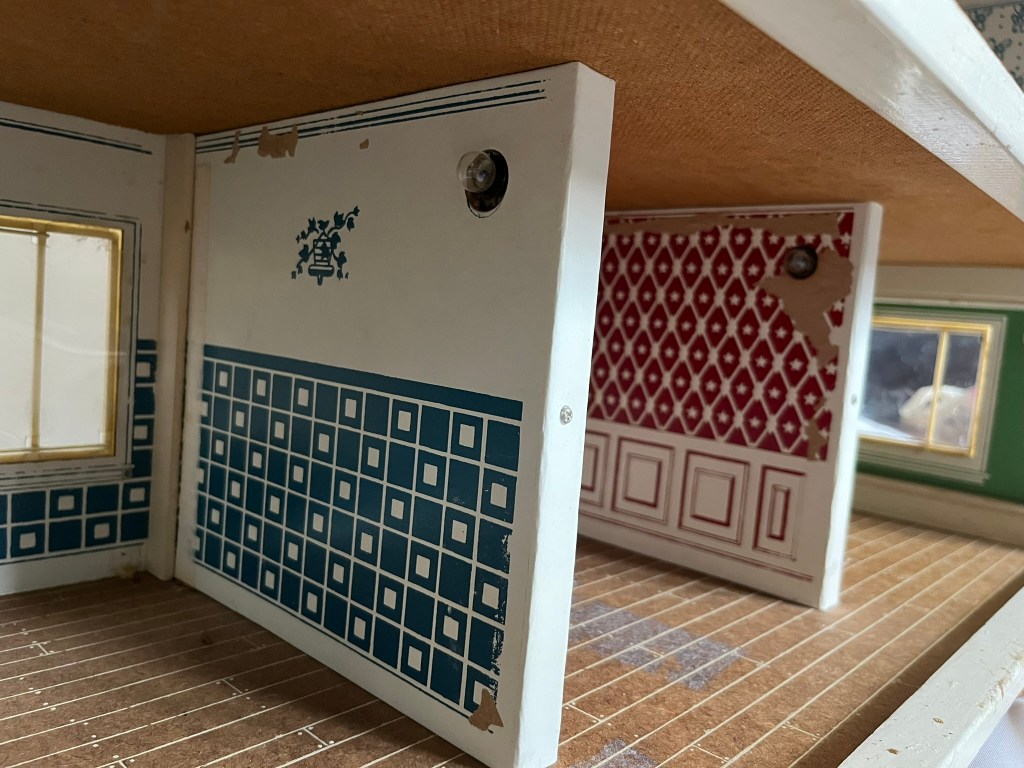
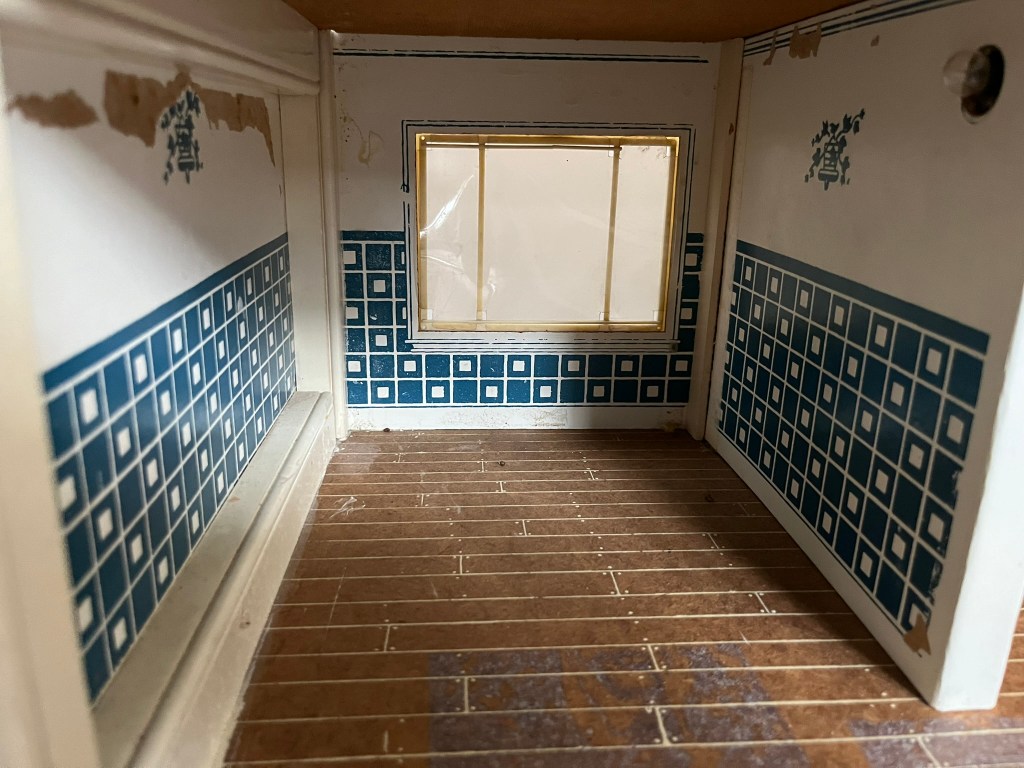
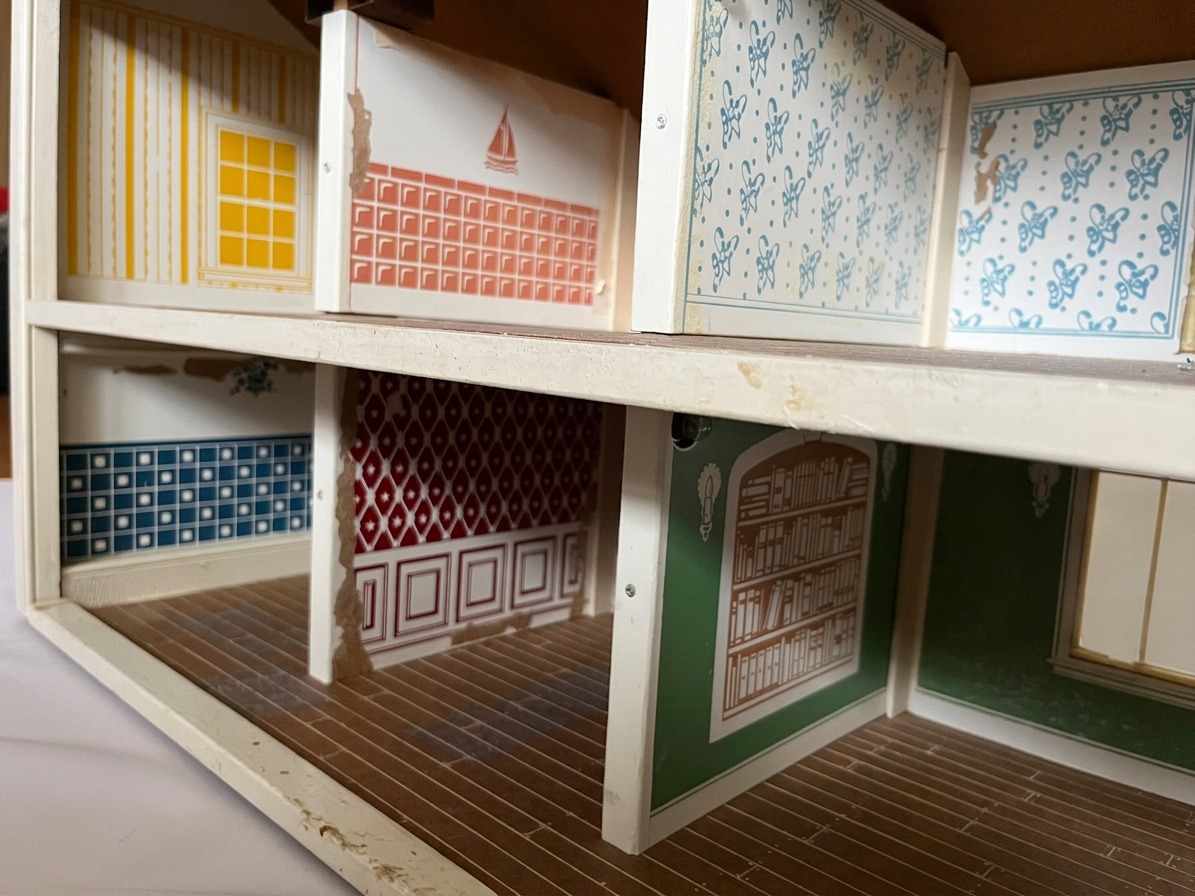
This dollhouse has six rooms arranged across two floors, each with its own decorative wallpaper and simulated hardwood flooring.
And those details! The climbing ivy, flower boxes, twin chimneys, and tiny lanterns beside the front door give this house so much character.
Rather than filling the rooms with miniature furniture, I decided to try something different.
Teacups!
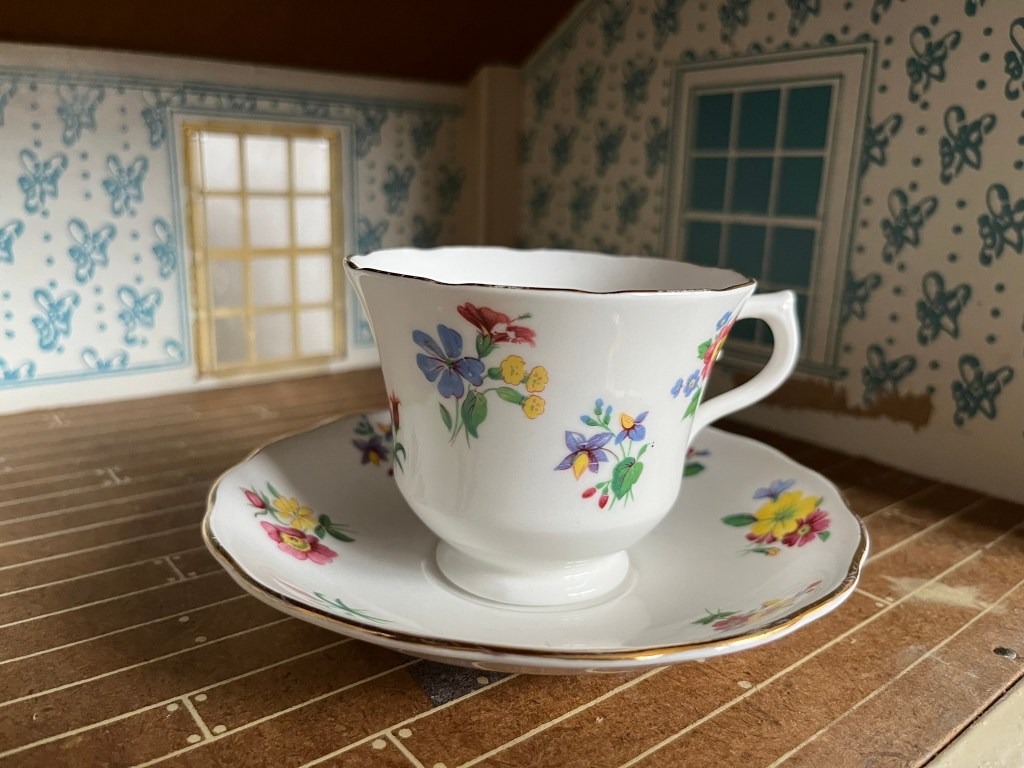
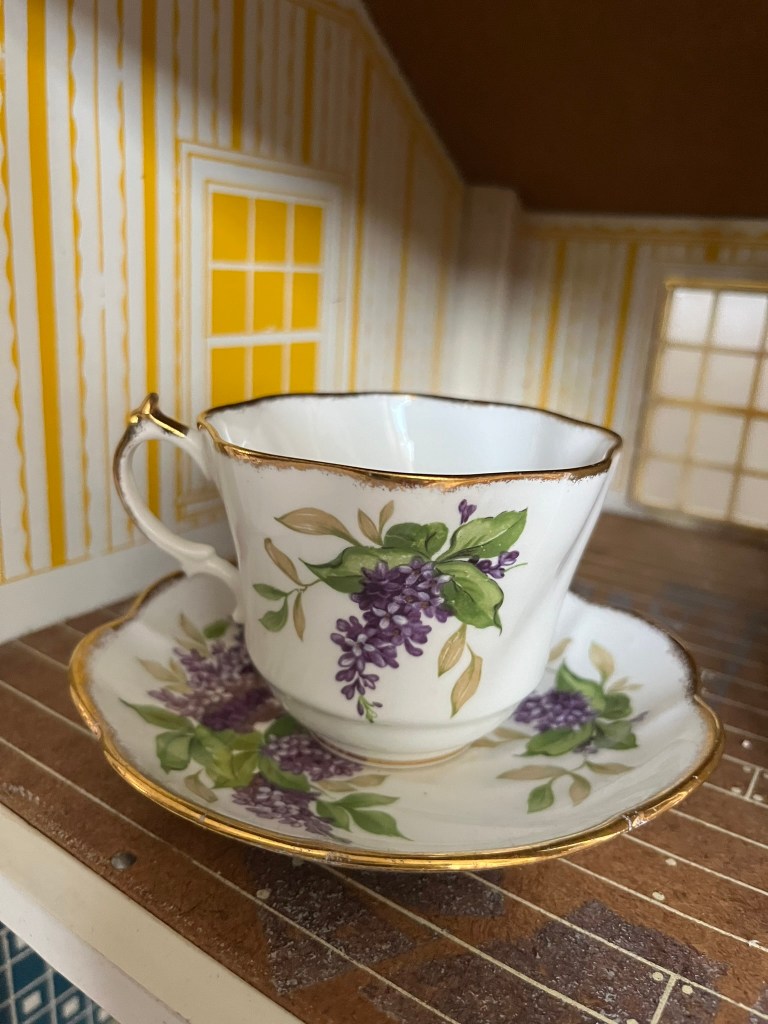
Each room now holds a beautiful vintage floral teacup and saucer.
The delicate porcelain, colorful flowers, and touches of gold complement the dollhouse’s original mid-century interiors surprisingly well.
It’s almost as though each little room has become its own tiny china cabinet!
I especially love how the teacups look against the old wallpaper and wooden floors. There’s something wonderfully nostalgic about combining two vintage treasures in one display.
More than seventy years after it was made, this Keystone dollhouse is still finding ways to bring joy.
Once a child’s miniature dream home, it has become a charming display for another collection I treasure.
That’s one of the things I love most about vintage dollhouses. They don’t have to remain exactly as they were originally used to continue being appreciated.
Sometimes, giving an old treasure a new purpose is another way of keeping its story alive.
After all, every dollhouse deserves a second life—even if that life comes with a cup of tea!
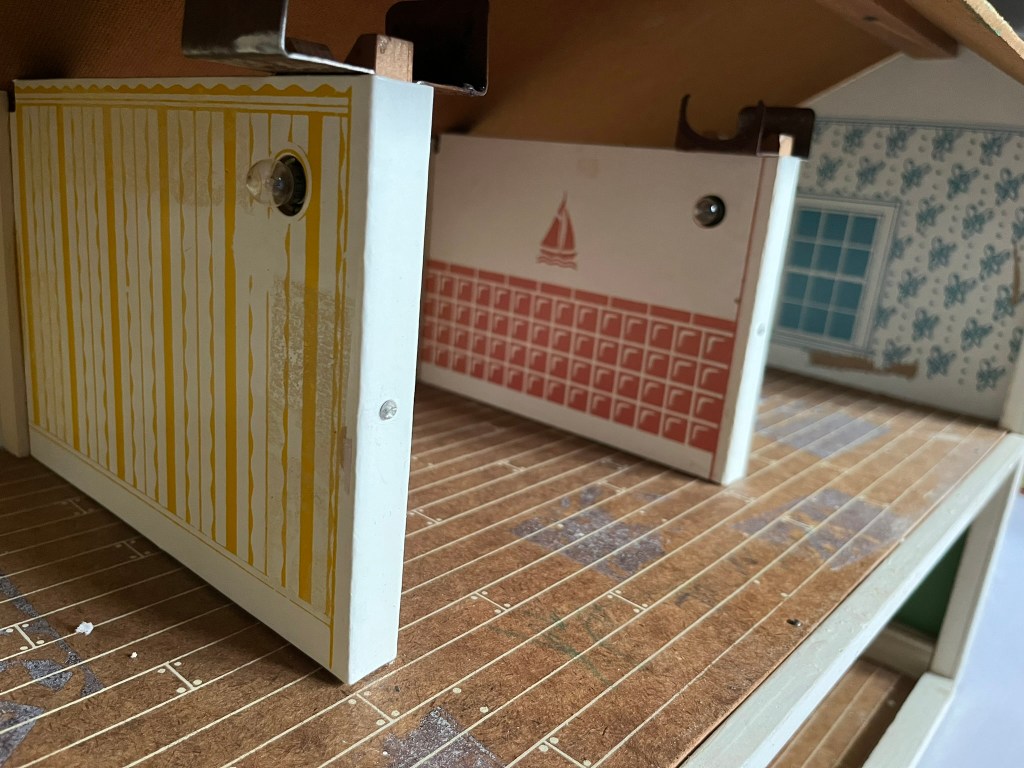
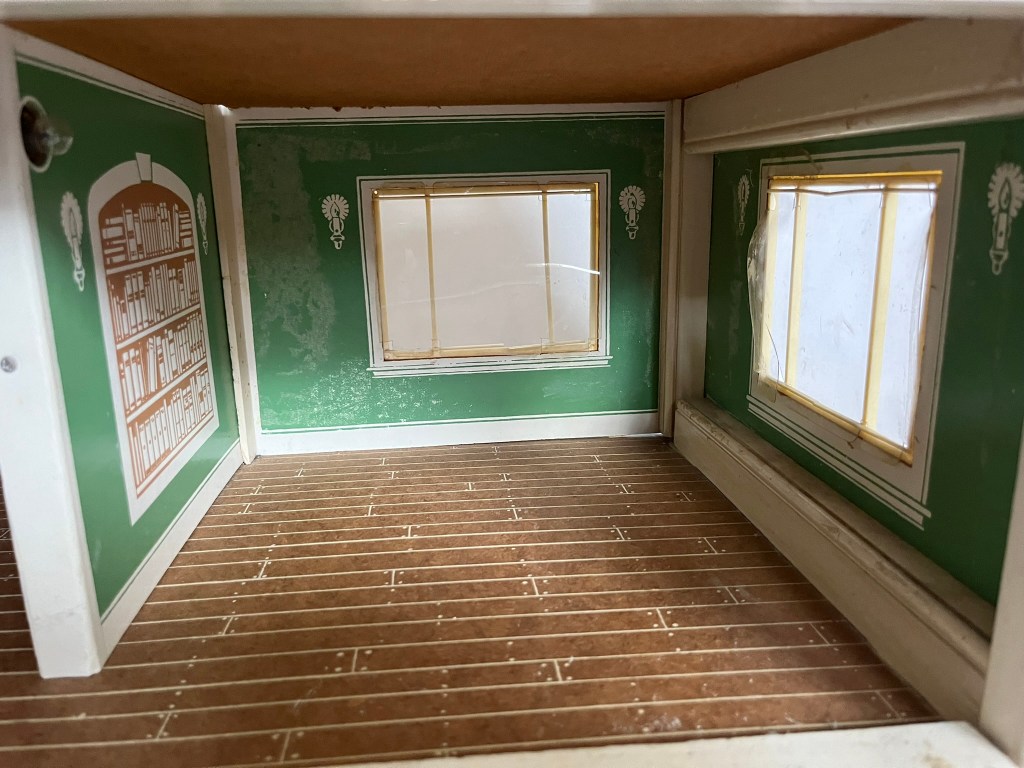
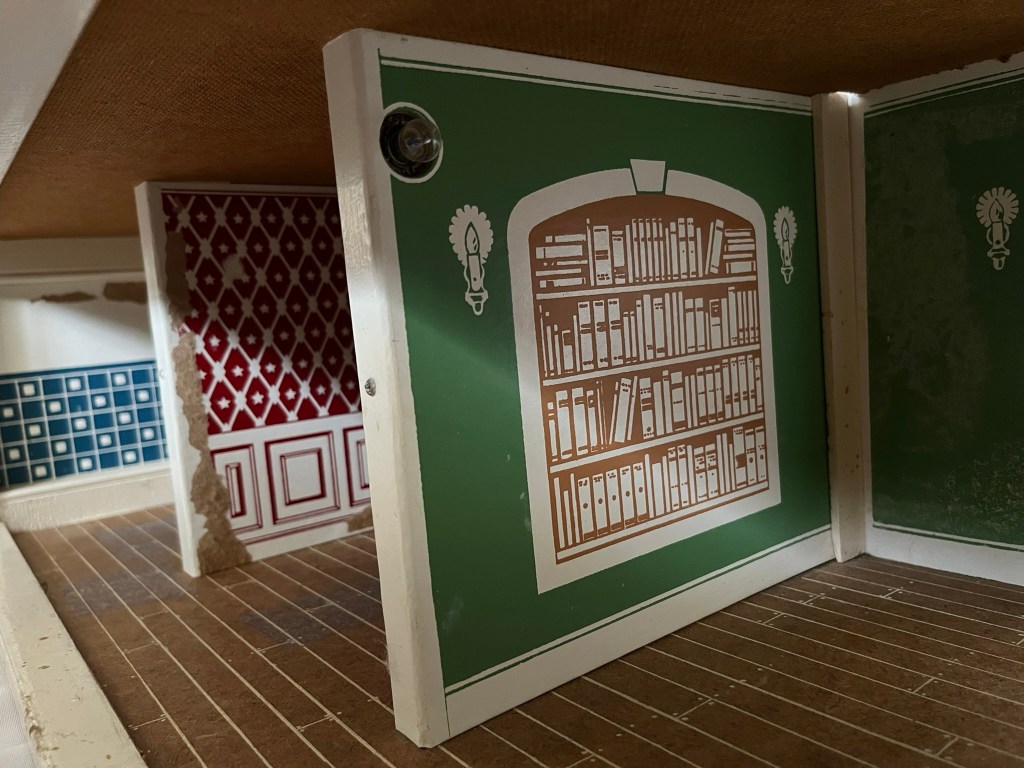
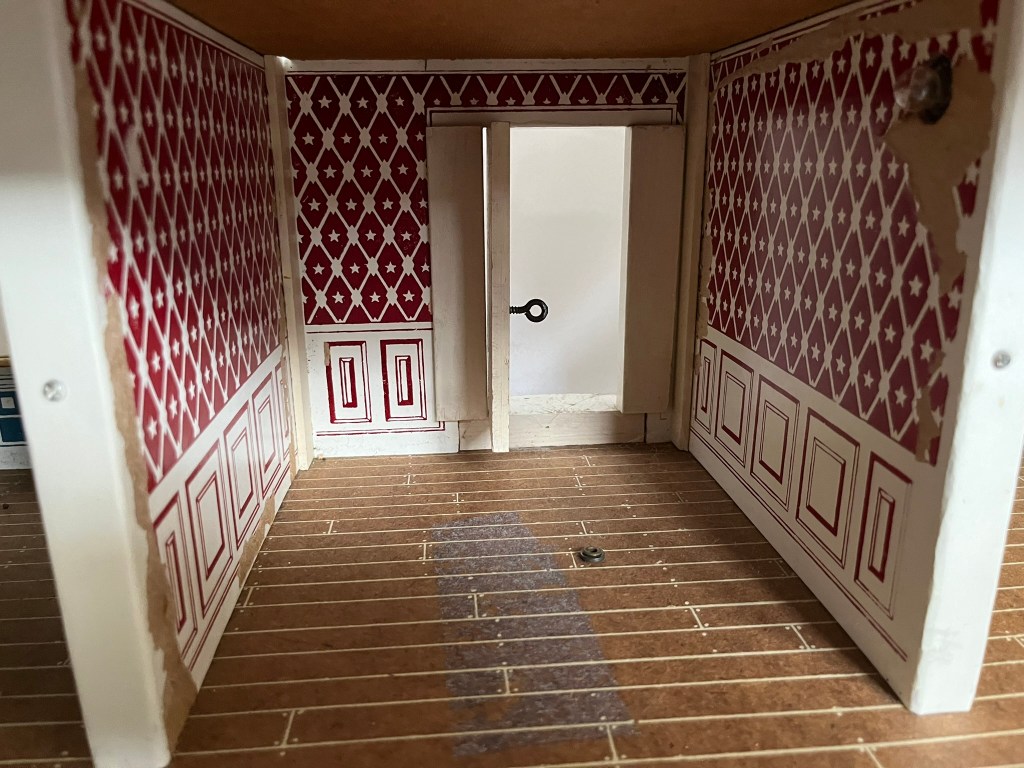
More photos of this Colonial Revival architecture – click HERE!
Sometimes the best miniature discoveries don’t happen at an antique mall, estate sale or online auction.
Sometimes they happen at the library.
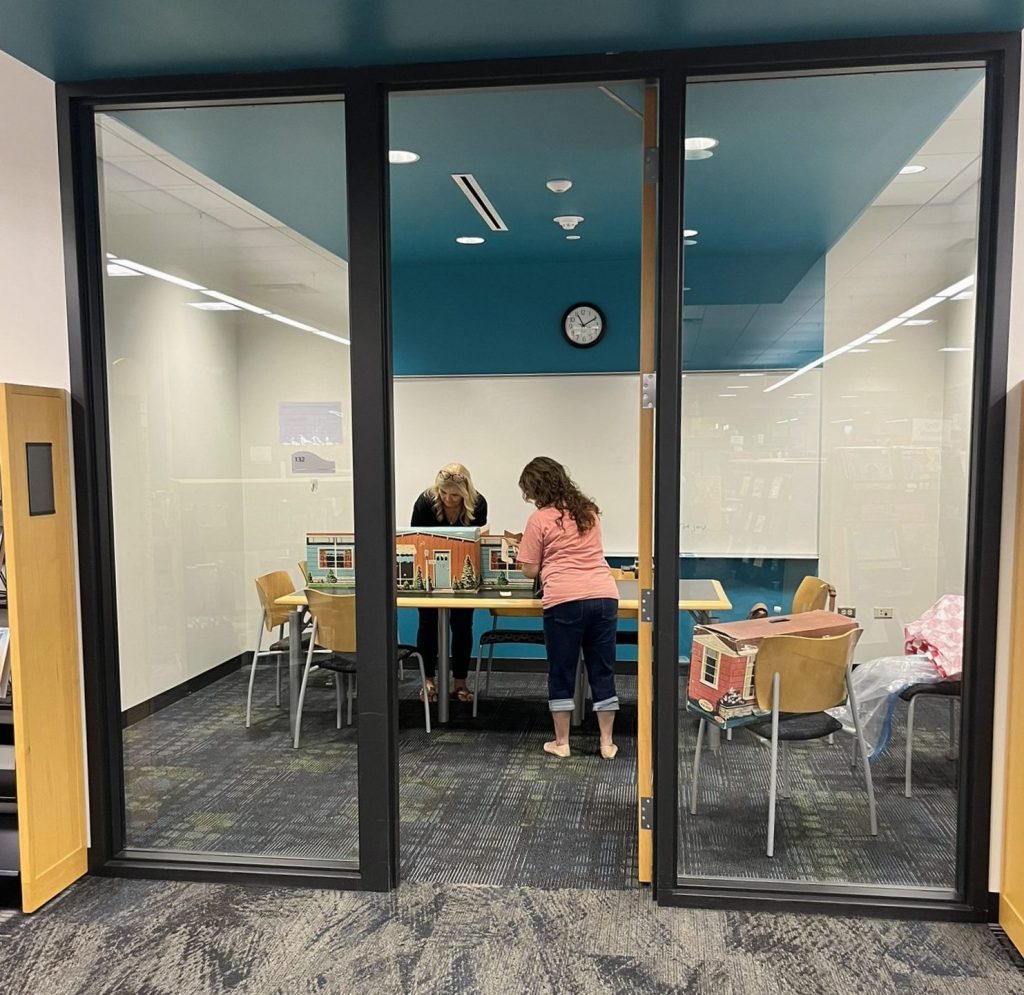
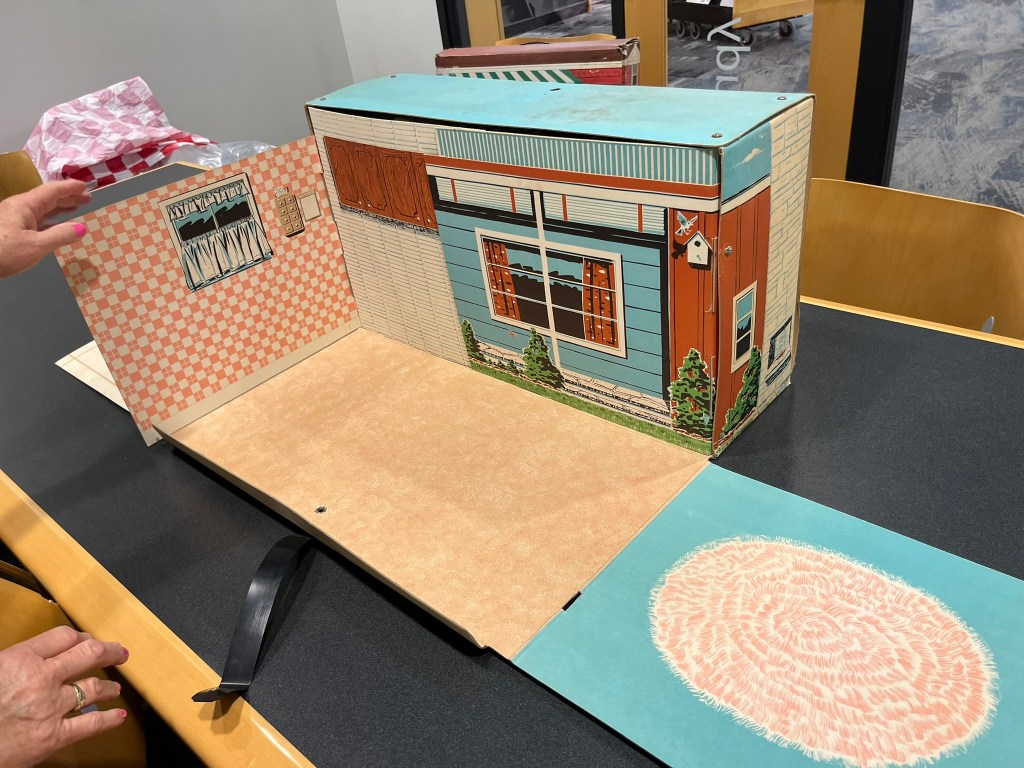
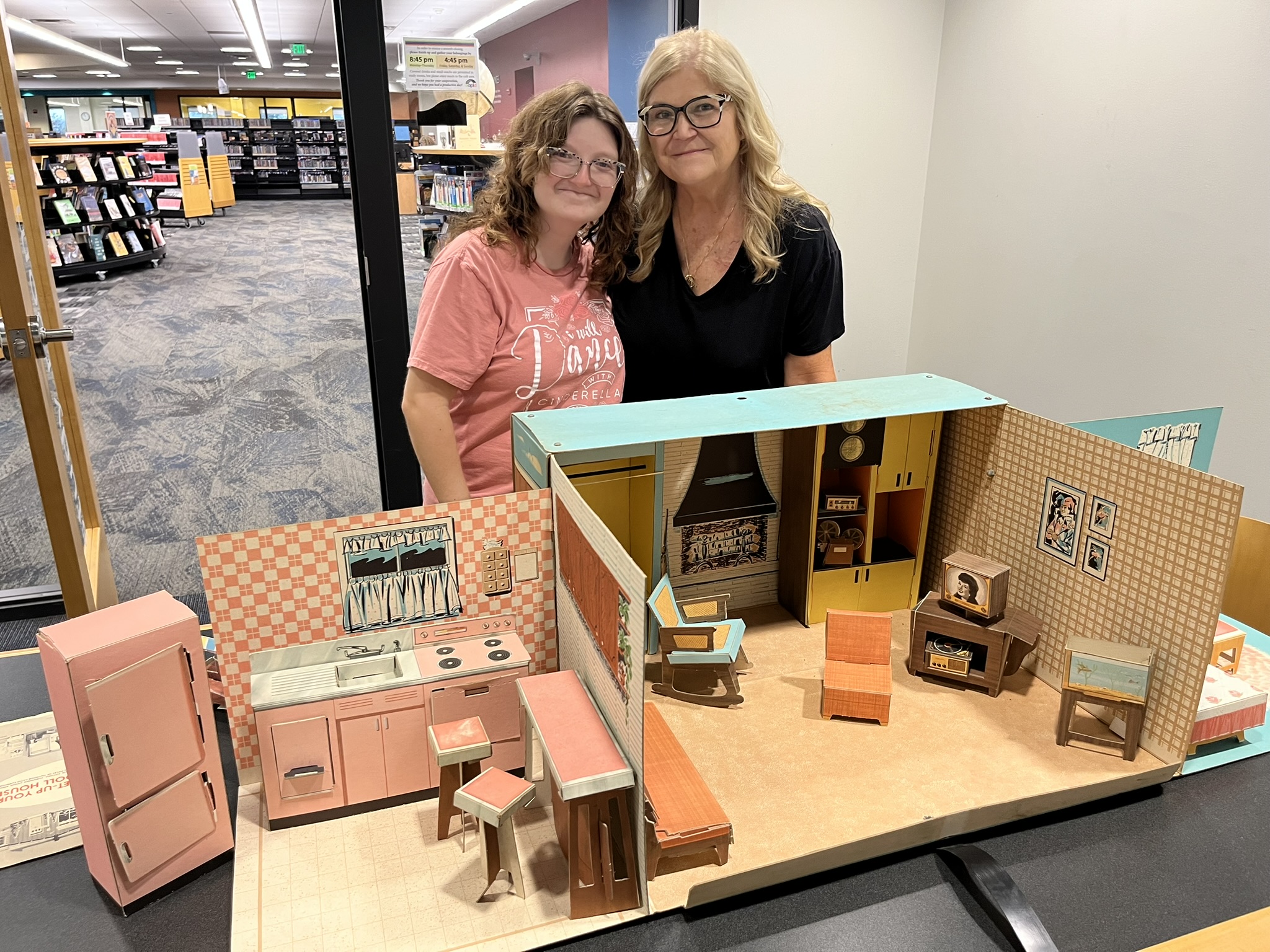
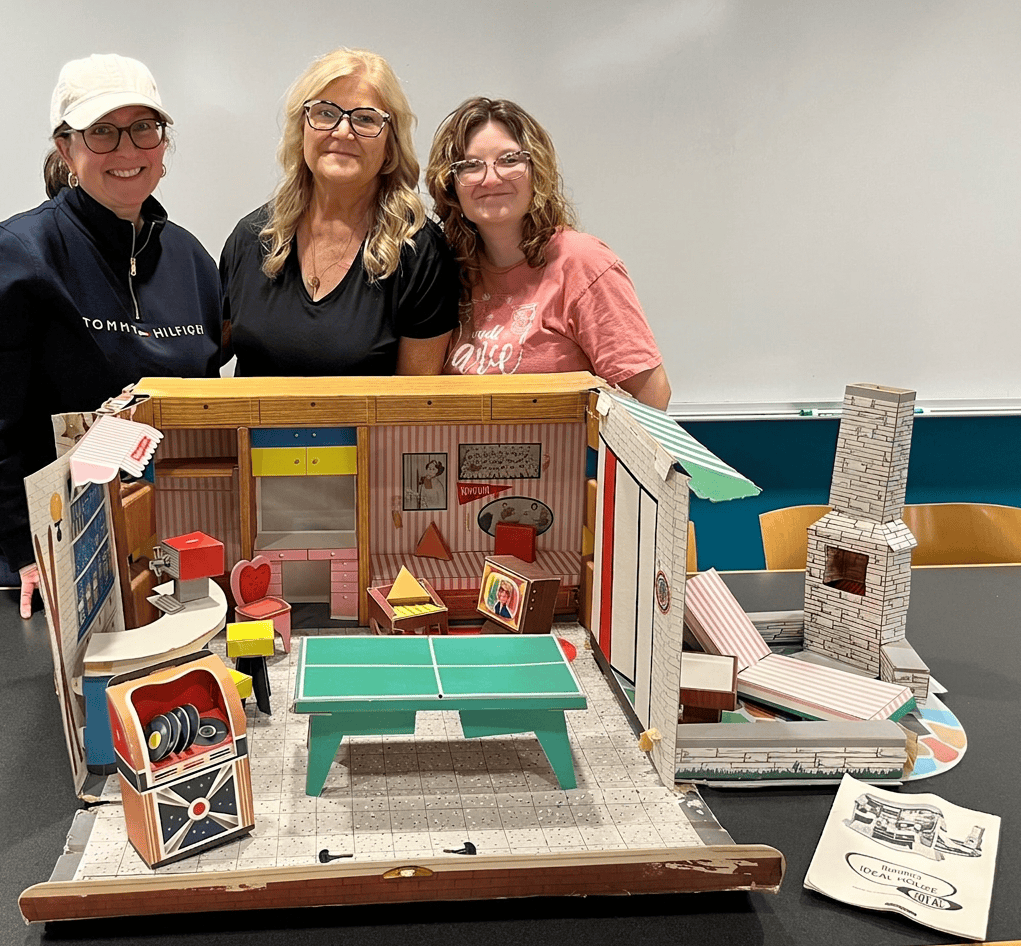
After we agreed to meet at the library so I could take a closer look at Tammy’s Ideal Doll House, Sally and her daughter surprised me by bringing along another vintage dollhouse too!
Here’s my previous post – TAMMY’S IDEAL HOUSE: A LITTLE PIECE OF 1963
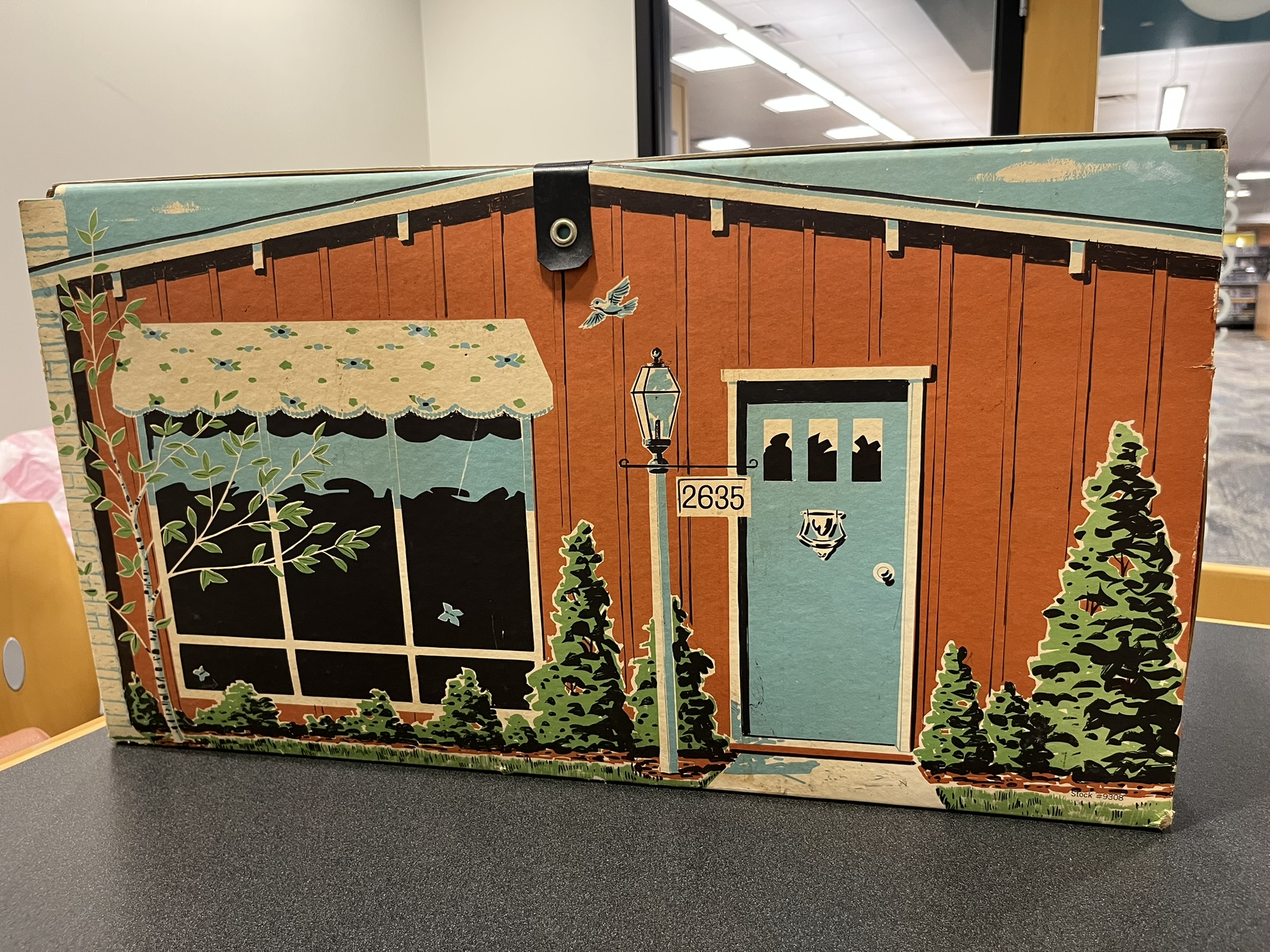
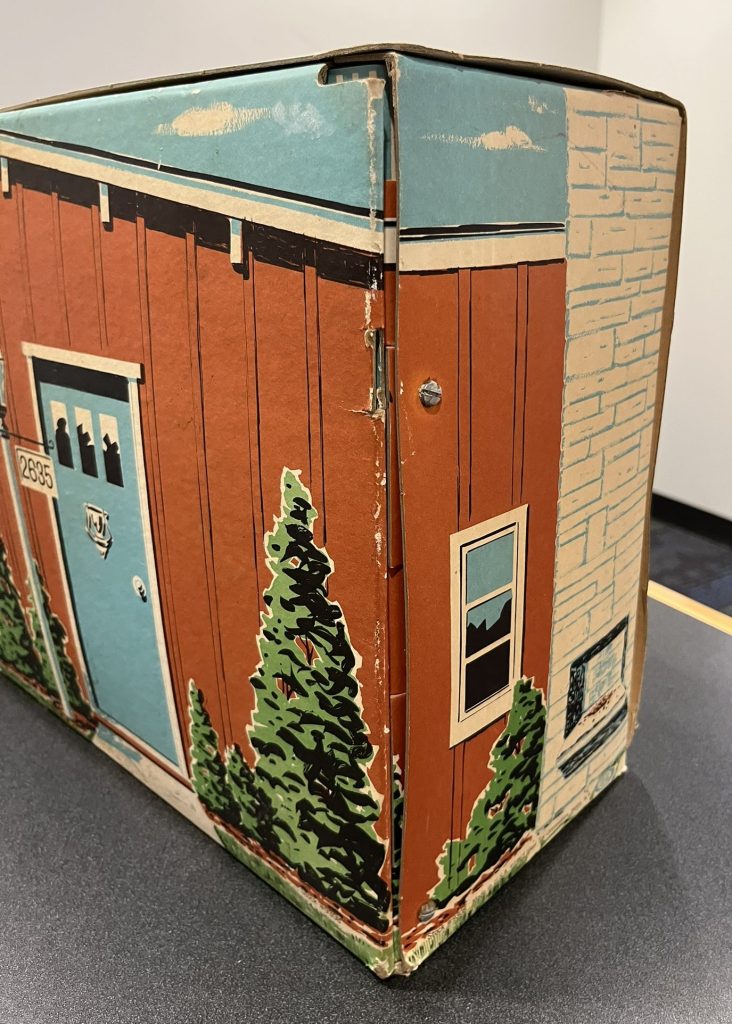
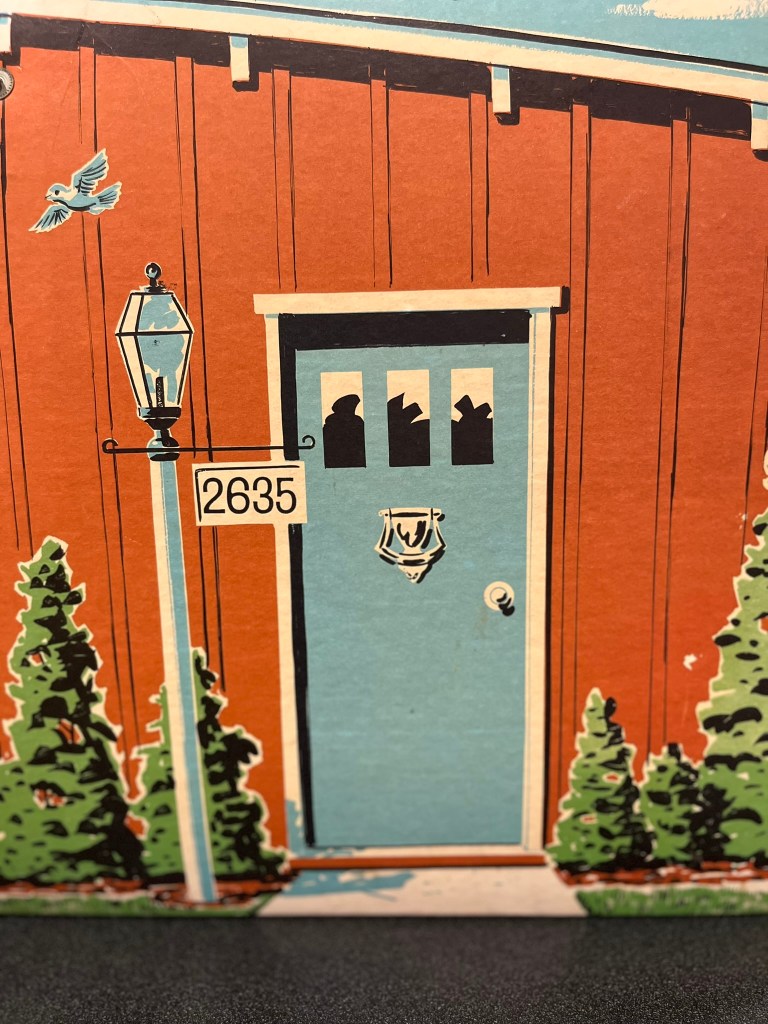
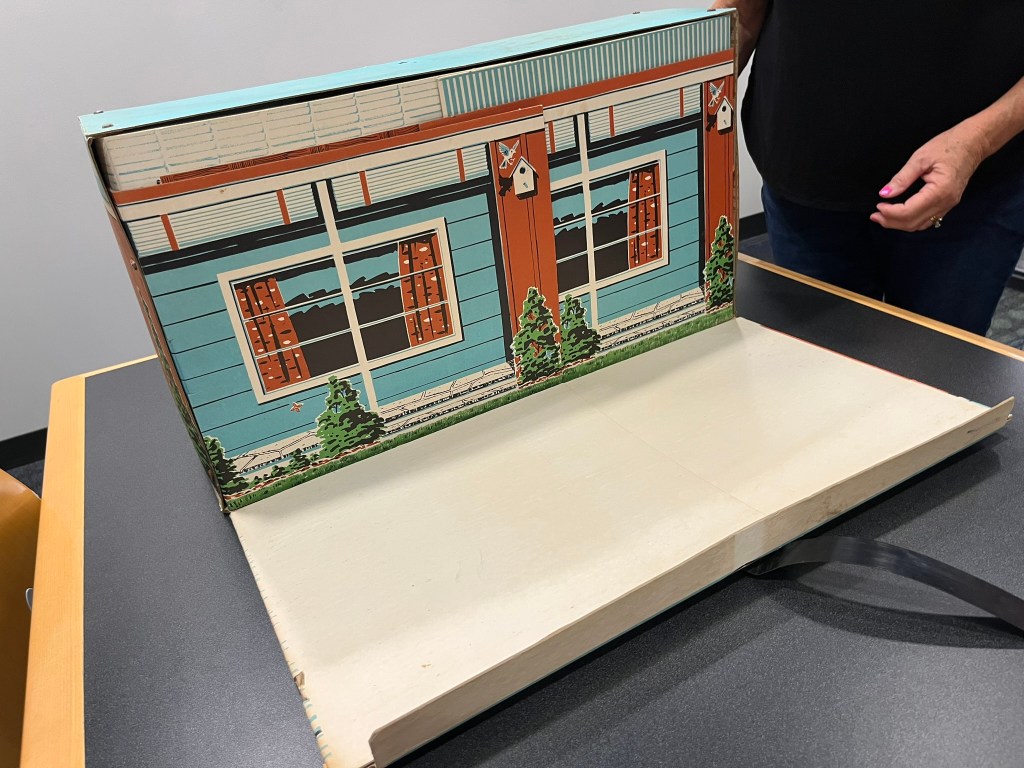
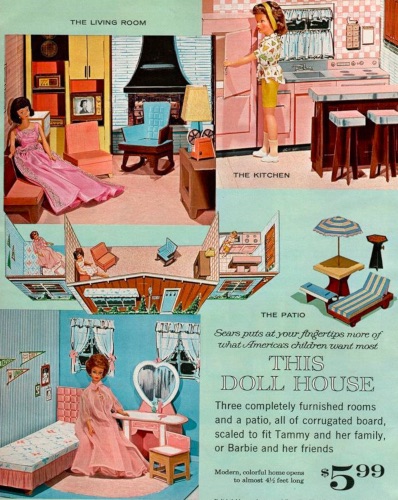
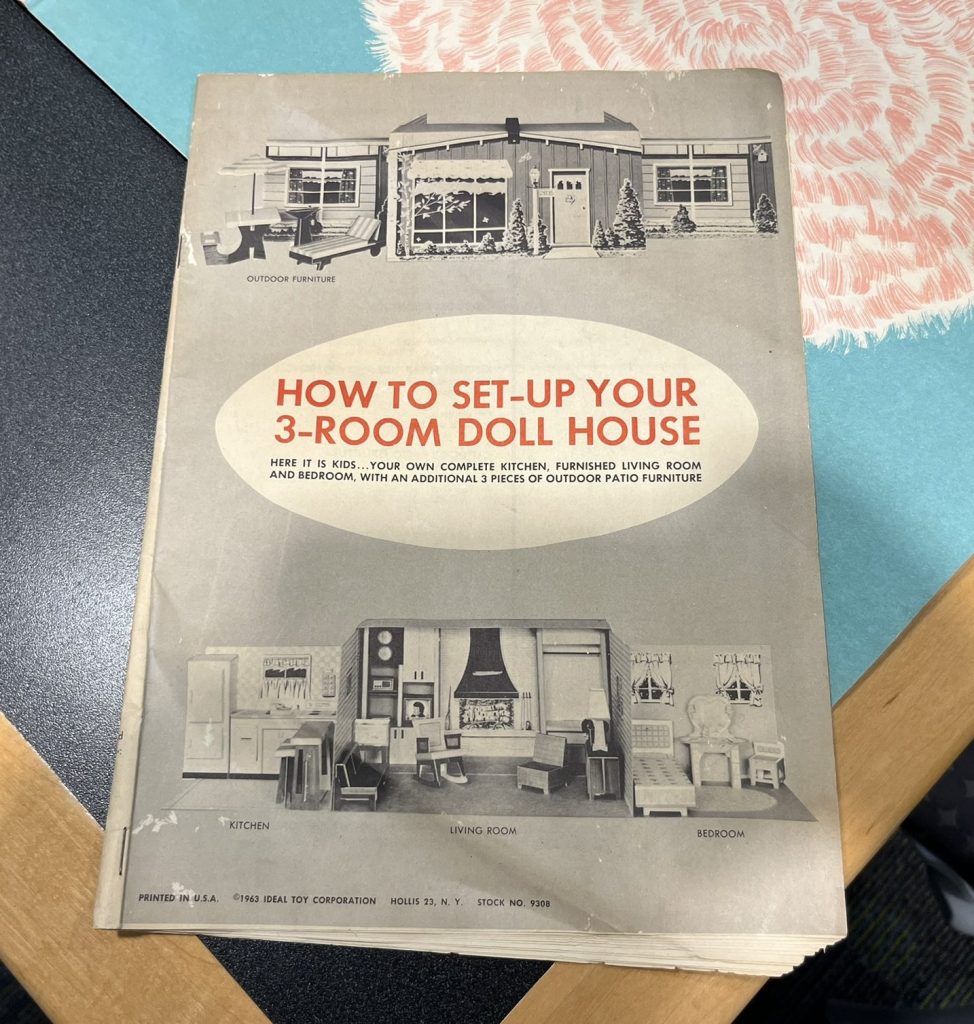
After doing some research online, I was able to identify it as the 1963 Ideal Doll House, produced by Ideal Toy Corporation and sold through Sears. And here’s the part I love: Sears didn’t limit it to just one doll line. The house was advertised as being suitable for Tammy and her family—or Barbie and her friends.
The original Sears advertisement offered three completely furnished rooms and a patio, with the entire house opening to almost four and a half feet long.
The price? $5.99.
Yes. An entire furnished mid-century dollhouse for $5.99!
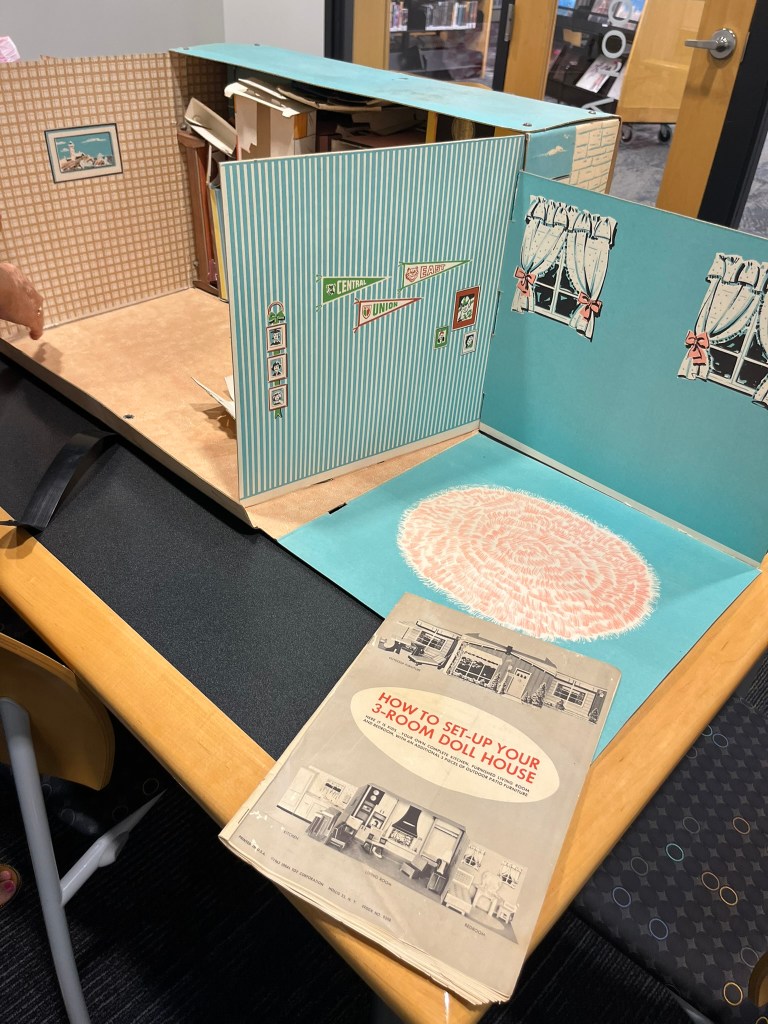
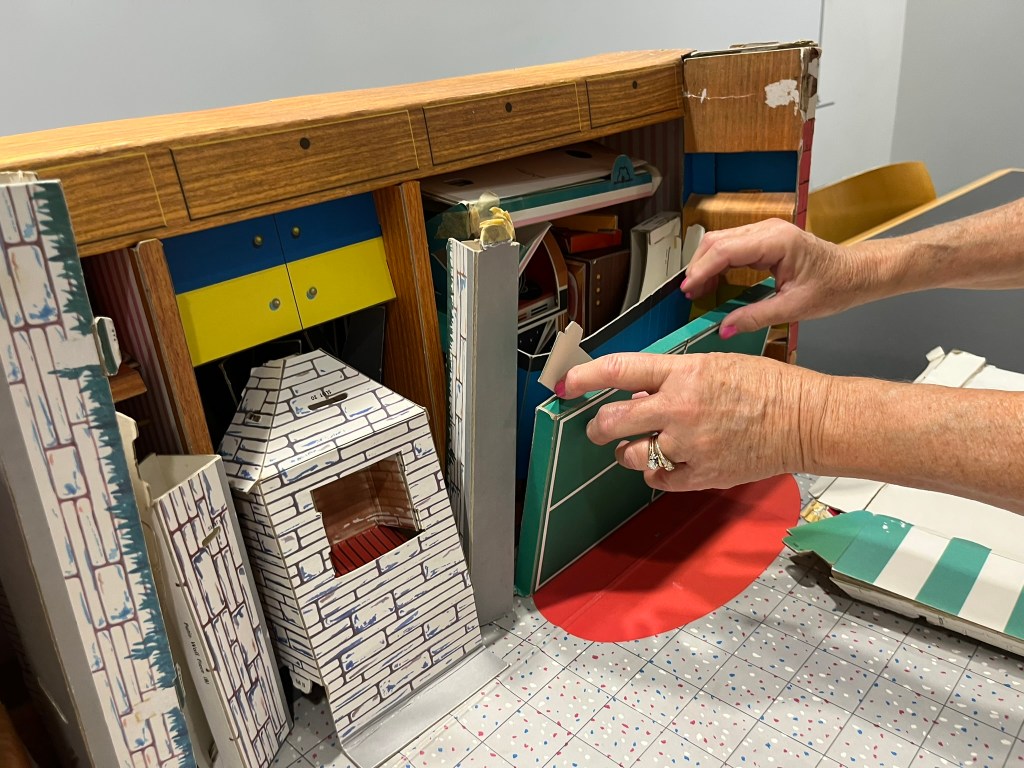
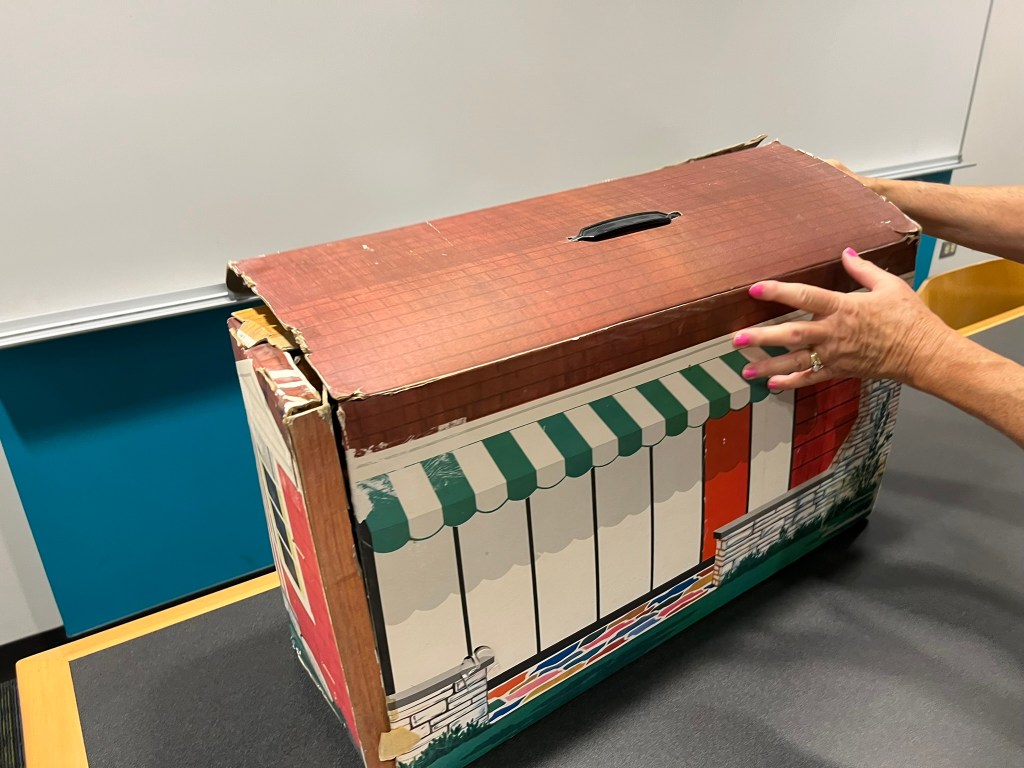
It’s amazing how much of this little printed cardboard house has survived, remarkably complete and well-preserved after more than 60 years.
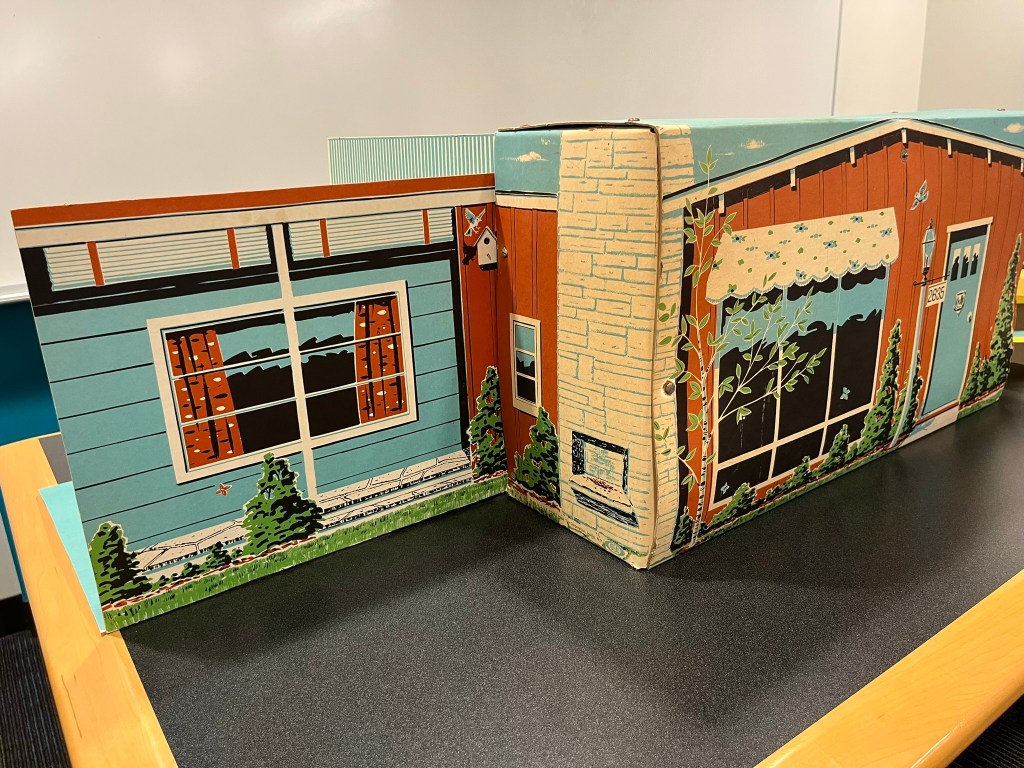
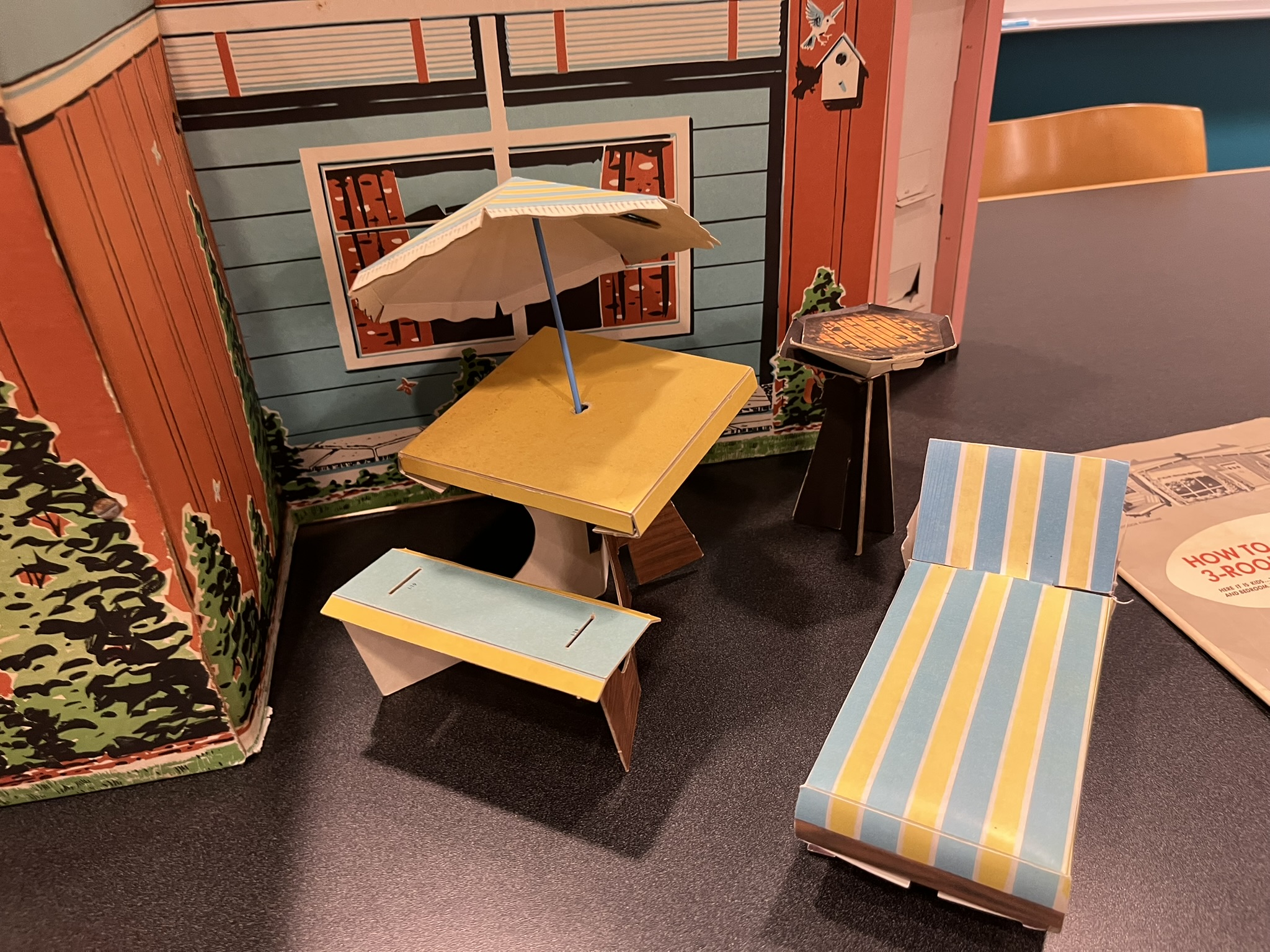
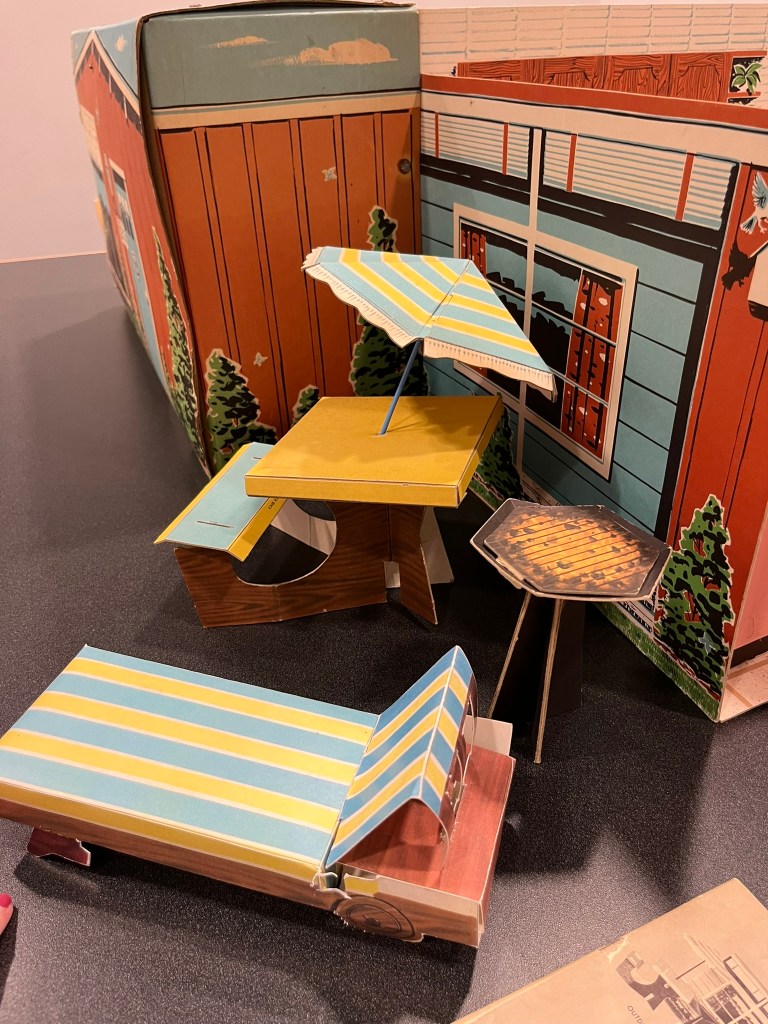
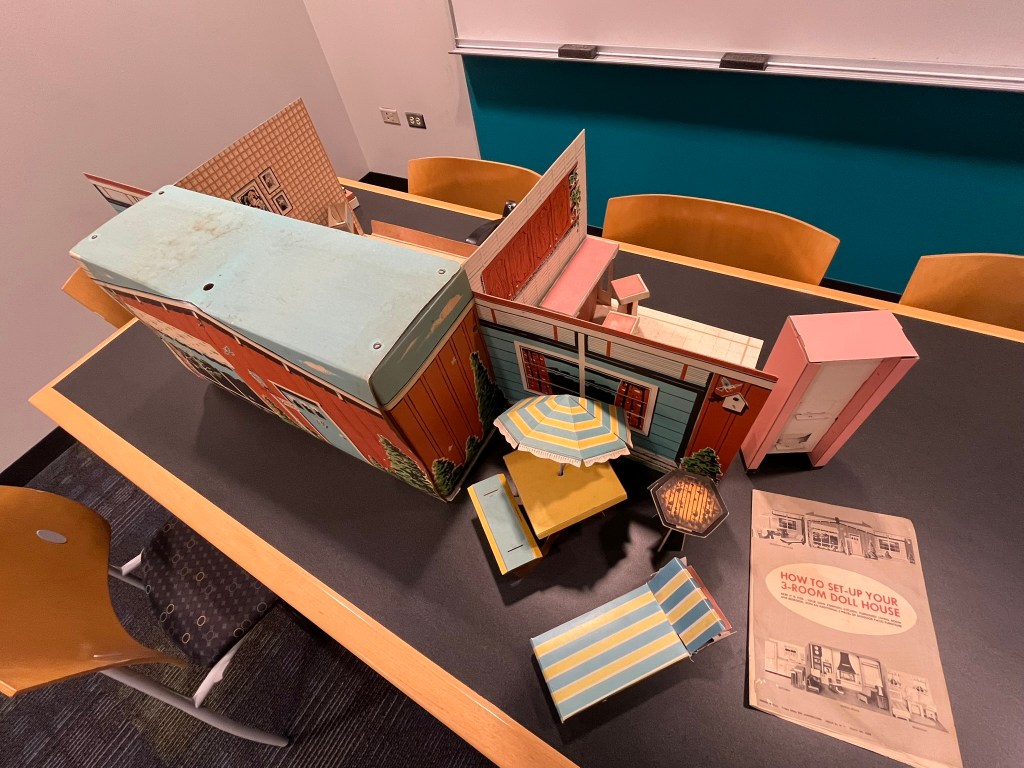
When fully opened, this impressive cardboard dollhouse stretched nearly 4½ feet long!
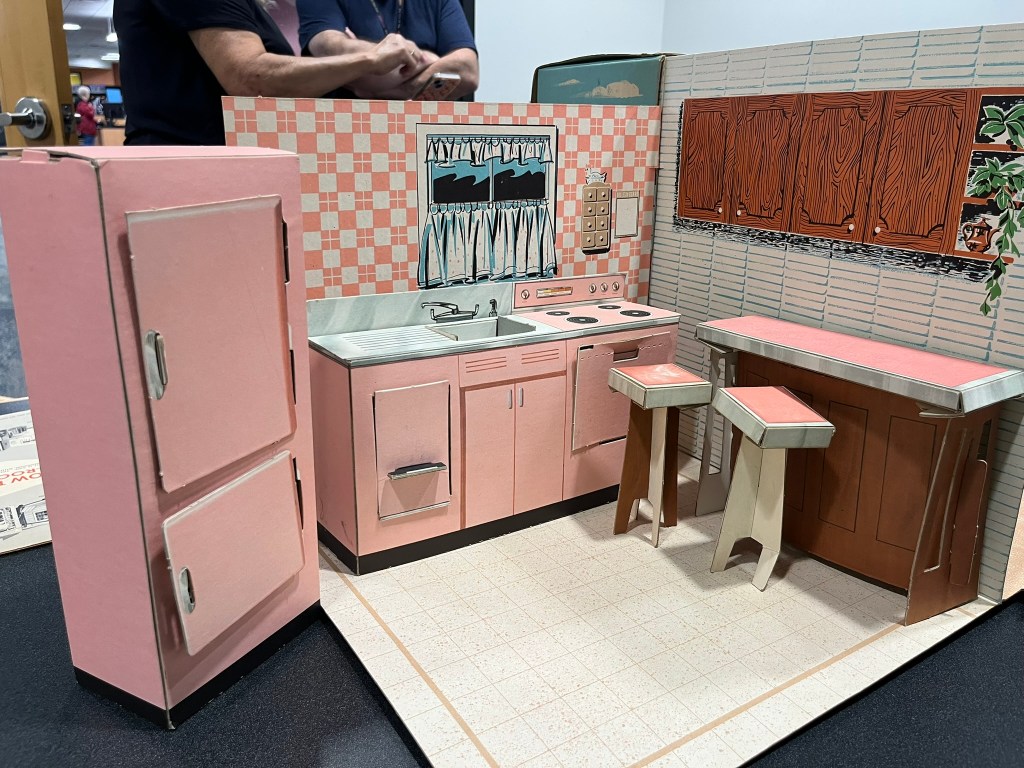
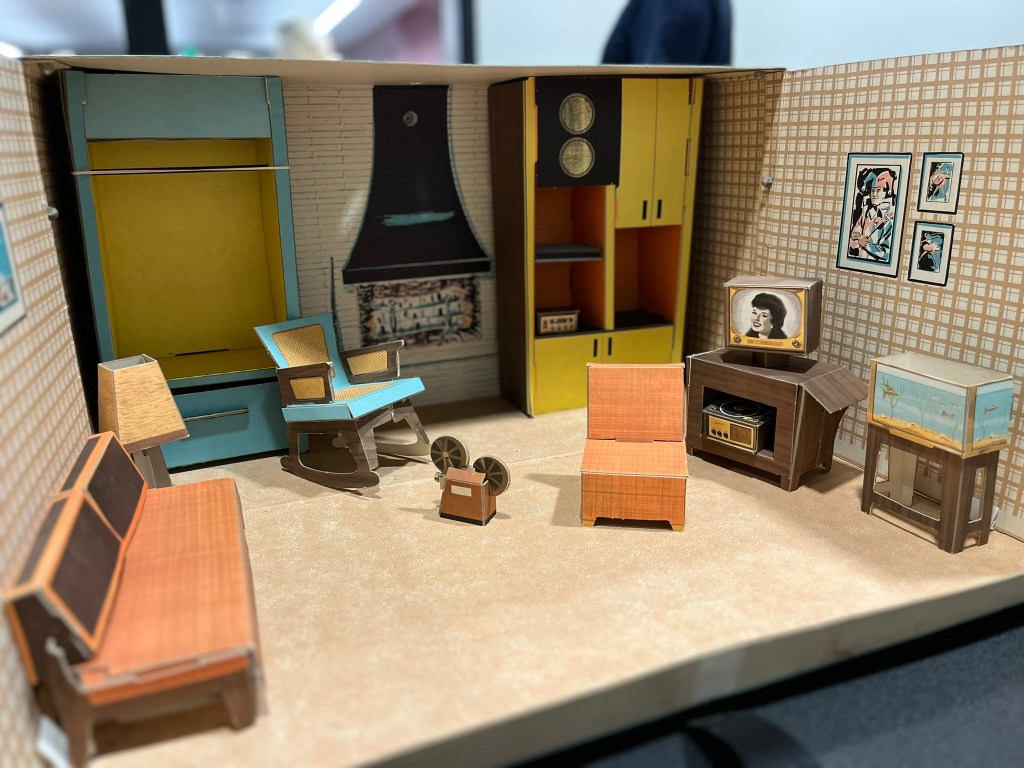
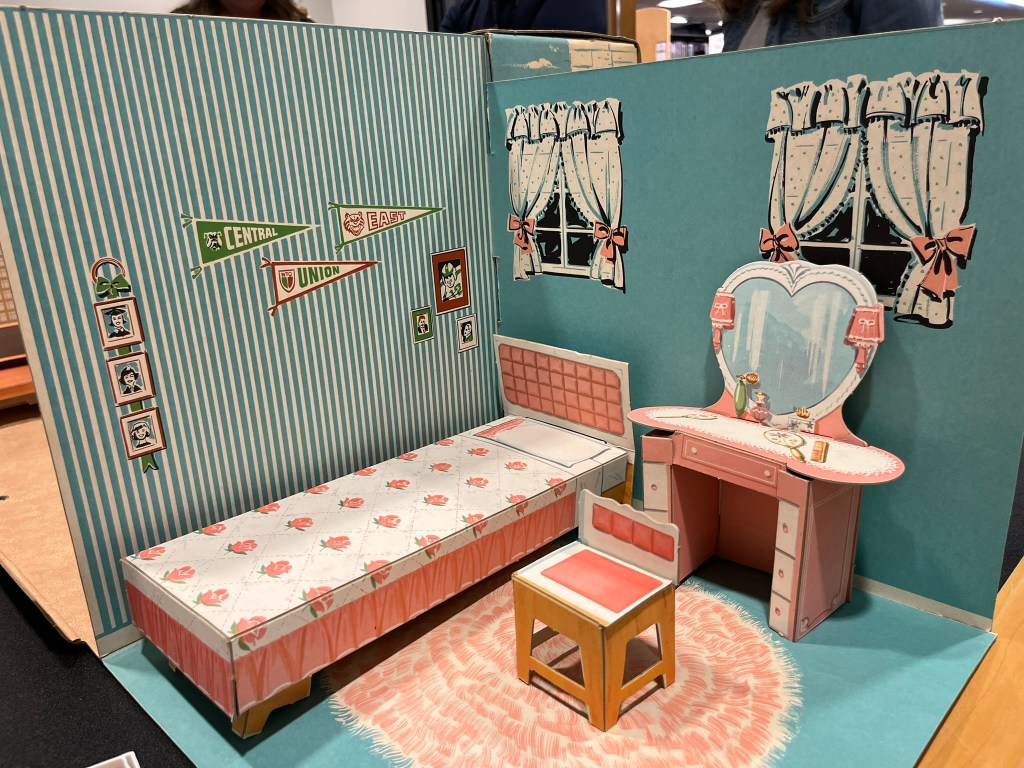
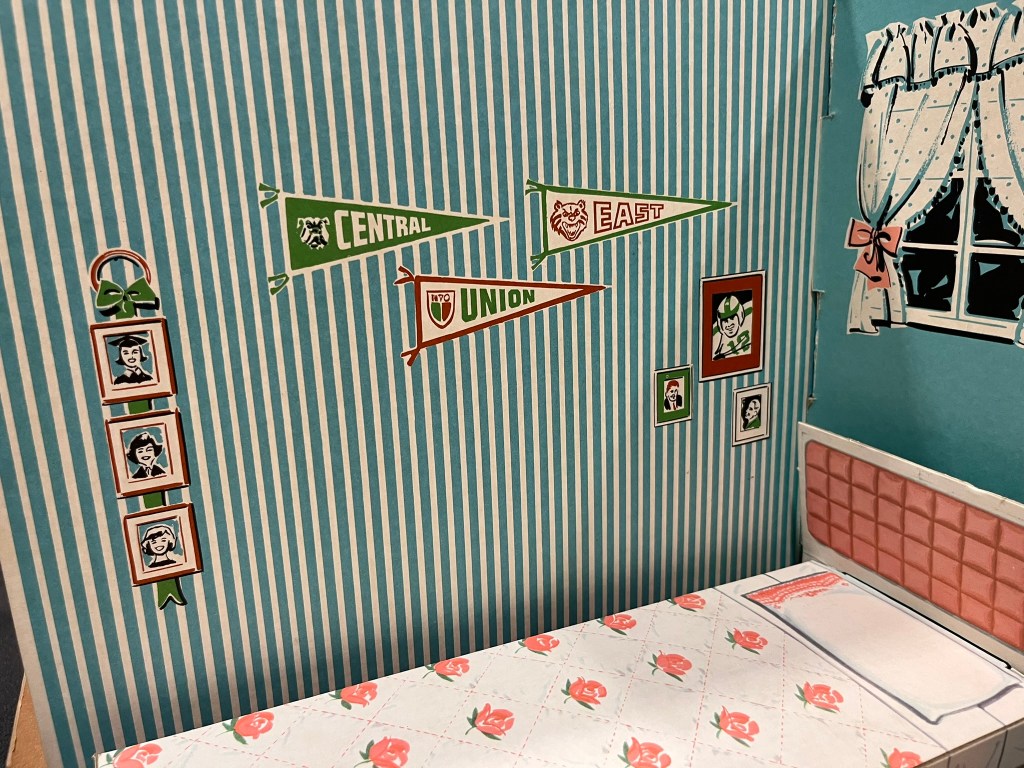
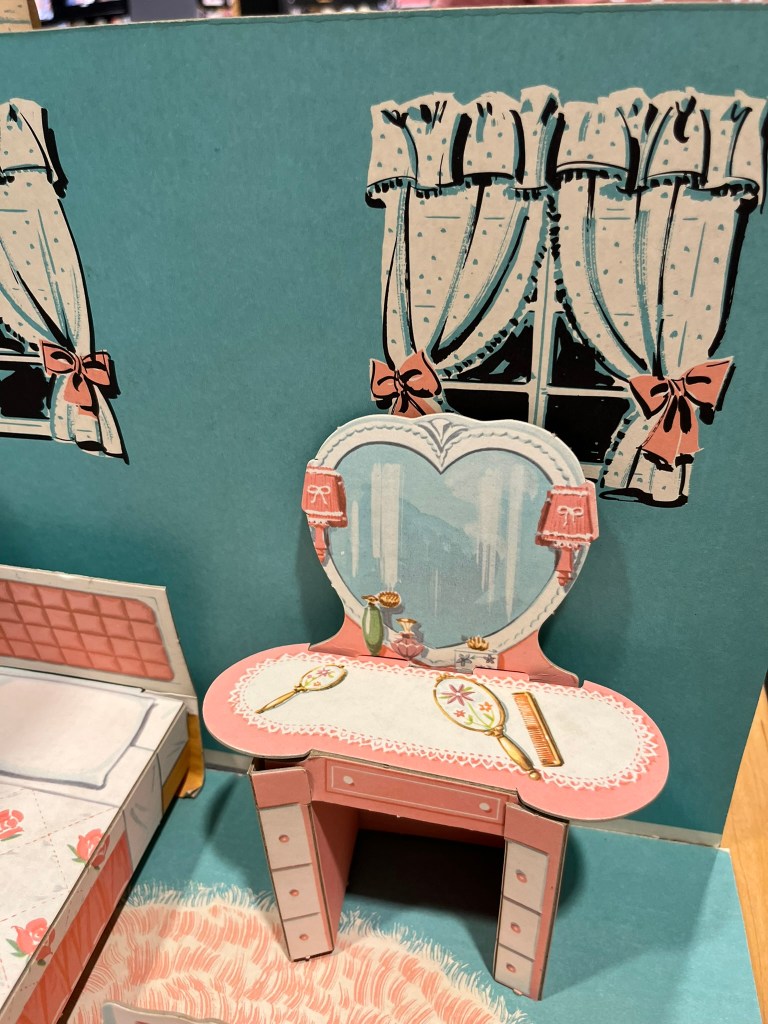
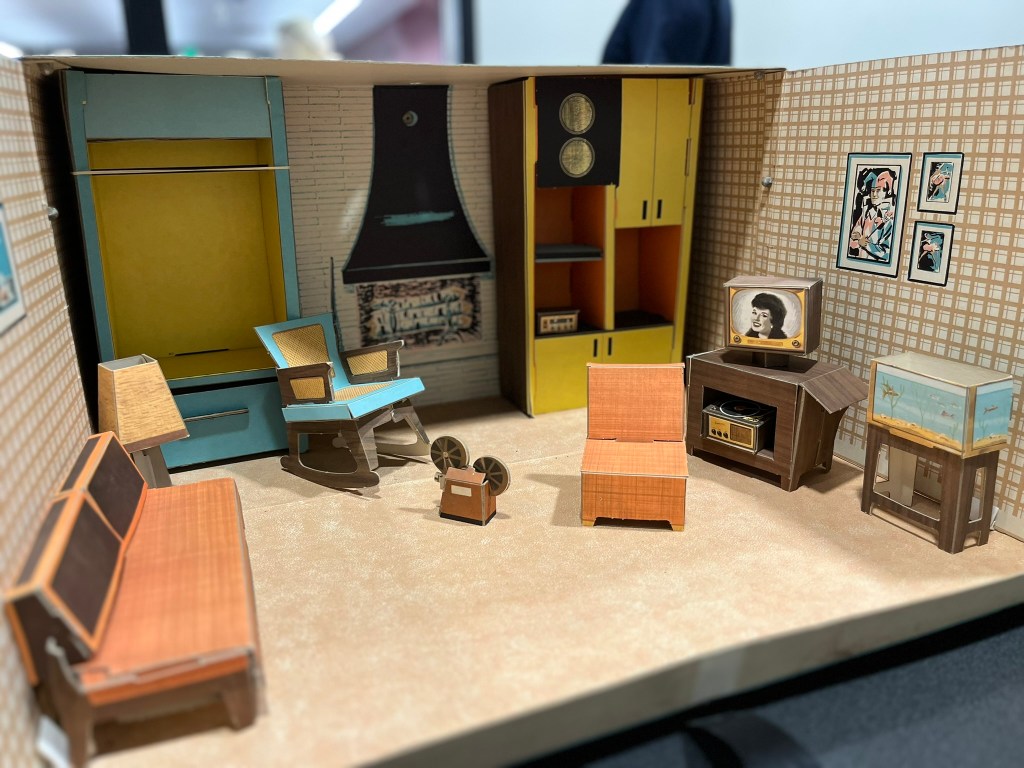
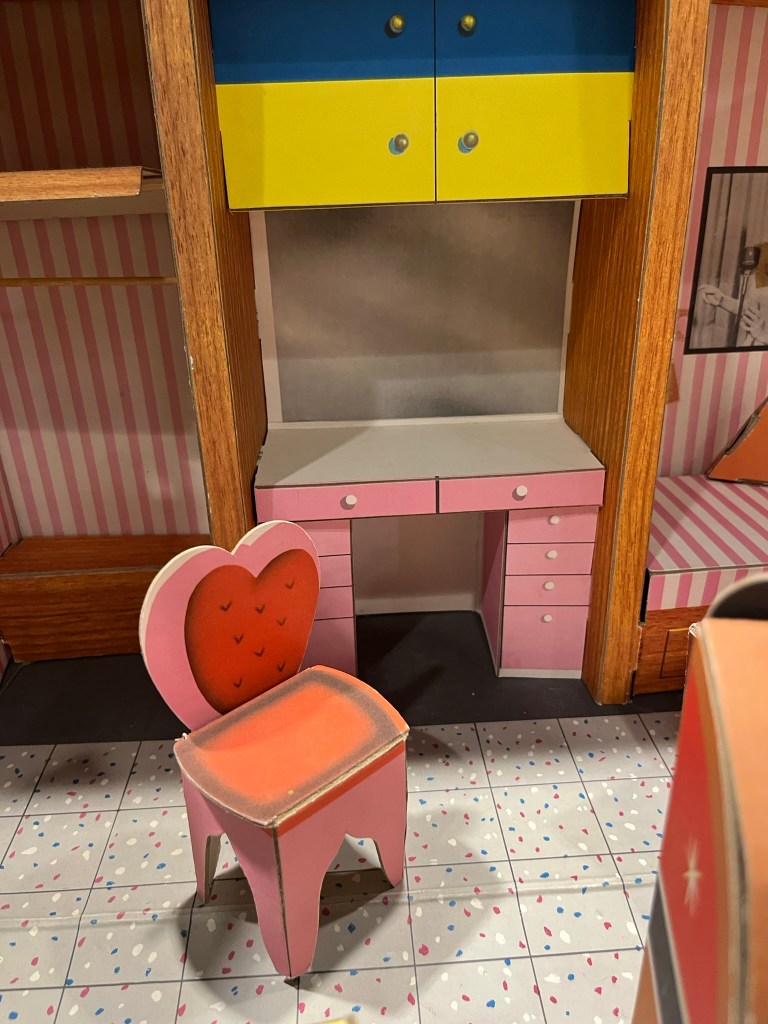
The pink refrigerator is still there. So are the kitchen cabinets, stove, breakfast bar and stools. The bedroom still has its bed and wonderful heart-shaped vanity. In the living room are pieces of wonderfully graphic mid-century furniture, along with a television, record player, reel-to-reel machine and that fabulous black fireplace.
Beautiful illustrations throughout, with such wonderful attention to detail. There’s real artistry in every little corner.
Even the walls tell a story.
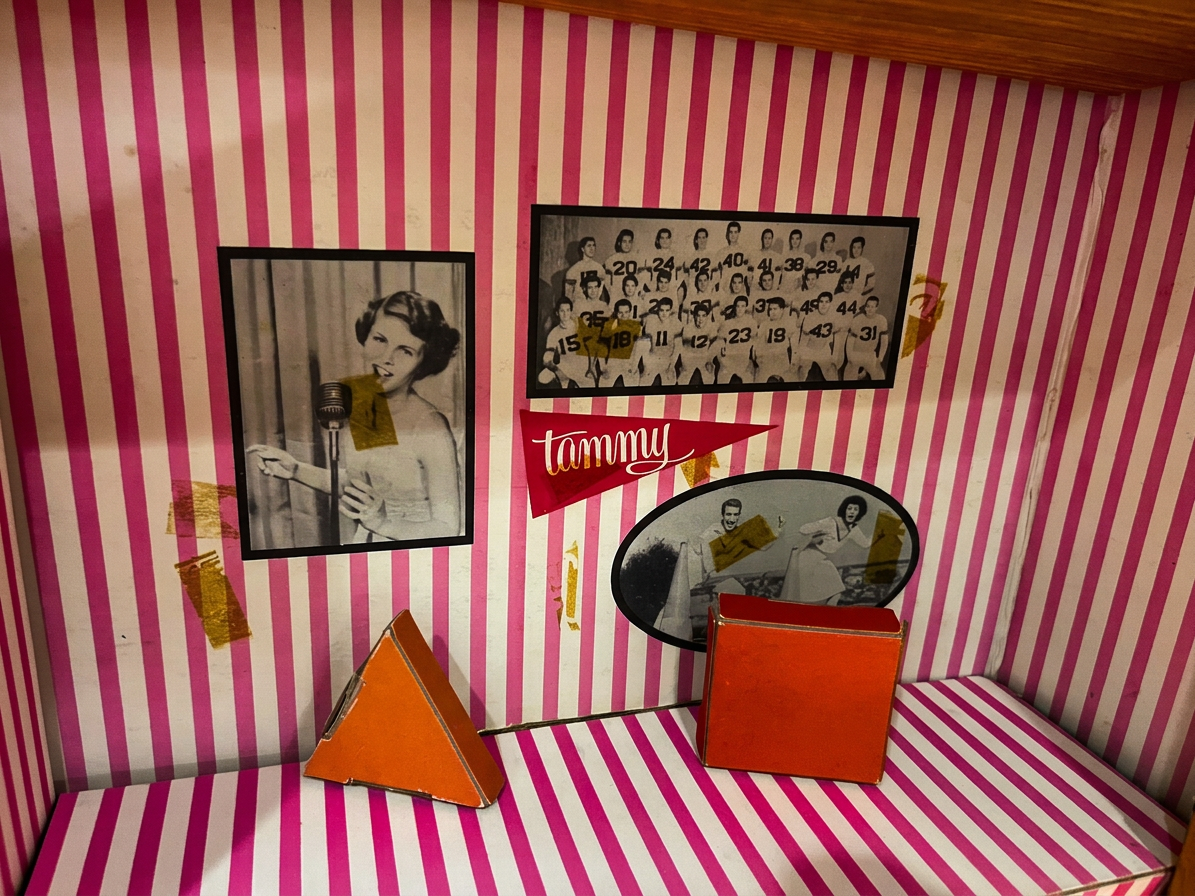
There are tiny school pennants hanging in the bedroom, framed pictures, curtains tied with pink bows, patterned wallpaper, built-in cabinetry and all sorts of illustrated details that a child could have spent hours studying.
And oh, that pink kitchen!
Today we might call this mid-century modern design. A retro. But back then, it was simply modern.
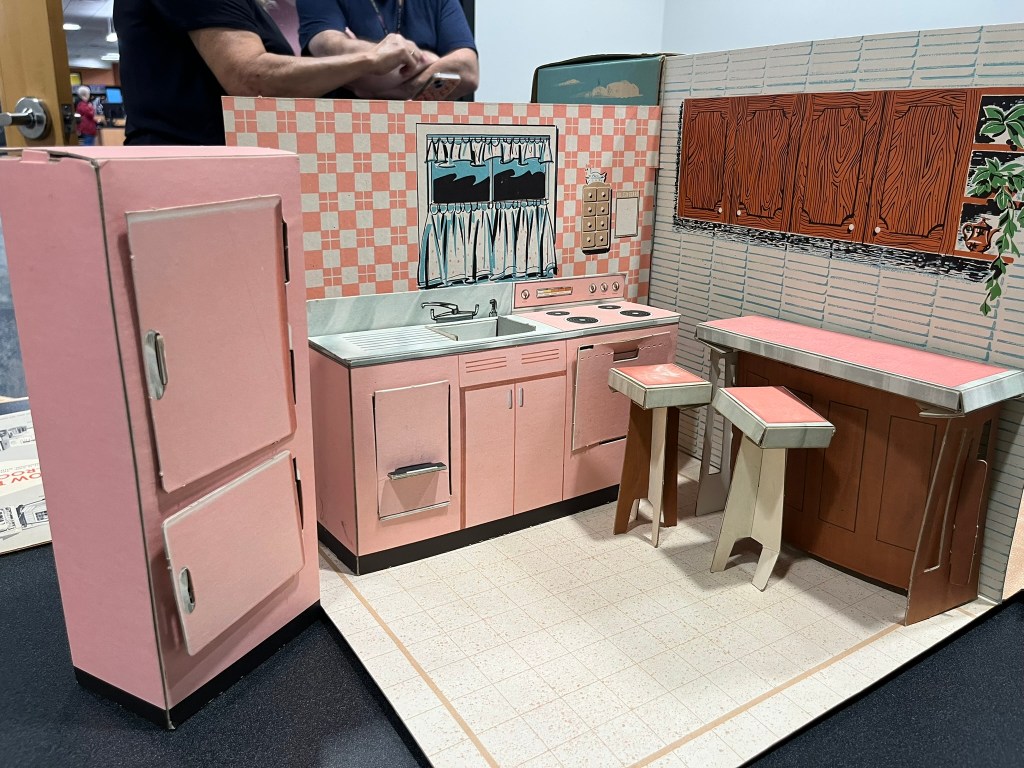
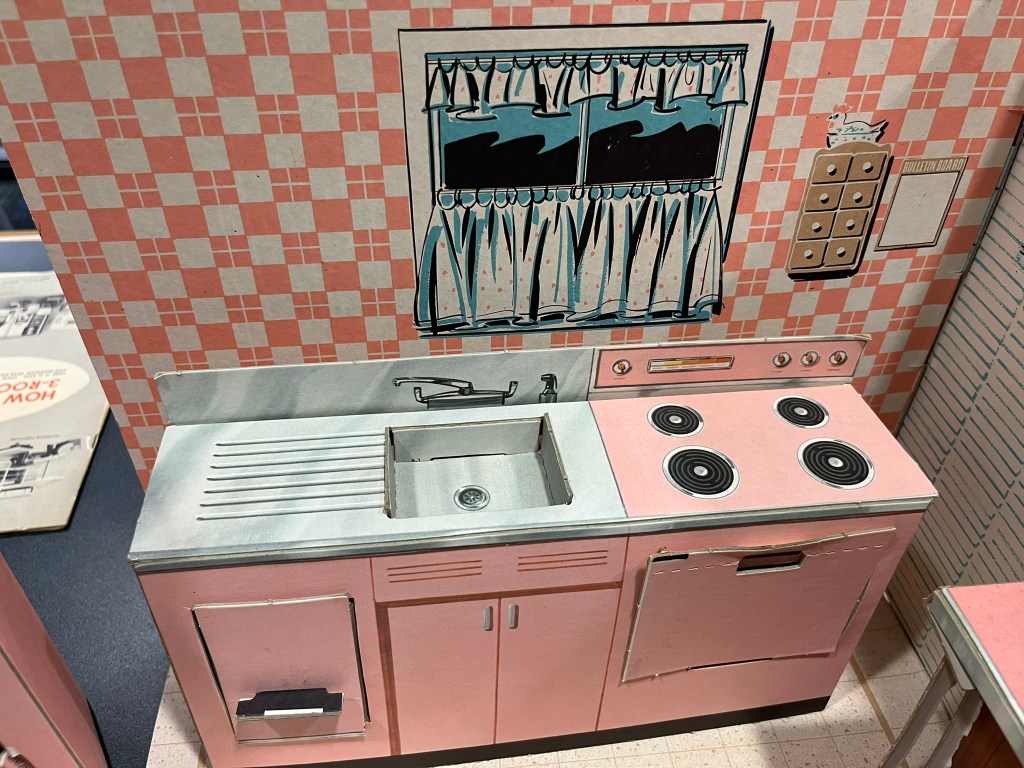
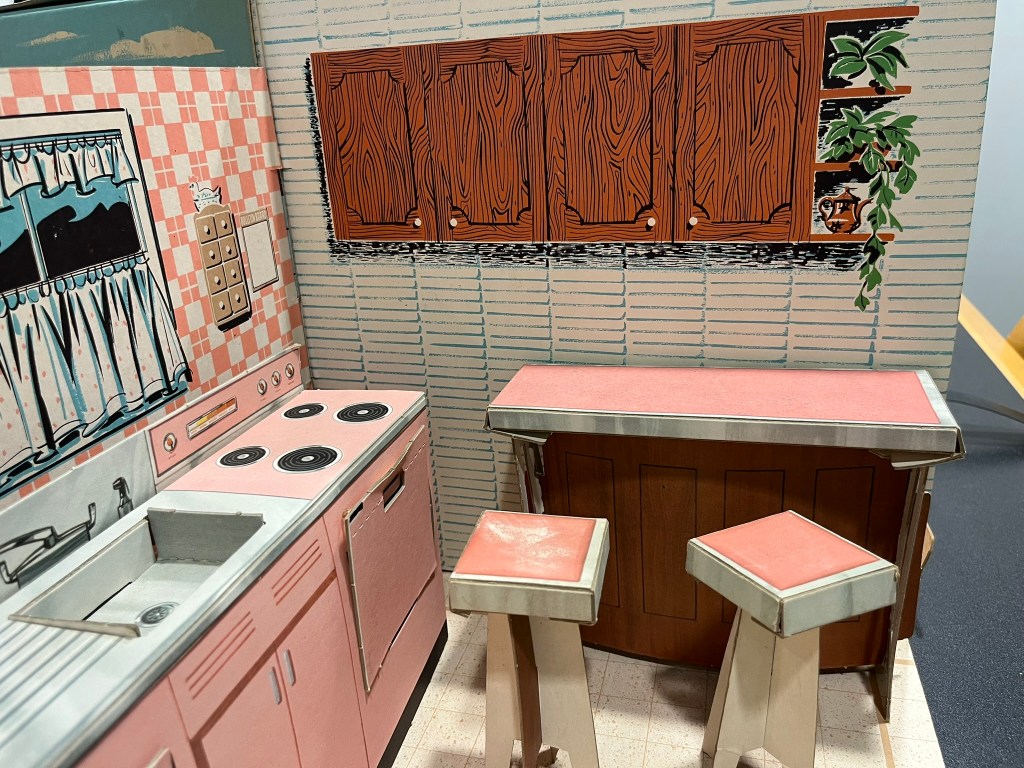
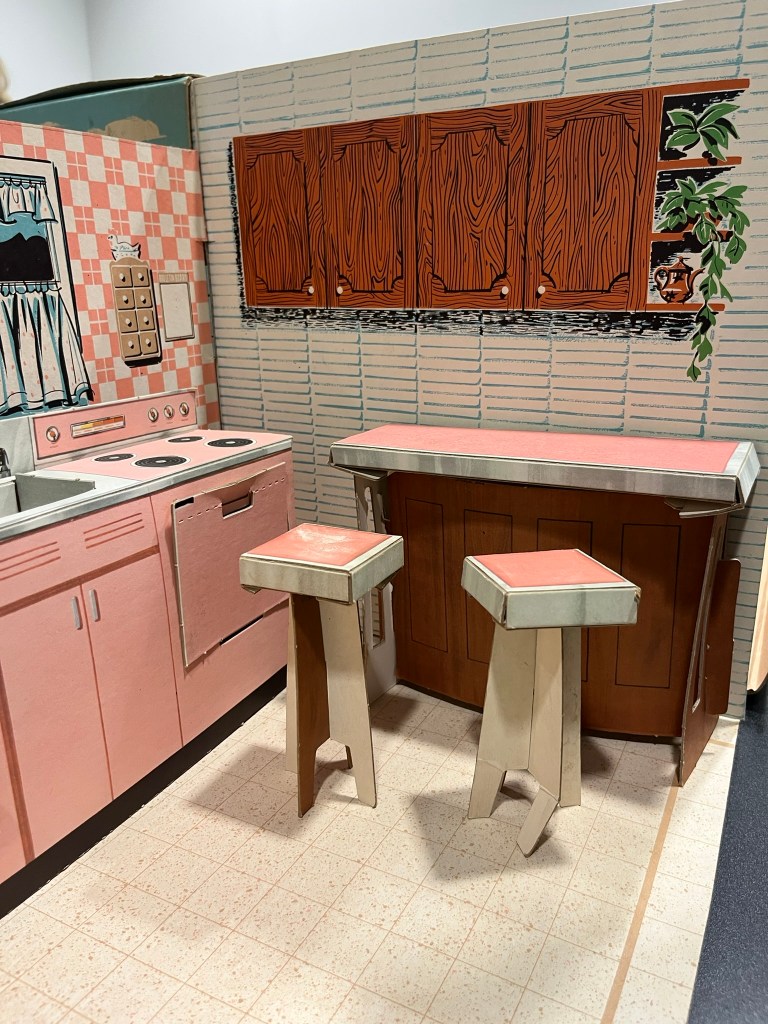
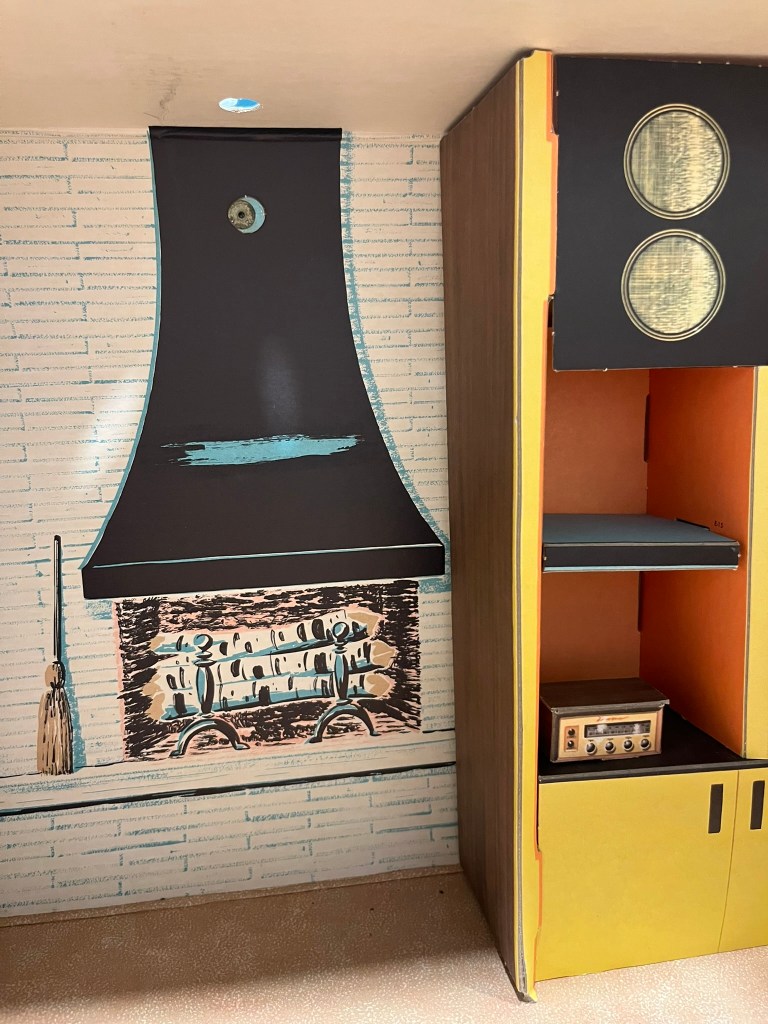
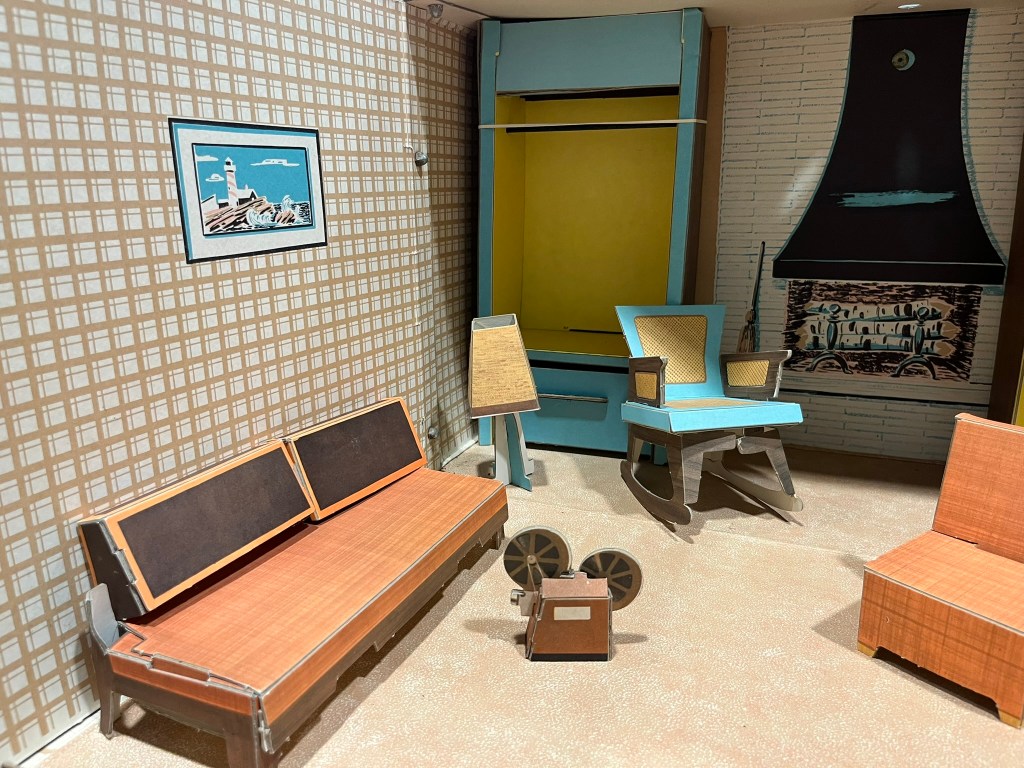
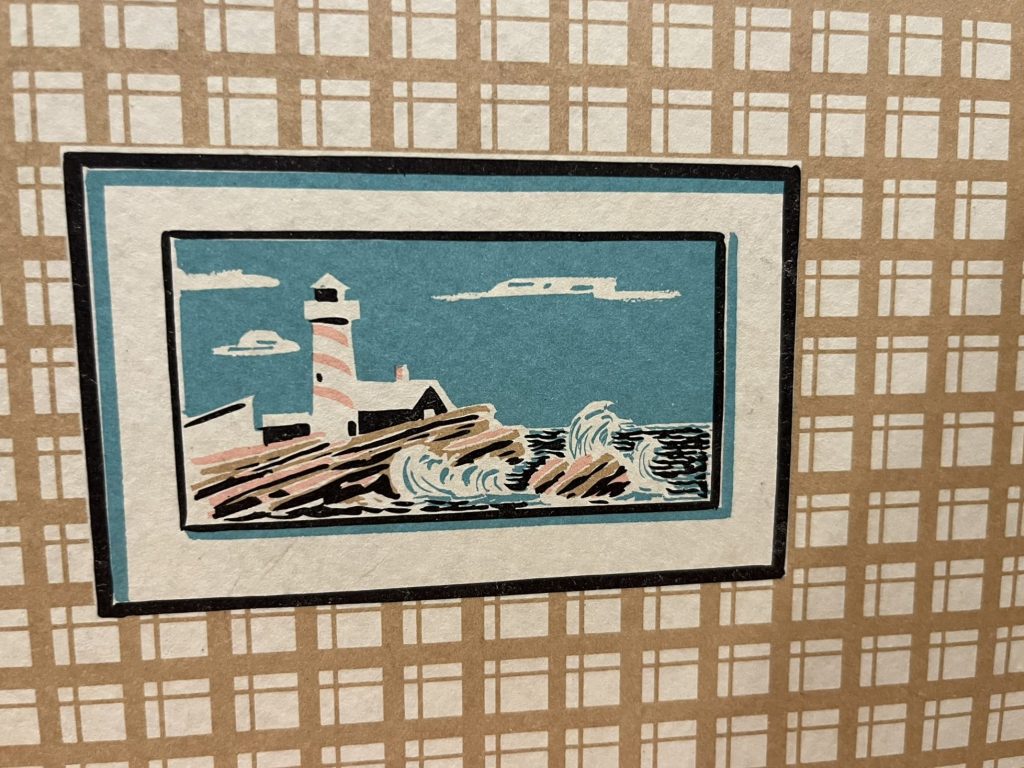
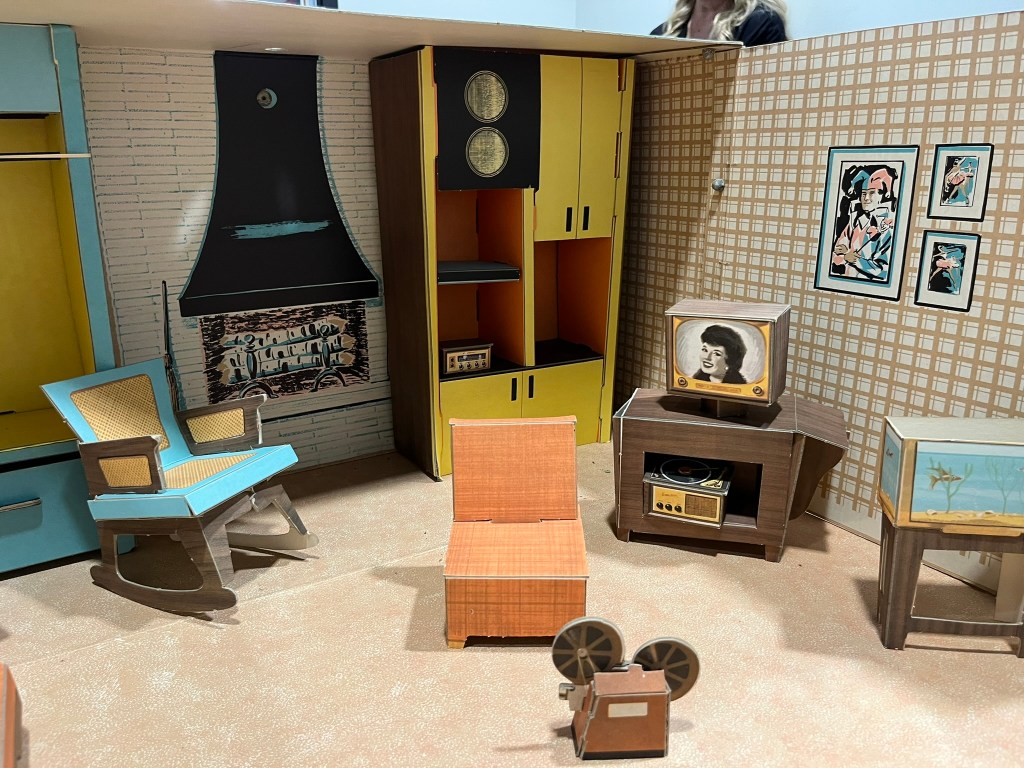
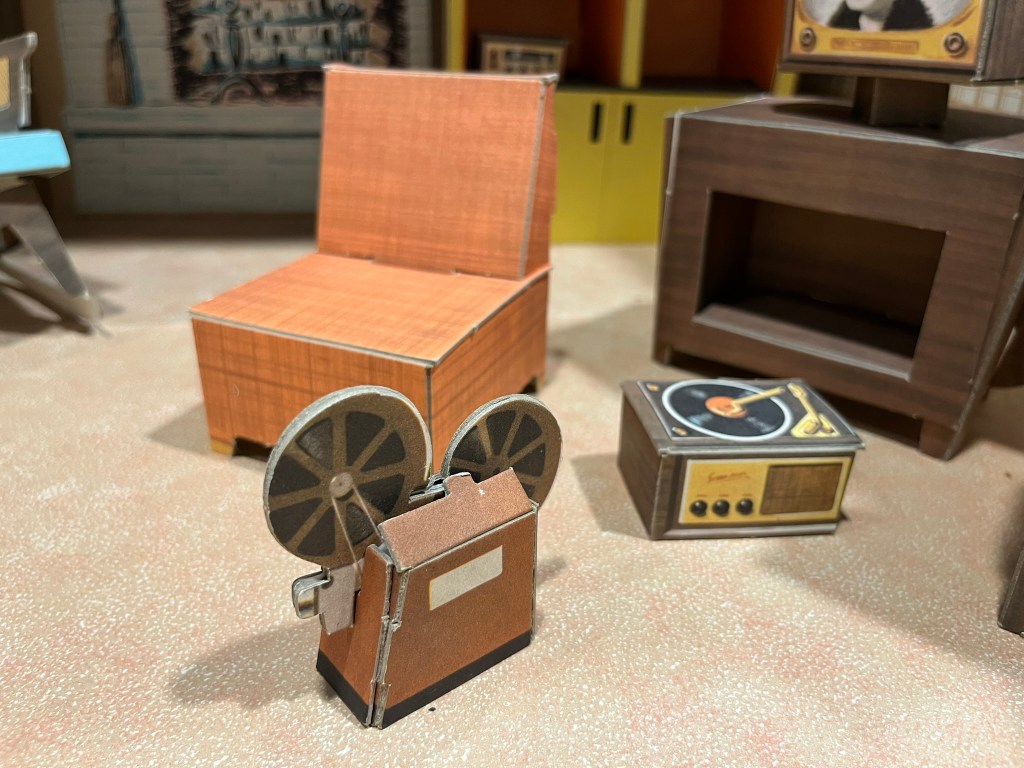
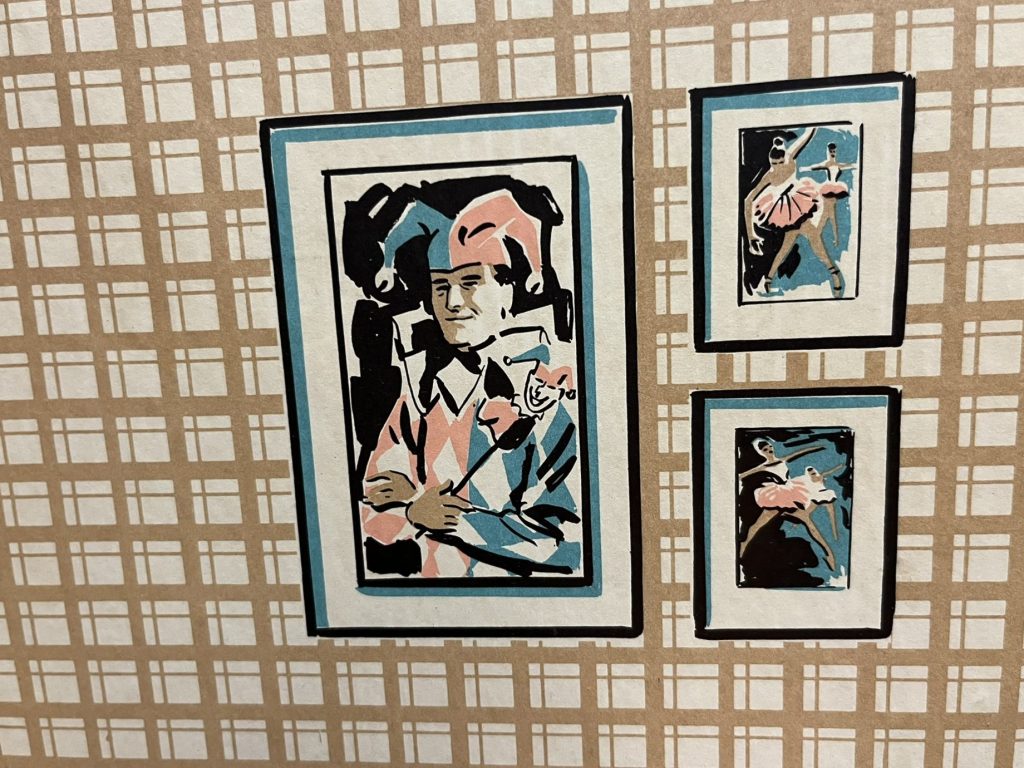
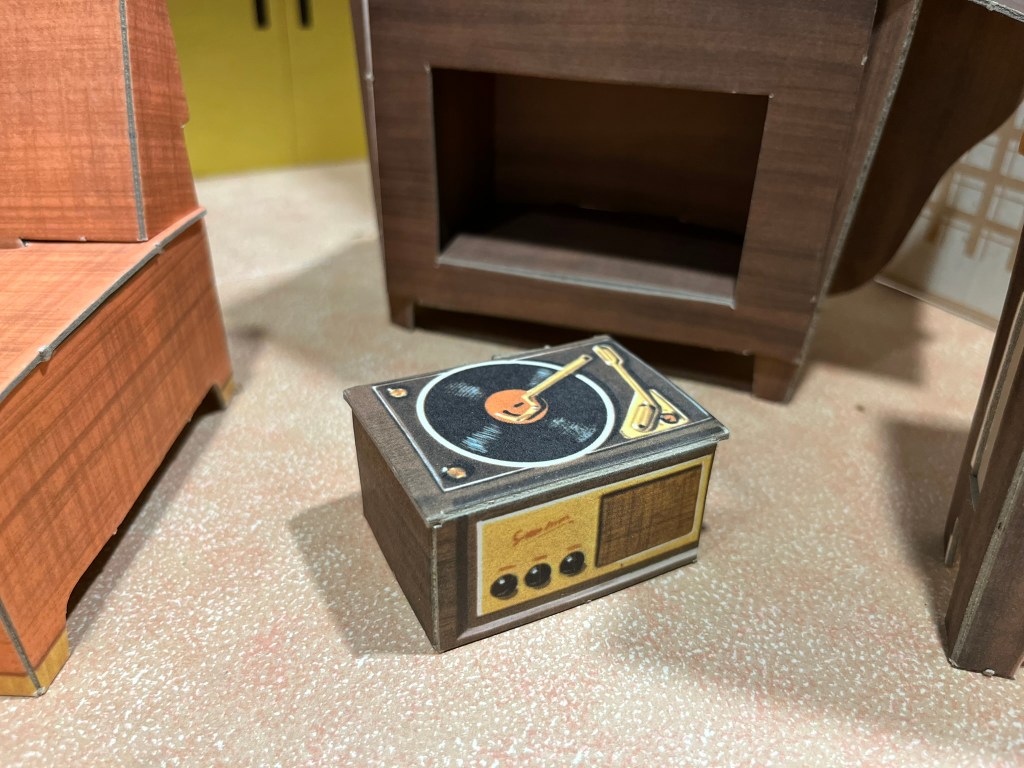
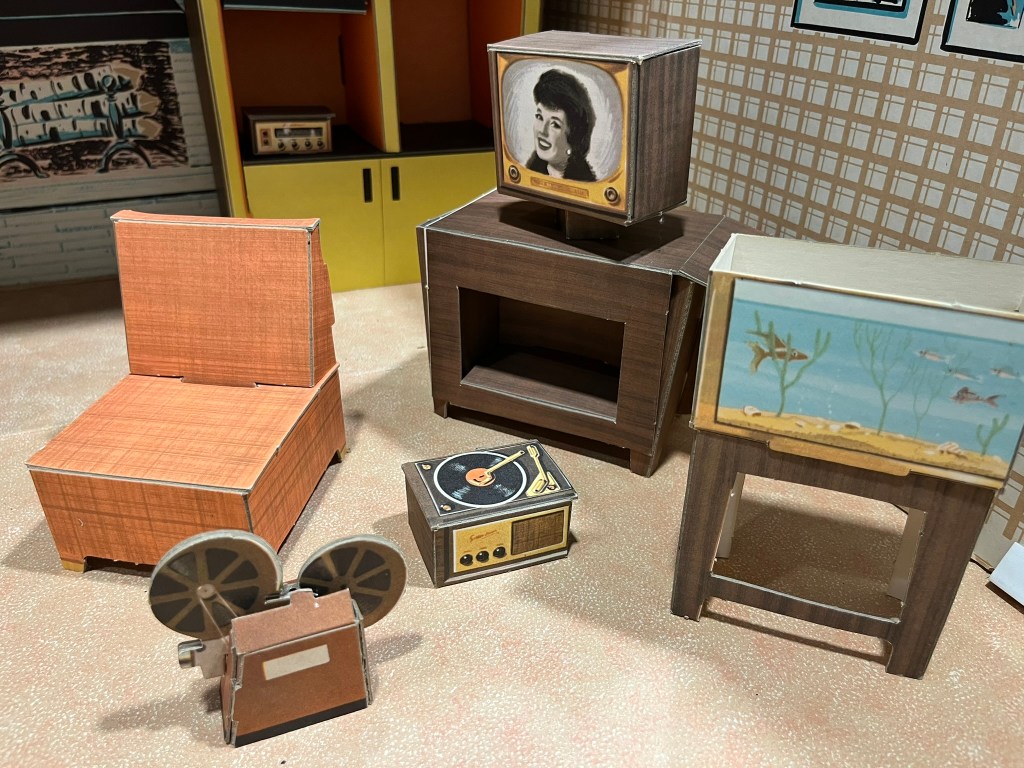
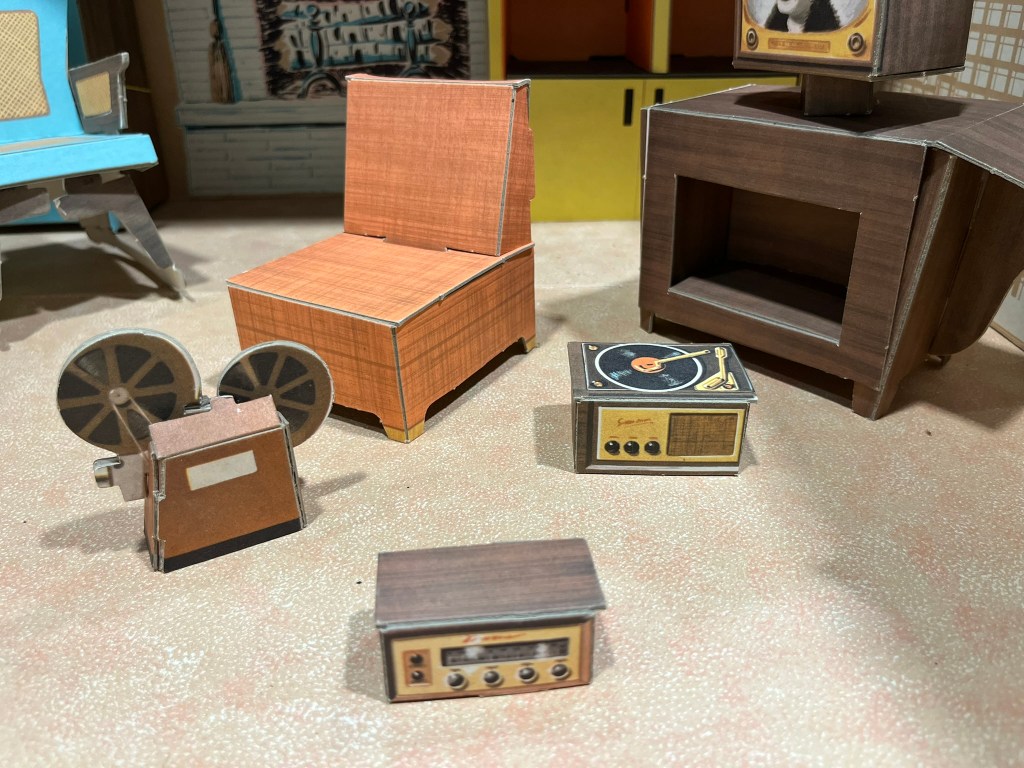
There are so many little details to take in. Every time I looked closer, I spotted something else!
The living room wasn’t furnished with just a chair and television. It had an entire miniature world of 1960s entertainment—all created from printed and folded cardboard.
There’s a tiny television set, a record player with a record on the turntable, a reel-to-reel tape recorder, a radio tucked into the built-in wall unit, and even an aquarium complete with tiny fish, plants, and gravel!
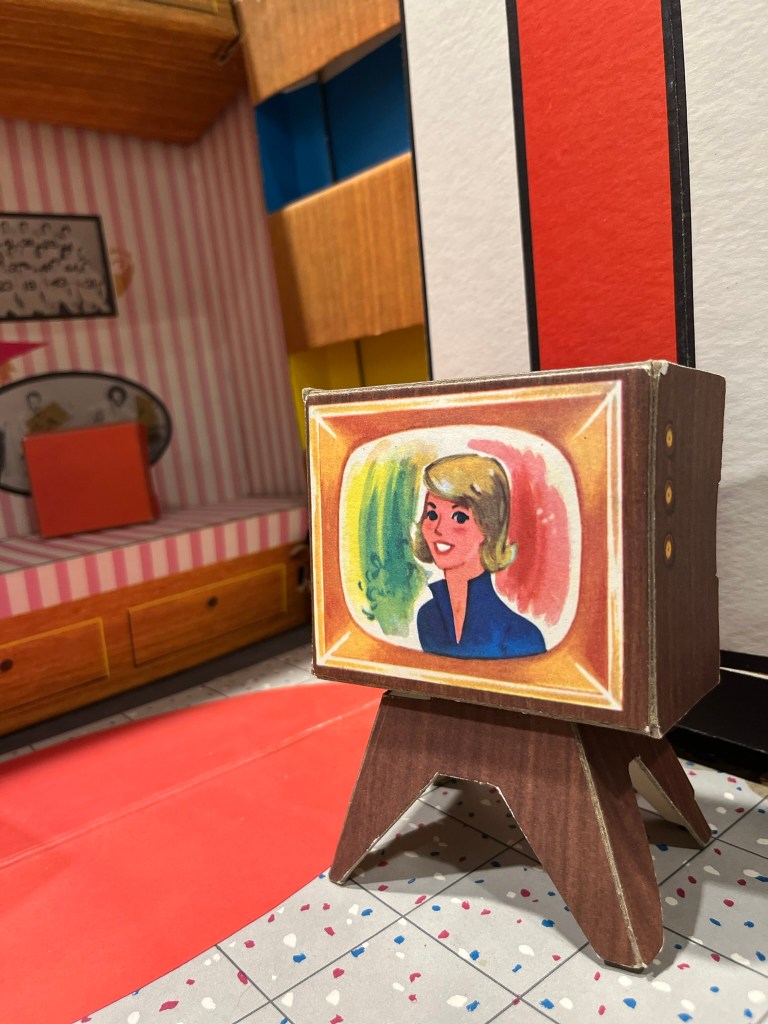
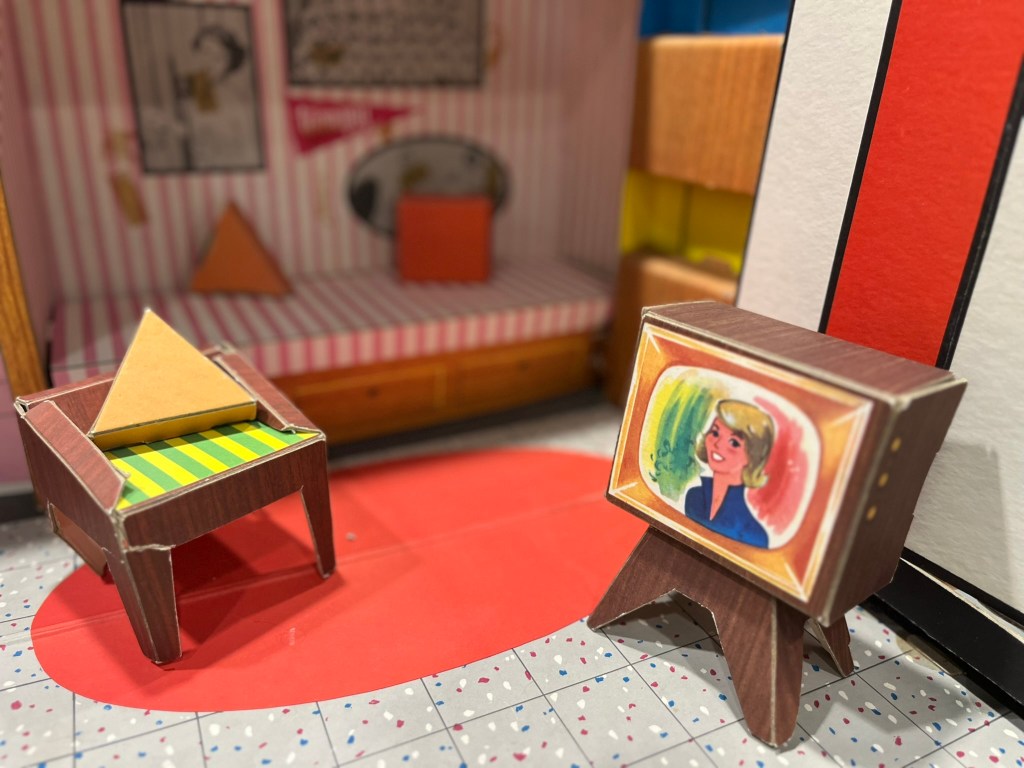
I especially love the television. Instead of leaving the screen blank, the toy designers illustrated a glamorous woman with an early-1960s bouffant hairstyle, as though the family had been watching a favorite program.
Even the reel-to-reel recorder has individual reels and a little crank. The record player has its tonearm positioned over the record, and the aquarium has its own mid-century stand. These details didn’t have to be there, but someone took the time to design them anyway.
For a toy that originally sold for only $5.99, there was an extraordinary amount of imagination and artistry packed into it. All those illustrations helped turn simple printed cardboard into a tiny house that felt like a real home.
And that’s what makes seeing one in person so special. This wasn’t created to become a collectible. It was made to be unfolded across the floor, played with, and filled with whatever stories a child’s imagination could invent.
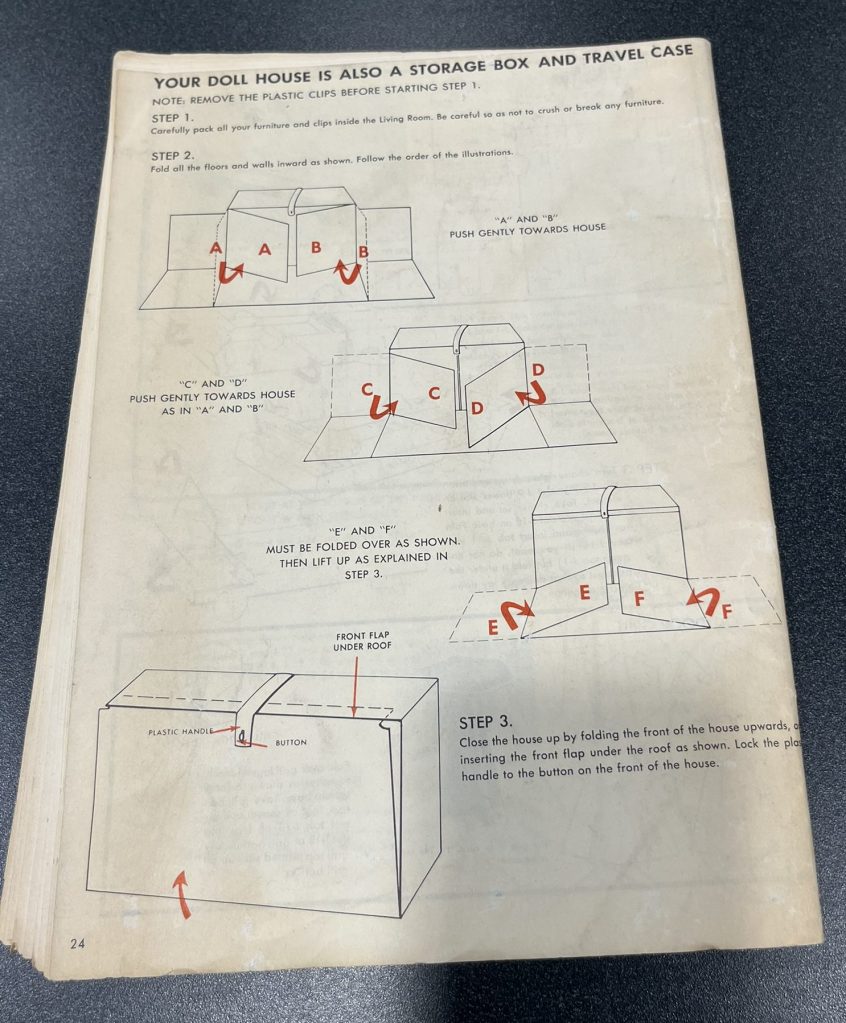
What impressed me most was how much remains today—not only the house, but so many of its original furnishings and even the instruction booklet!
Sharing the experience with Sally and her daughter at the library made it even more meaningful. We opened those old cardboard rooms together, noticing one charming detail after another. This wasn’t simply a vintage dollhouse anymore. It was part of their family’s story.
More than sixty years later, this little house has become something its designers probably never imagined: a piece of childhood history and a family legacy.
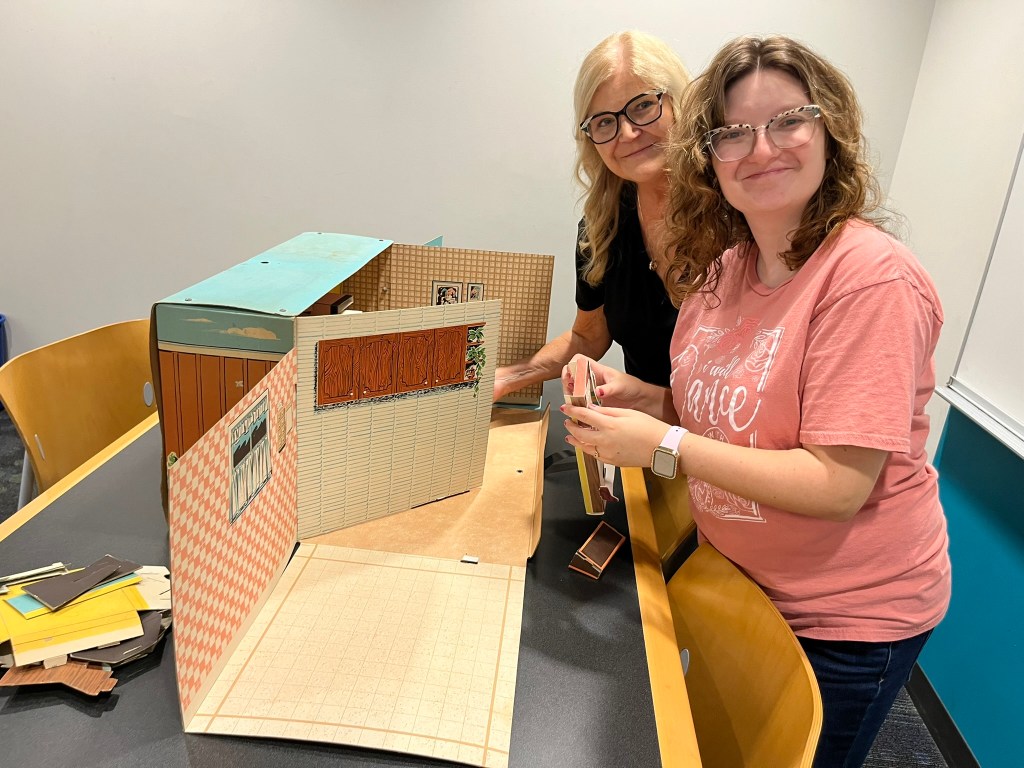
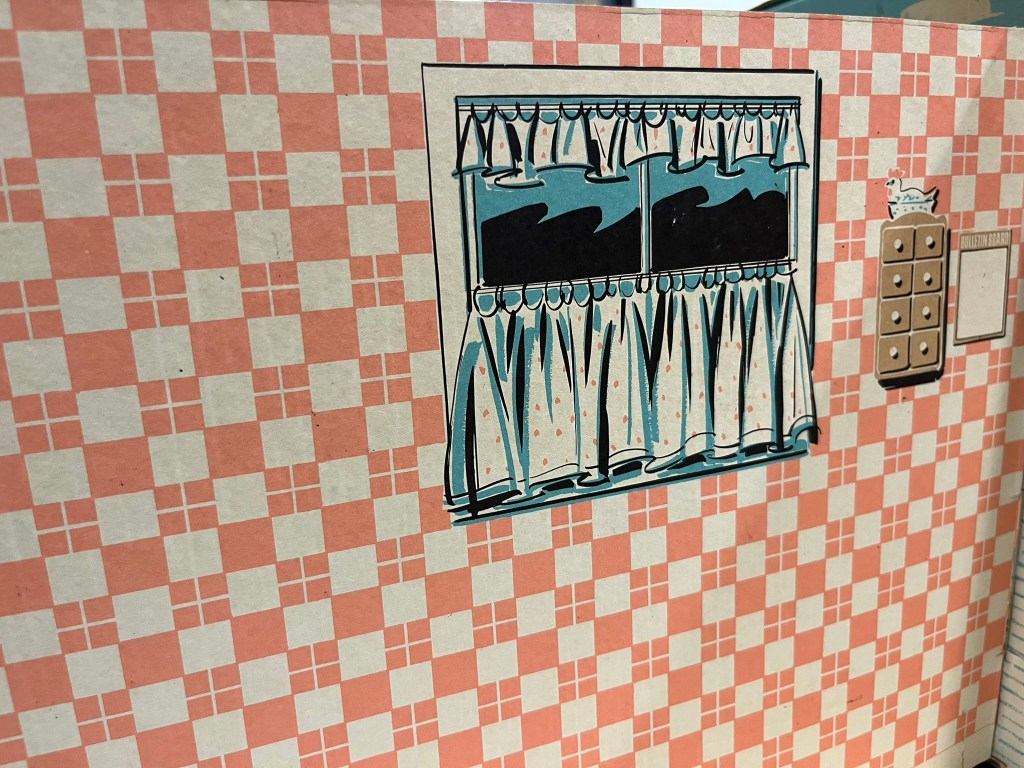
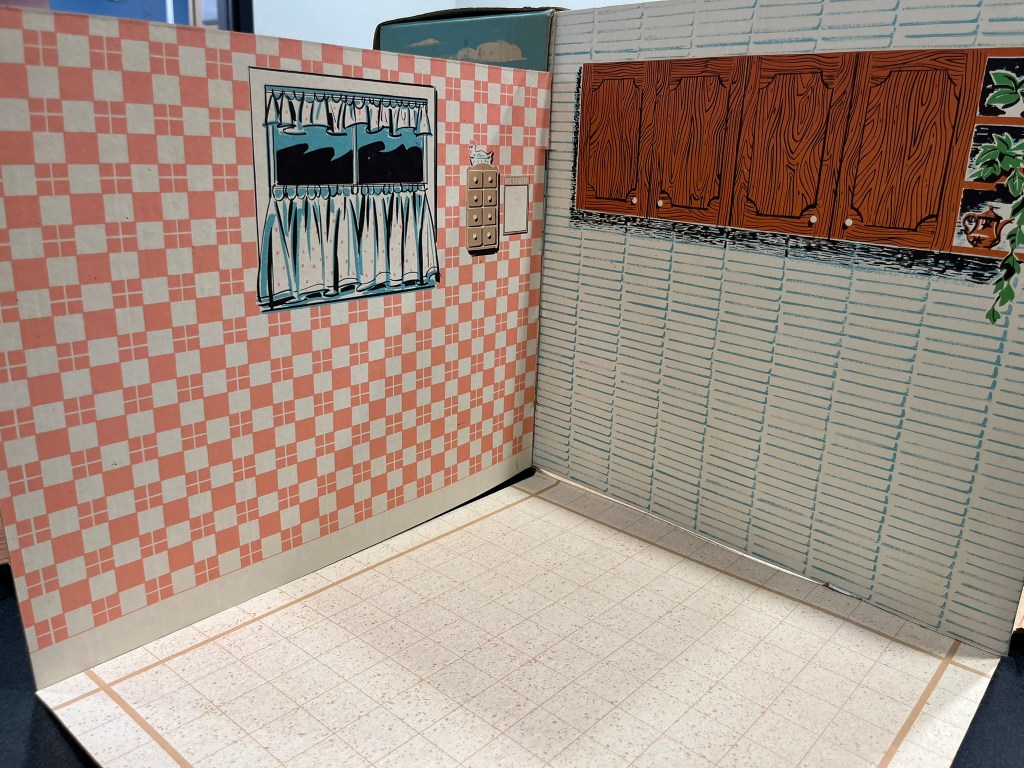
That’s when an old dollhouse becomes something more than a collectible. It becomes a family legacy.
Maybe that’s why I love old dollhouses so much. Their scratches, worn edges, and faded colors aren’t necessarily flaws. They’re signs of a toy that was played with, loved, and treasured enough to keep.
Miniature houses don’t just preserve tiny rooms. They preserve childhood, memories, and—when we’re lucky—a family’s story from one generation to the next.
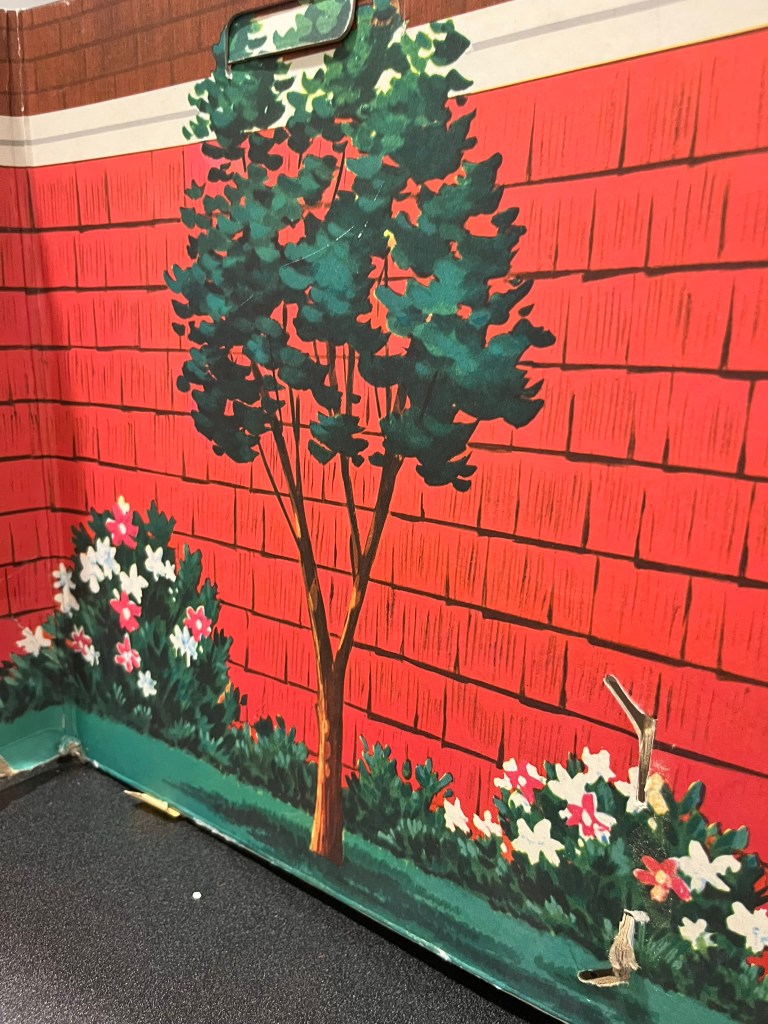
What a wonderful opportunity!
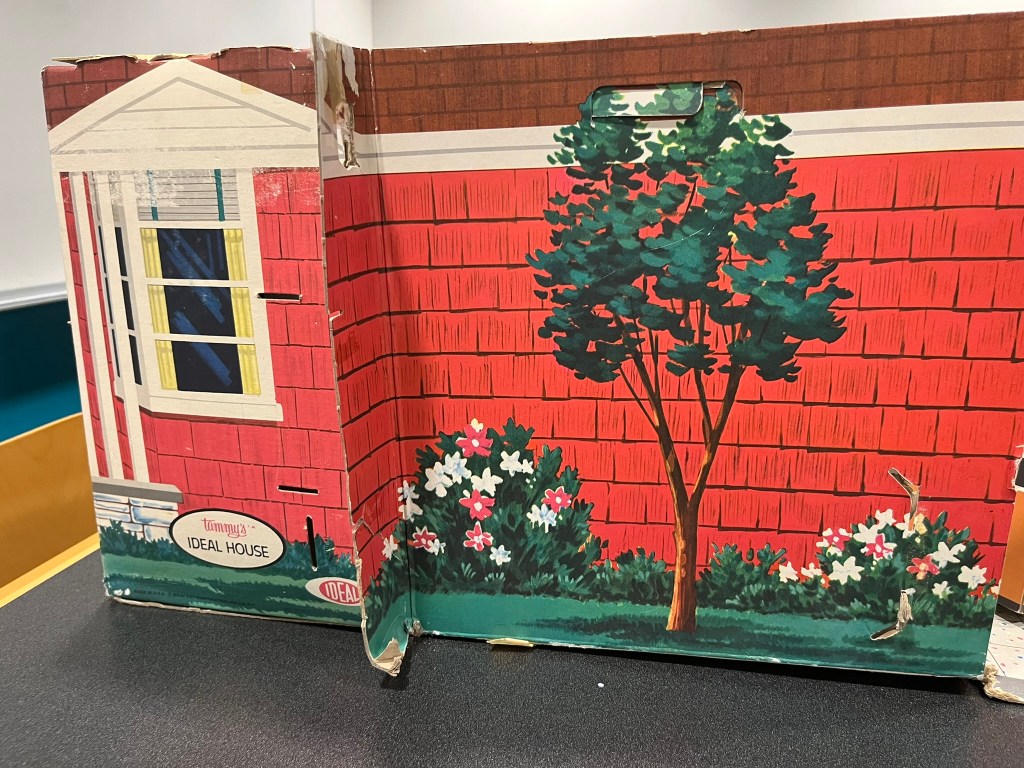
When I learned that a local dollhouse collector named Sally owned an original Tammy’s Ideal House, I asked if she would be willing to meet at a local library so I could see it in person.
To my delight, she said yes!
Sally and her daughter were so kind to bring this wonderful vintage dollhouse to the library and carefully set it up for me. I honestly couldn’t thank them enough for giving me the opportunity to see and photograph it up close.
A real little time capsule!
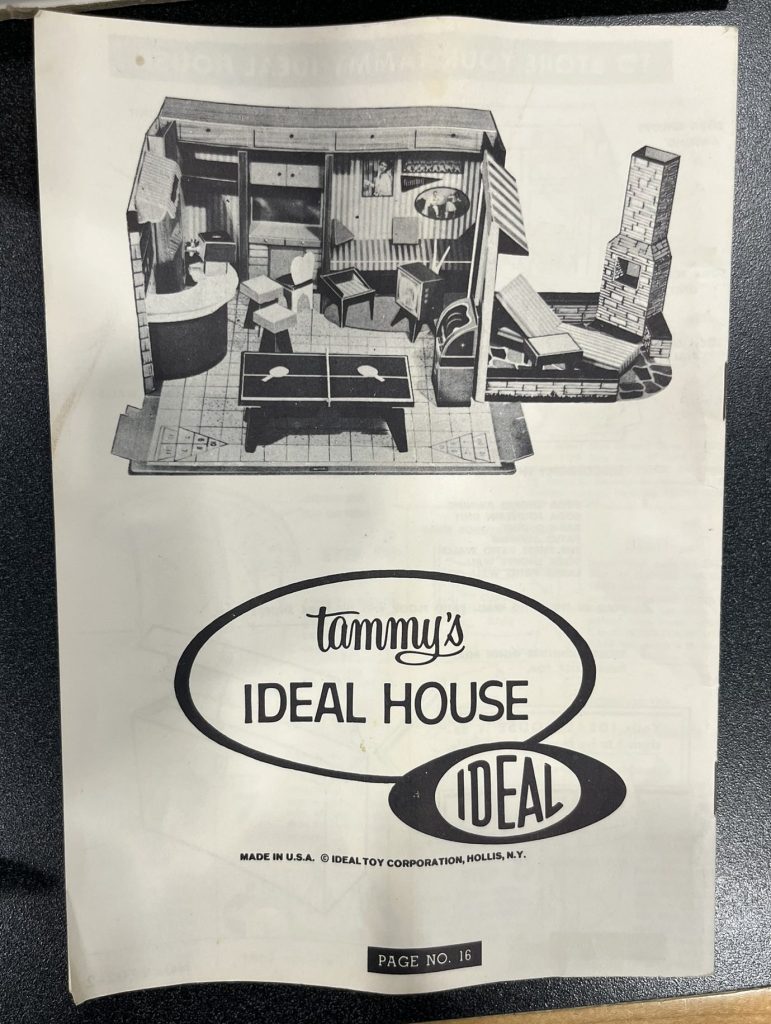
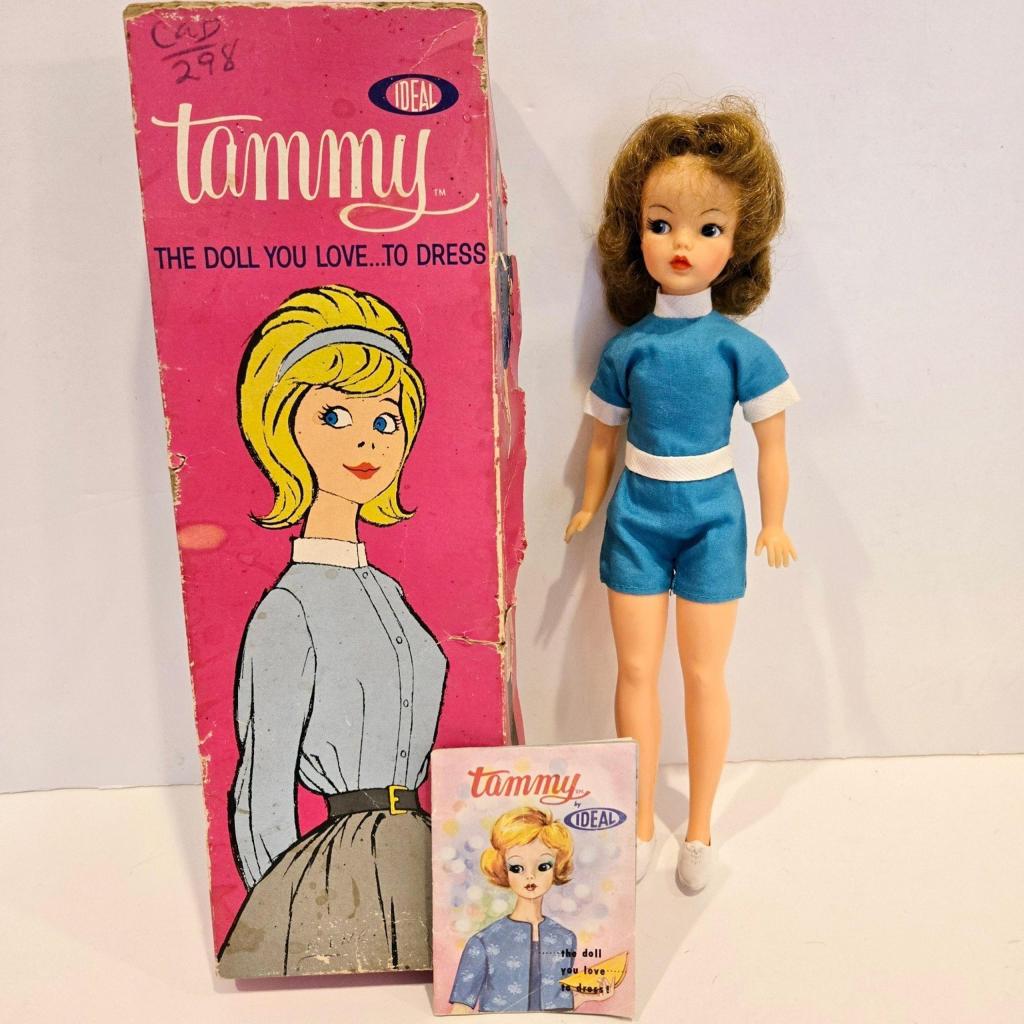
Tammy’s Ideal House was produced by the Ideal Toy Corporation in 1963, during the early years of the teenage fashion-doll craze. Tammy was Ideal’s teenage fashion doll and a competitor to Barbie. In 1963, Ideal produced two related house playsets: a larger Ideal house that was advertised for Tammy or Barbie, and this wonderful playset made especially for Tammy.
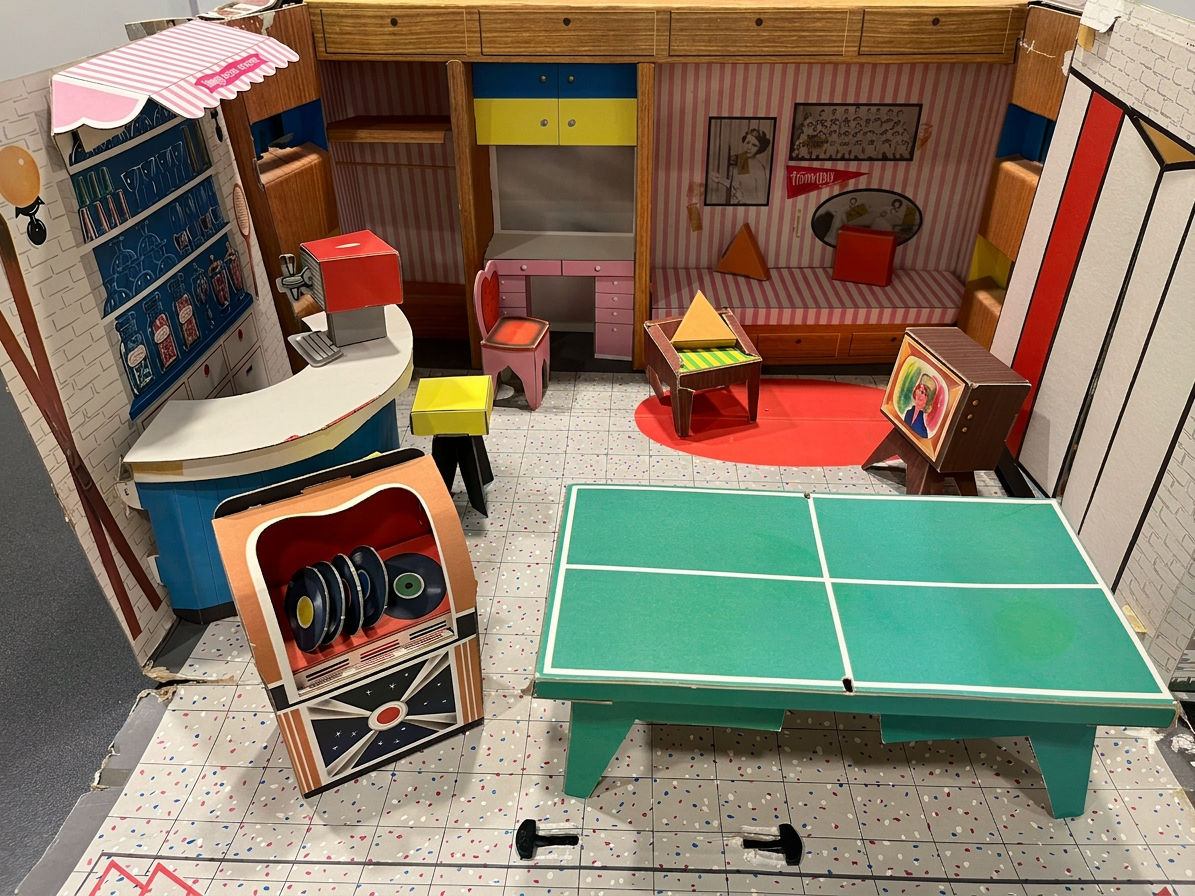
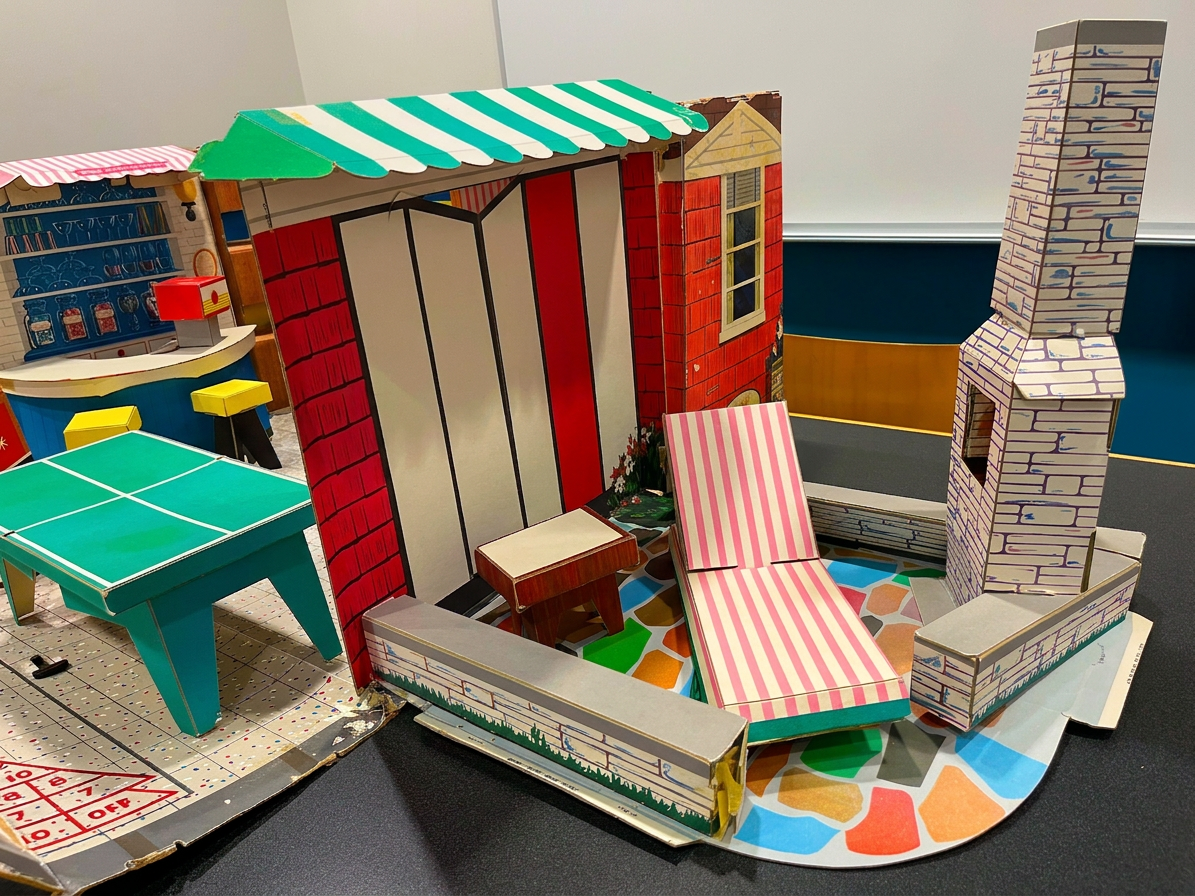
Despite being called a “house,” Tammy’s version is really more like the ultimate 1960s teenage recreation room and patio. Another collector has described it the same way—a playroom rather than a conventional dollhouse.
And just look at what Tammy had!
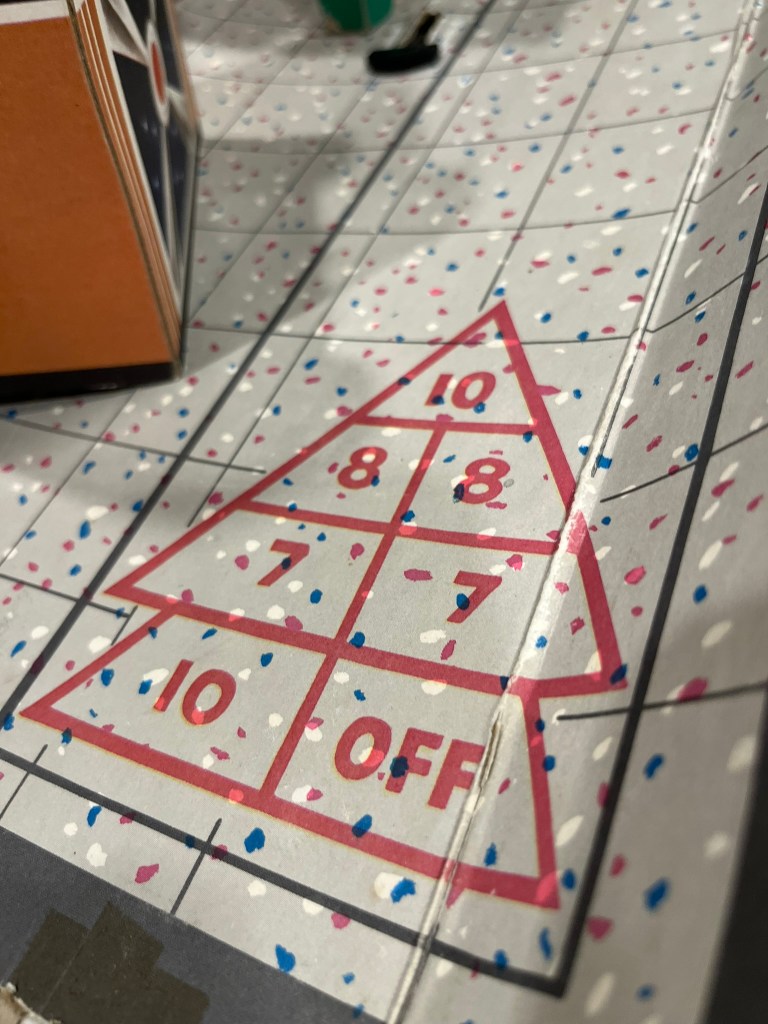
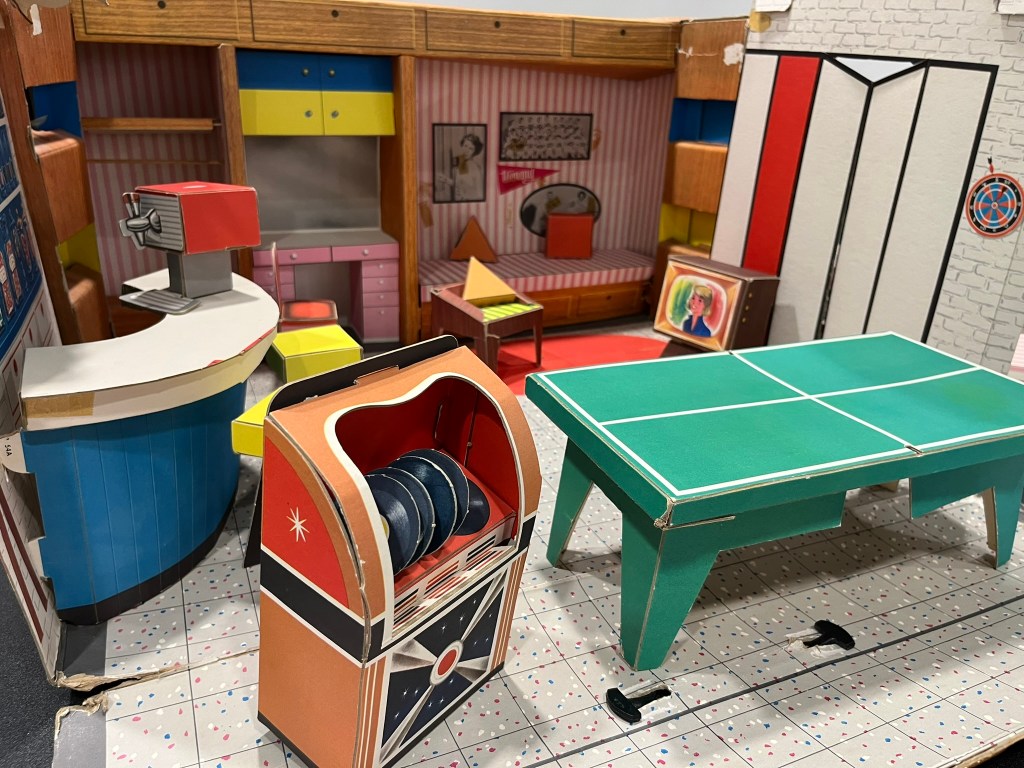
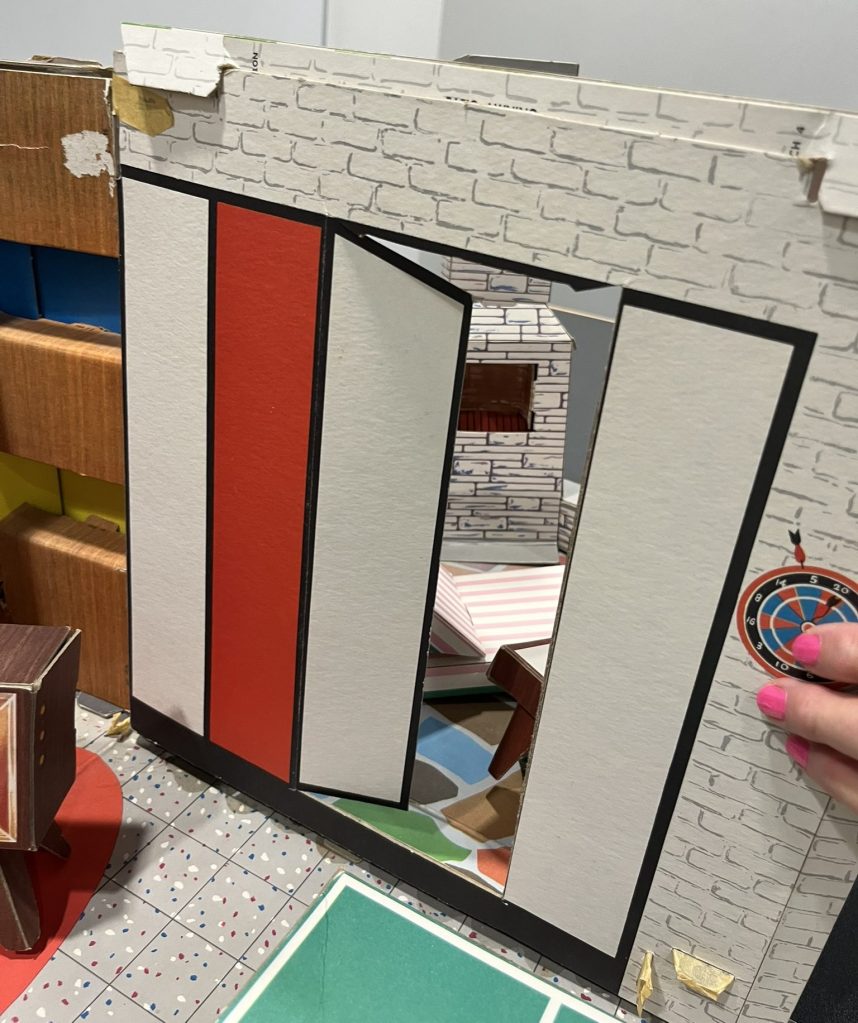
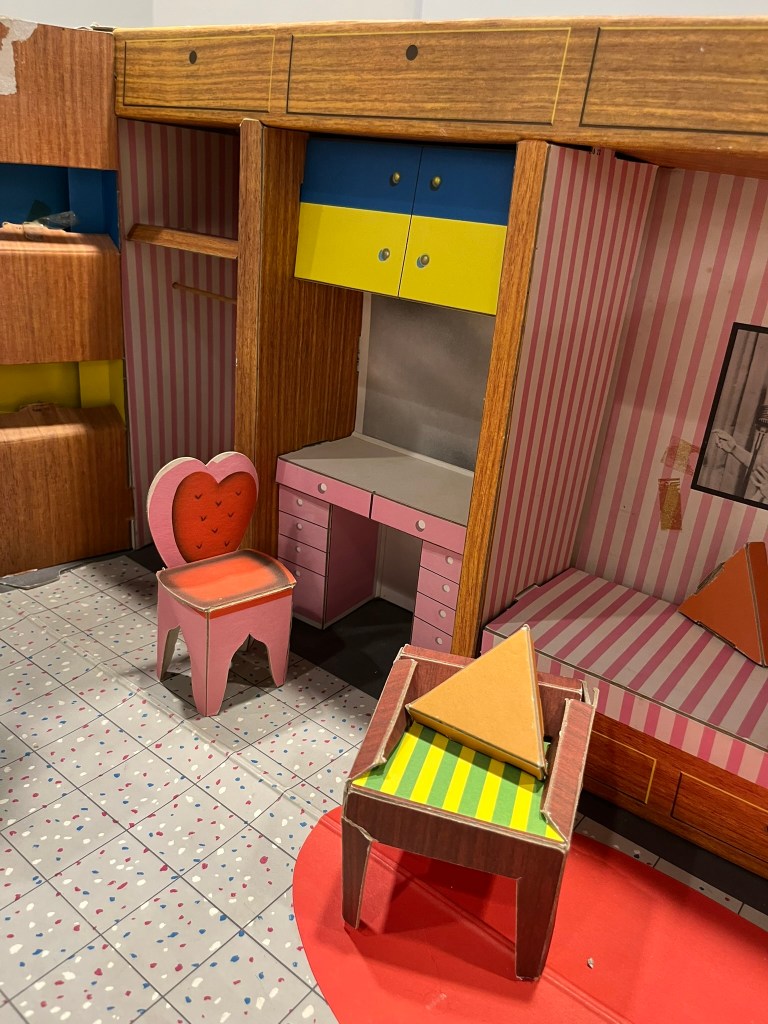
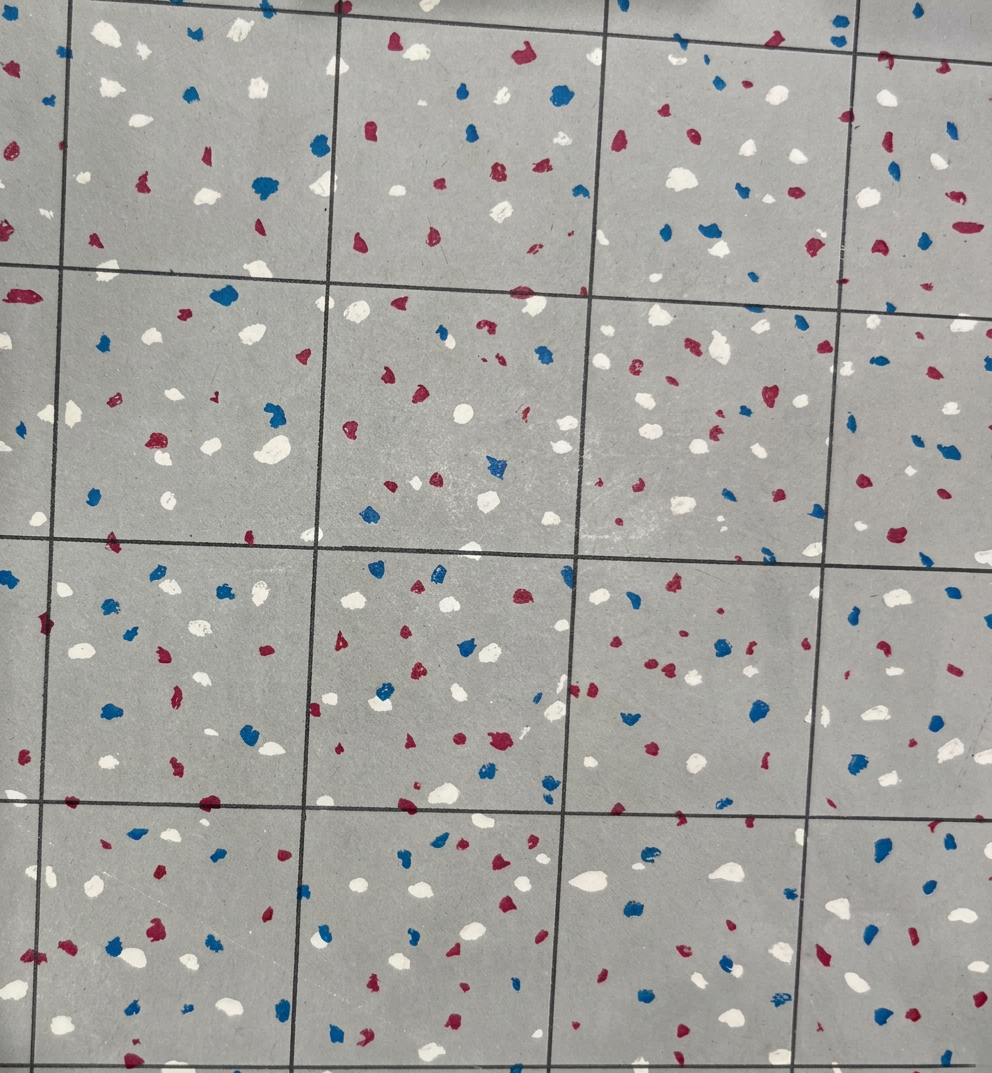
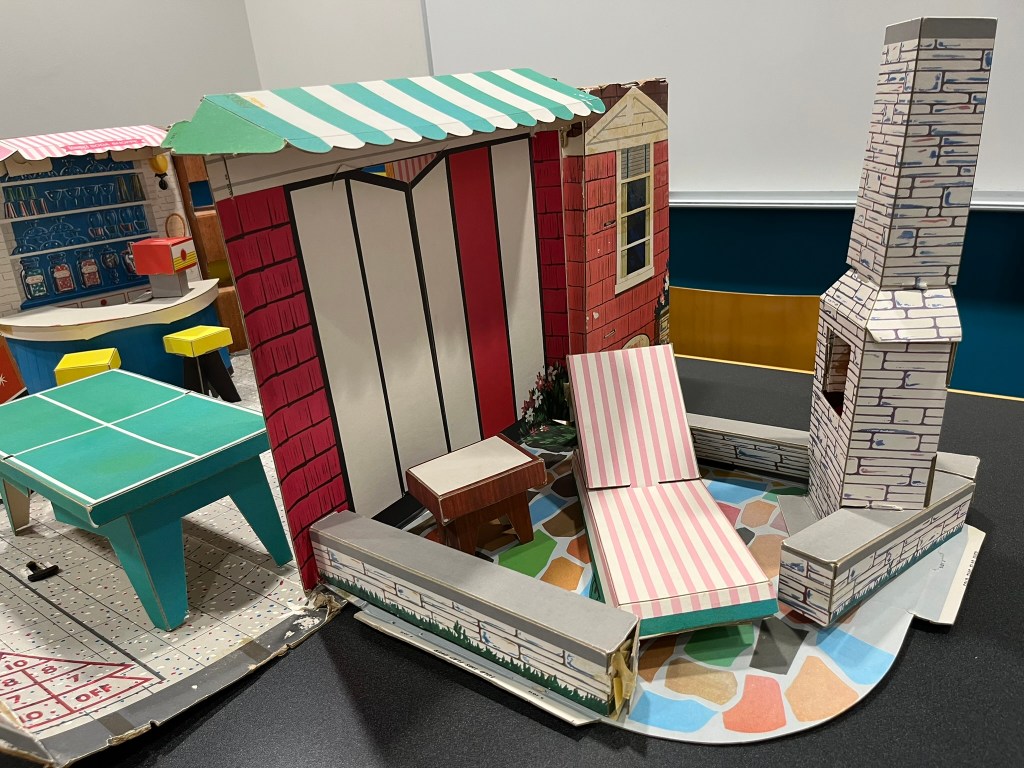
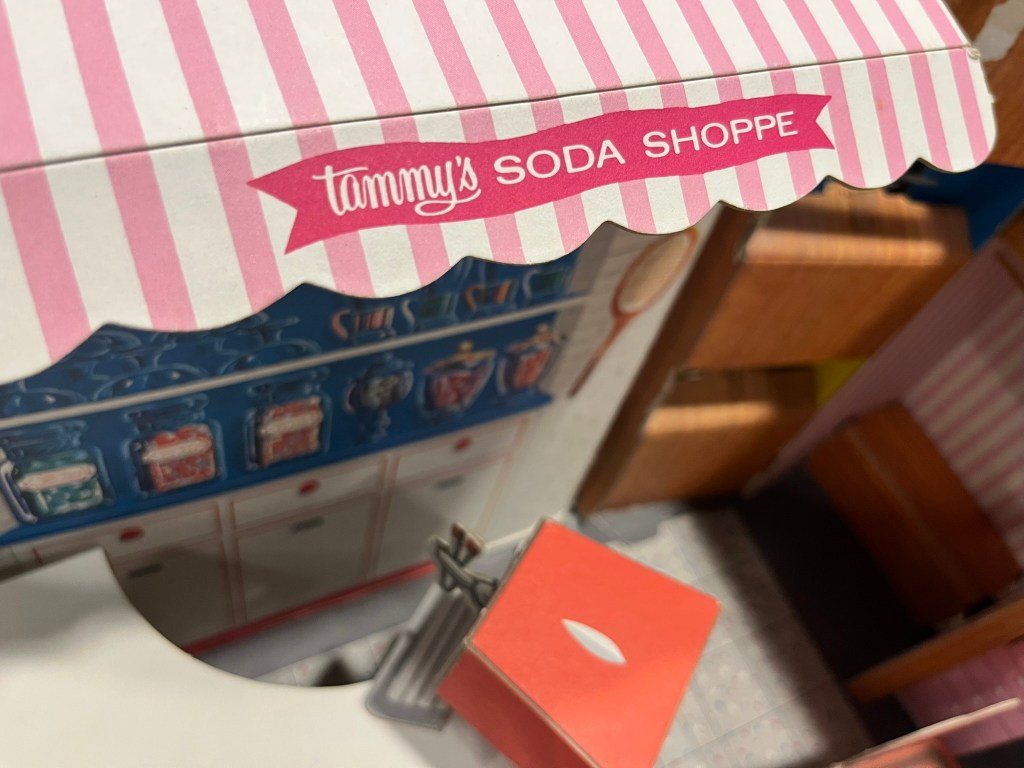
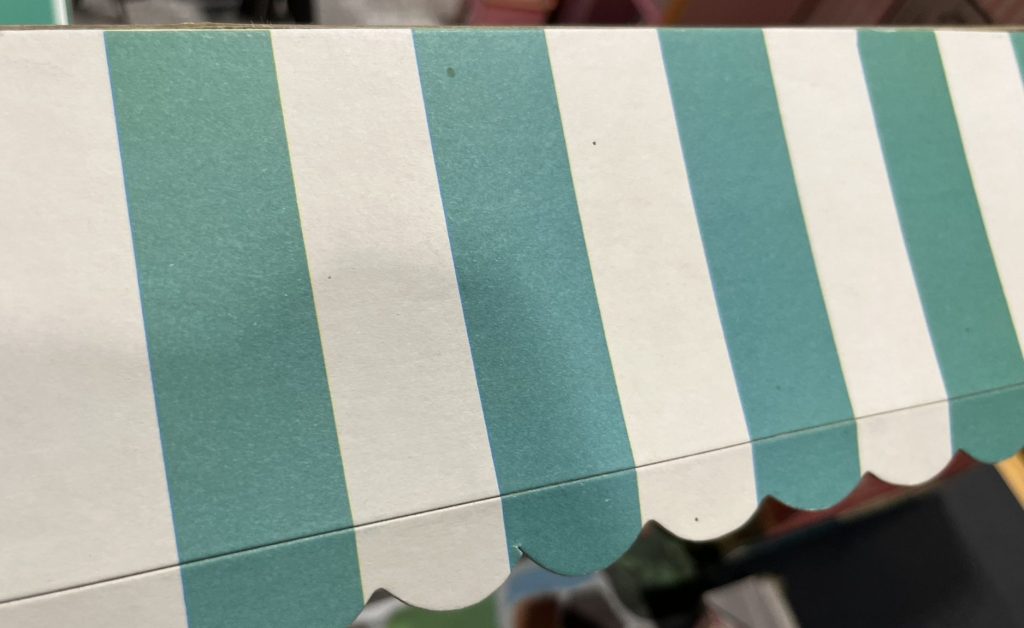
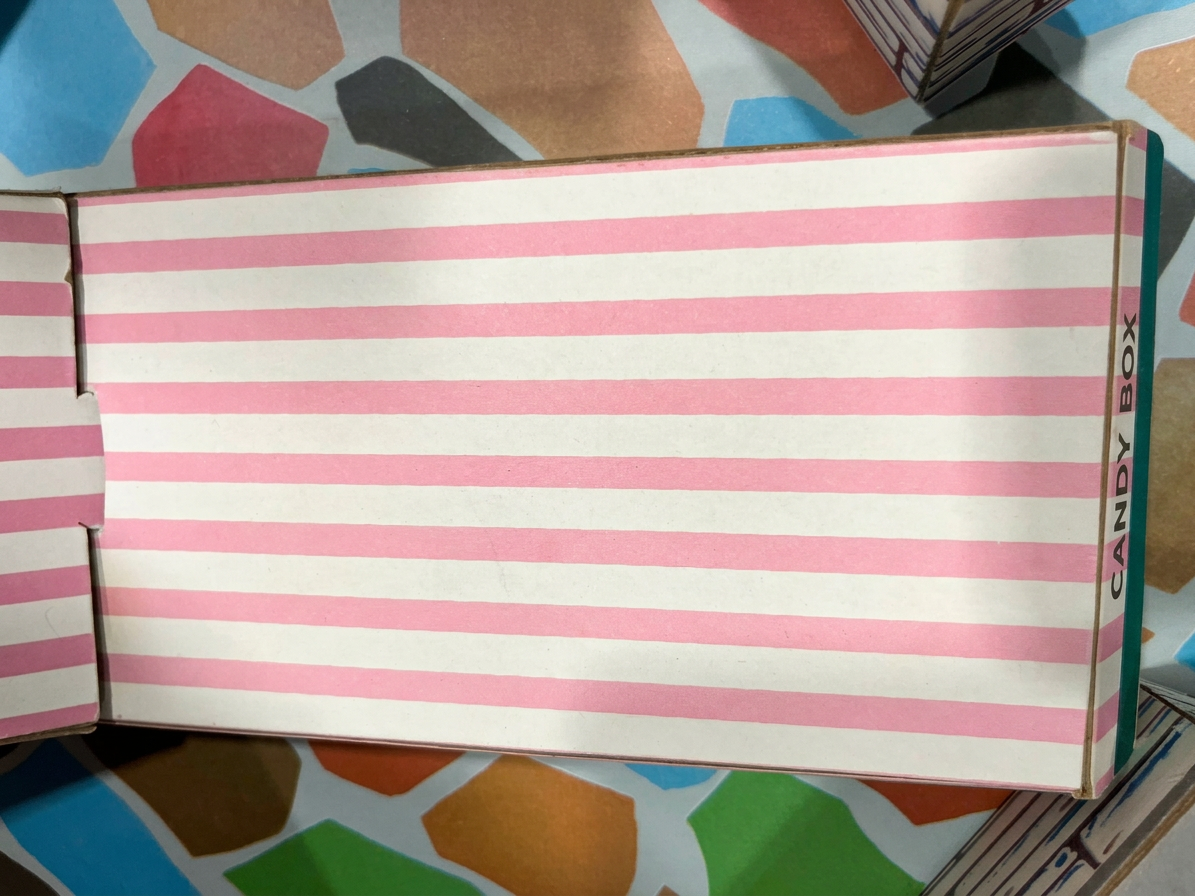
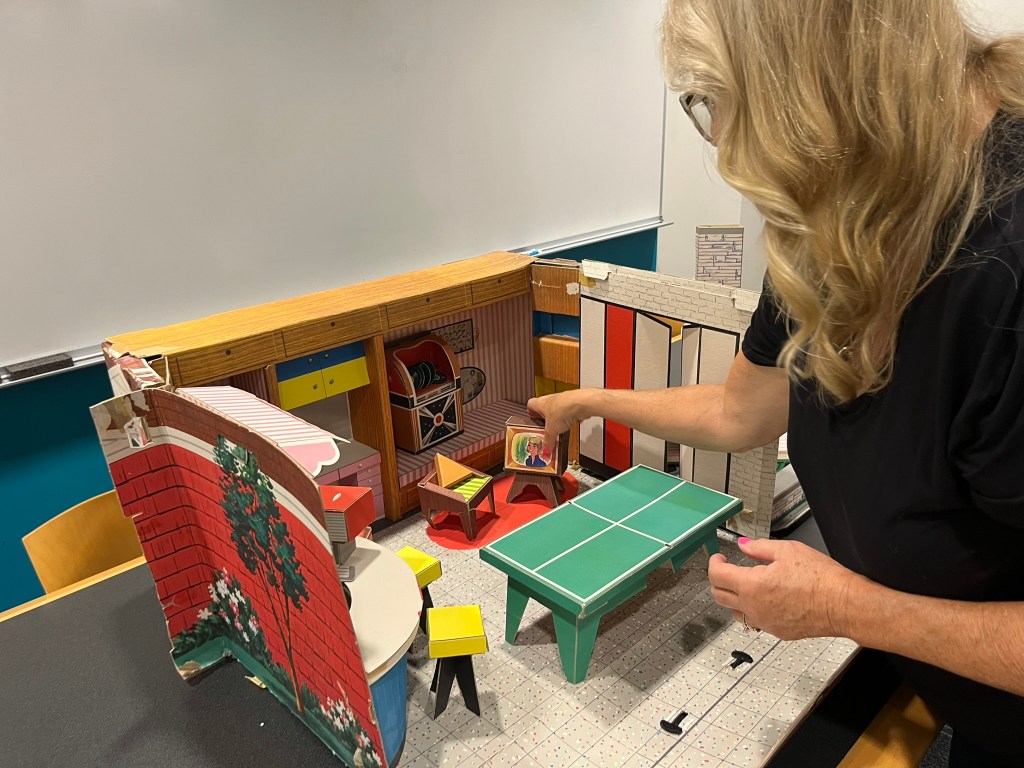
There was a soda fountain, jukebox, ping-pong table, shuffleboard, built-in desk, television, colorful Mid-Century furniture and an outdoor patio area with a fireplace/barbecue.
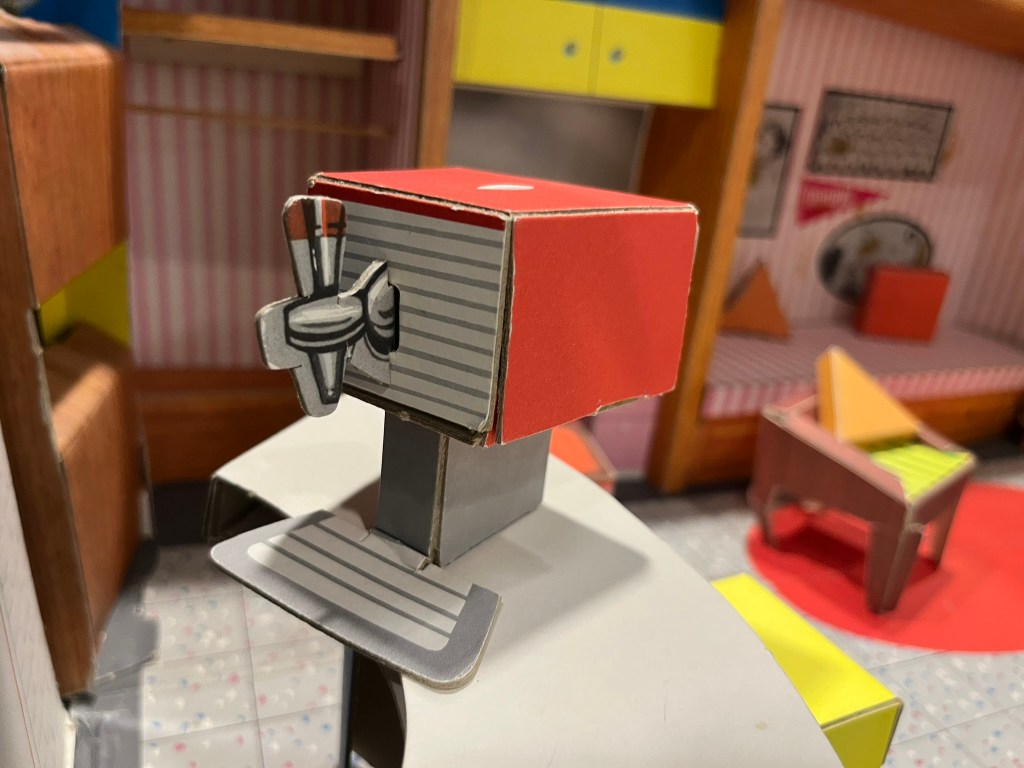
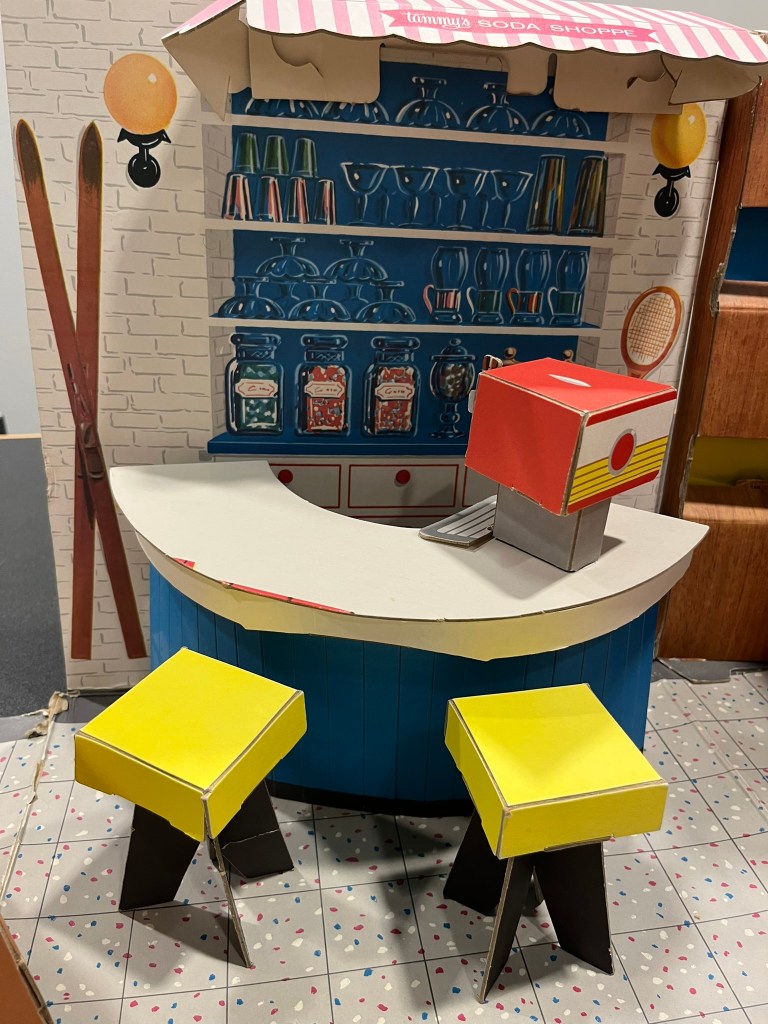
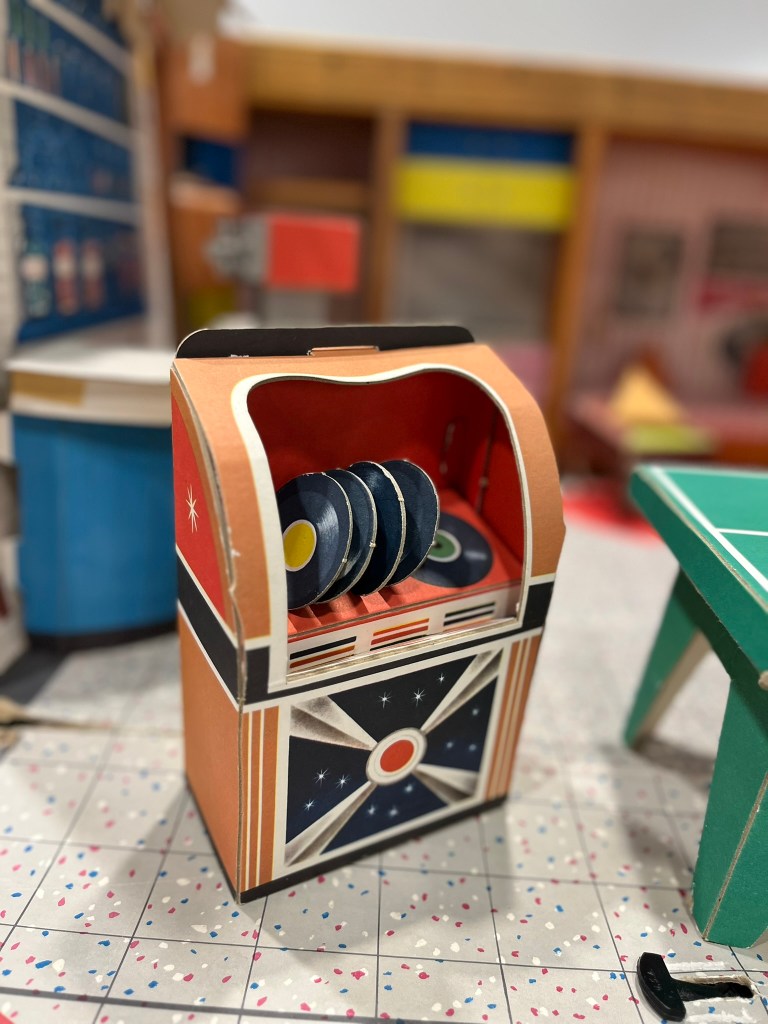
In other words, this wasn’t Mom and Dad’s house.
This was Tammy’s space.
That is one of the things I find so charming about it. Instead of miniature kitchens and formal living rooms, Ideal created a fantasy hangout for a teenage girl in 1963. The jukebox and soda fountain recall the teenage culture of the era, while the bold pinks, greens, stripes, woodgrain and geometric furniture capture that wonderful Mid-Century look.
There’s even a tiny color television! Interestingly, the larger 1963 Ideal house had a black-and-white television, while Tammy’s own playhouse was given a color TV—a particularly fun little detail for the early 1960s.
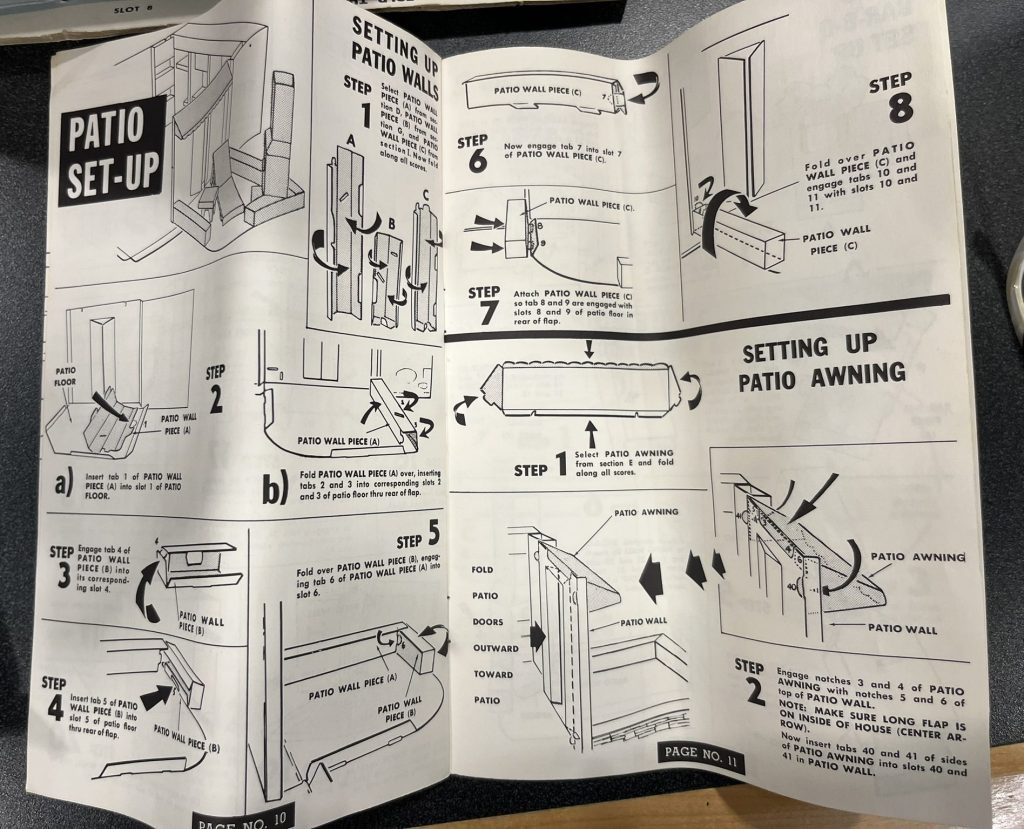
Amazingly, Sally’s Tammy’s Ideal House still has its original assembly instruction booklet! Considering this playset is more than 60 years old, it’s remarkable that the paper instructions survived along with so many of the original pieces.
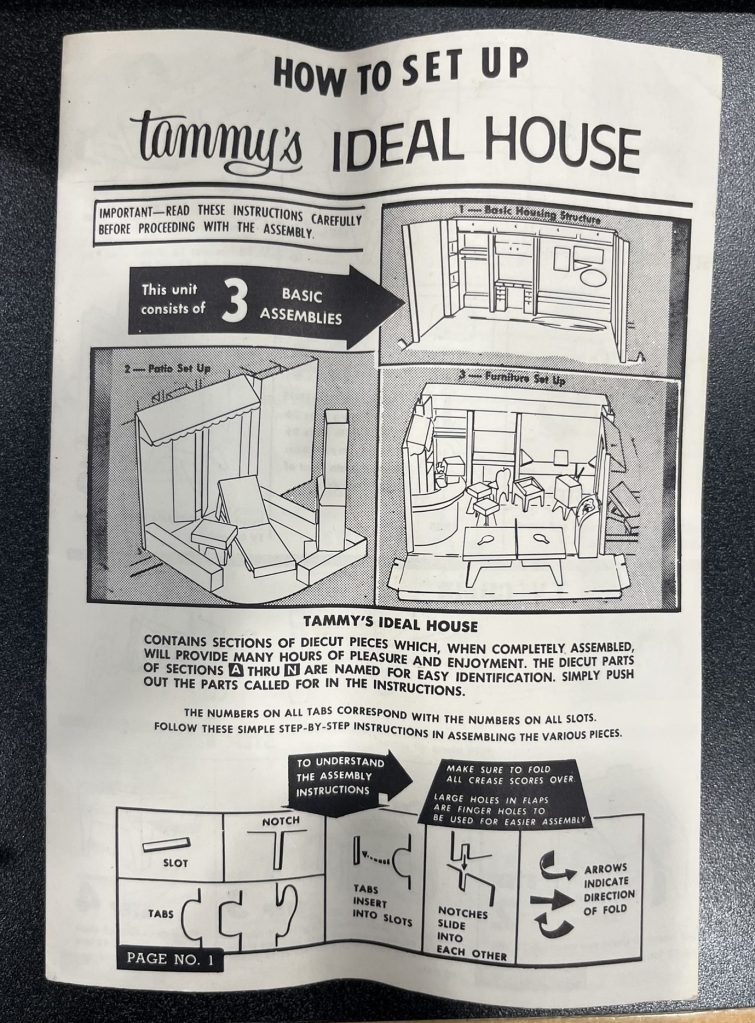
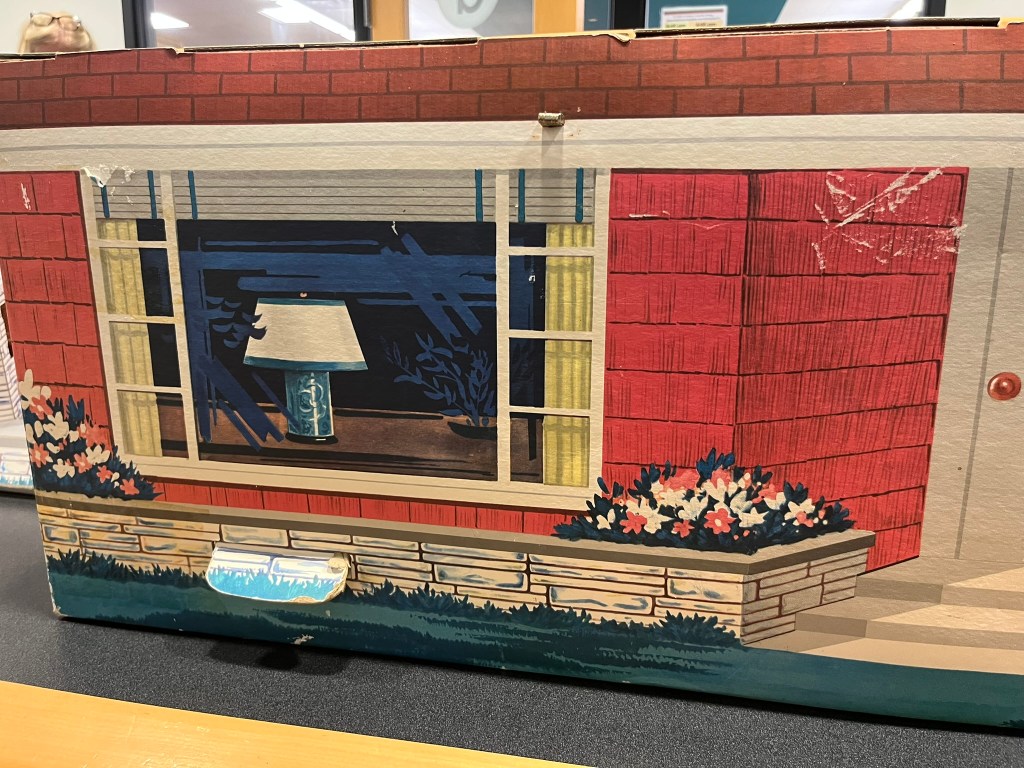
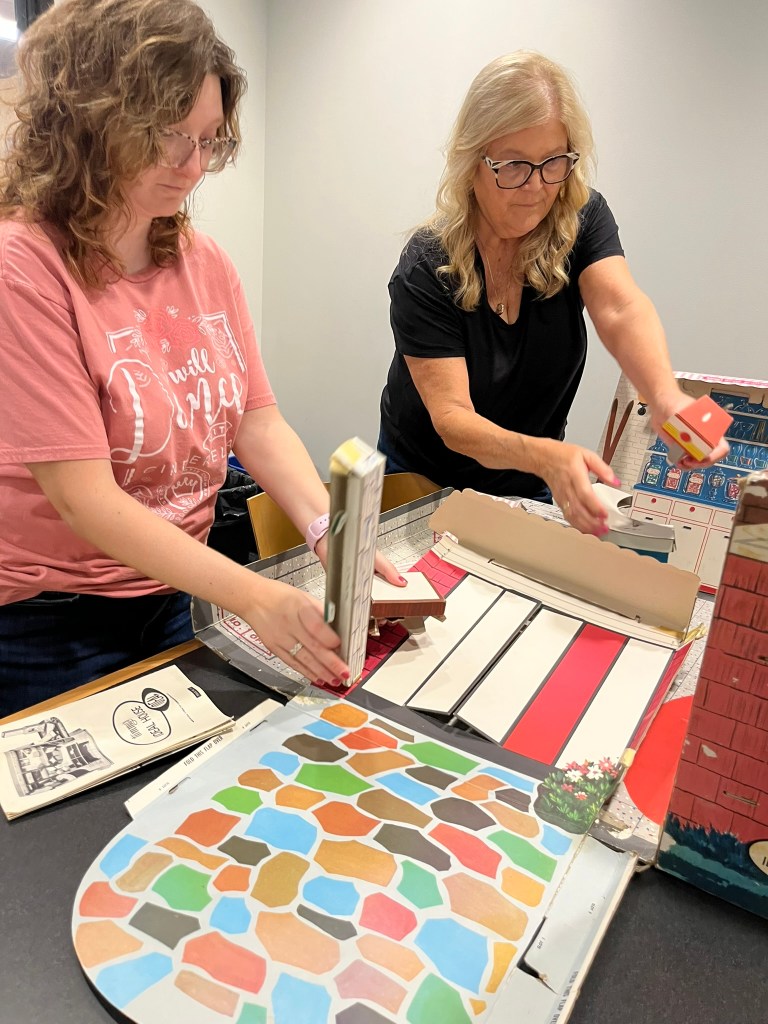
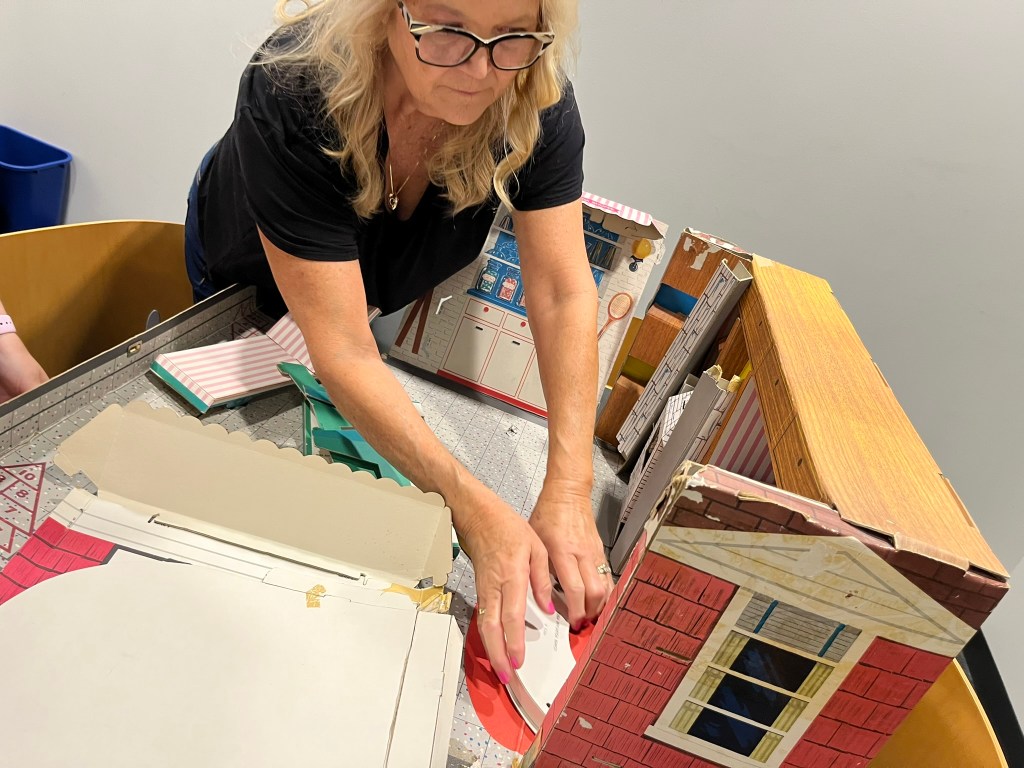
Another clever feature is its construction. Rather than being a heavy wooden dollhouse, Tammy’s house was made largely from printed board. The house could fold up, with its furniture and accessories stored inside, making it much easier for a child to put away after playtime.
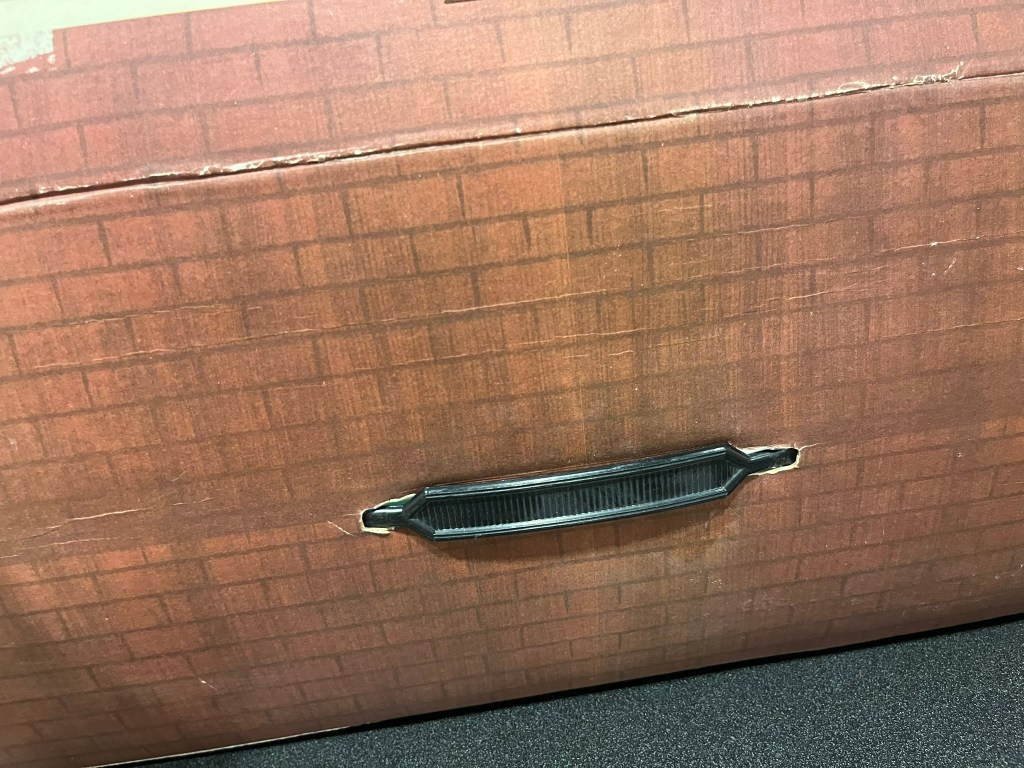
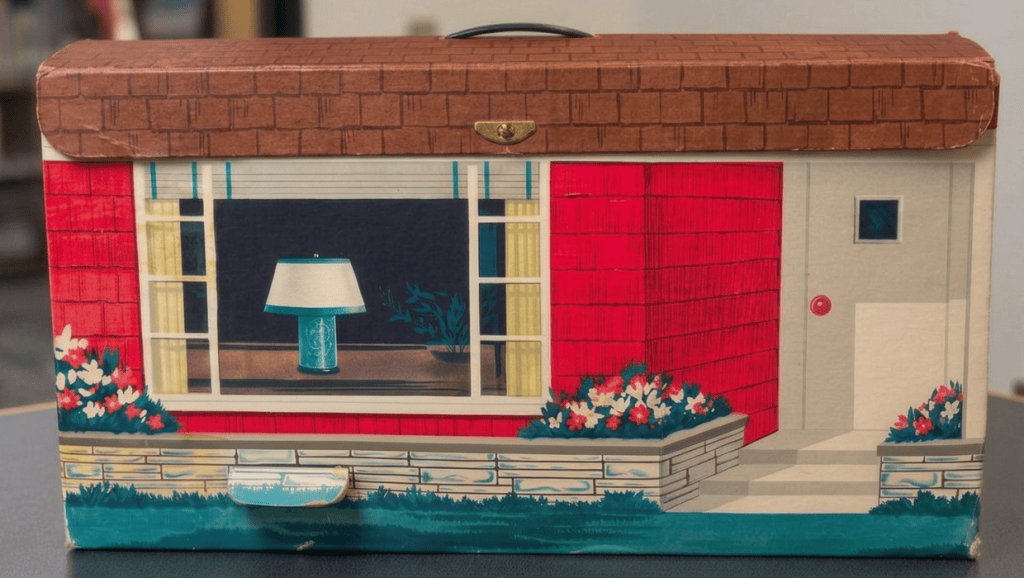
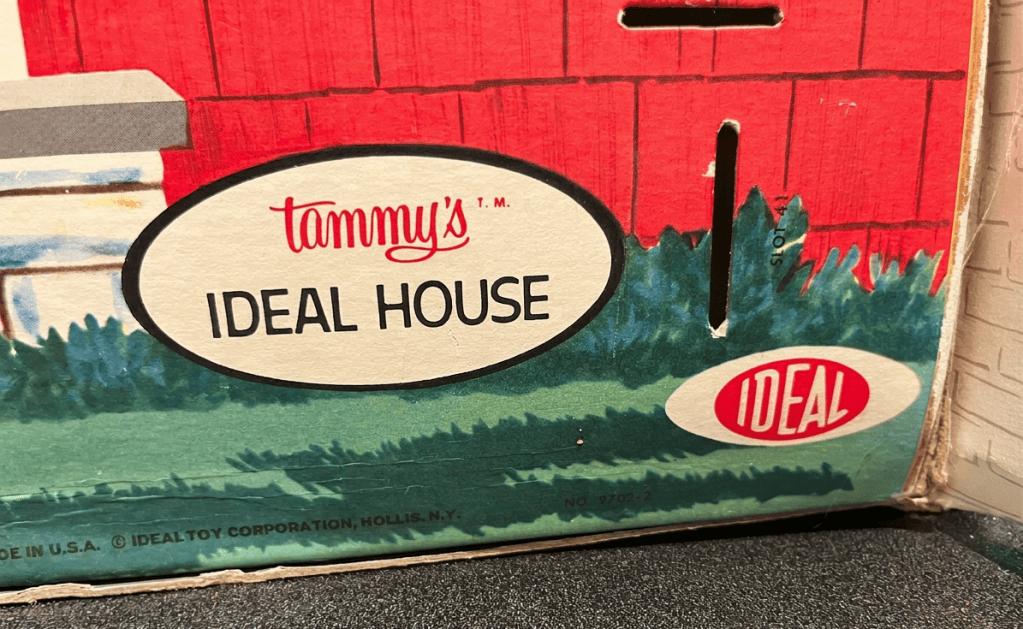
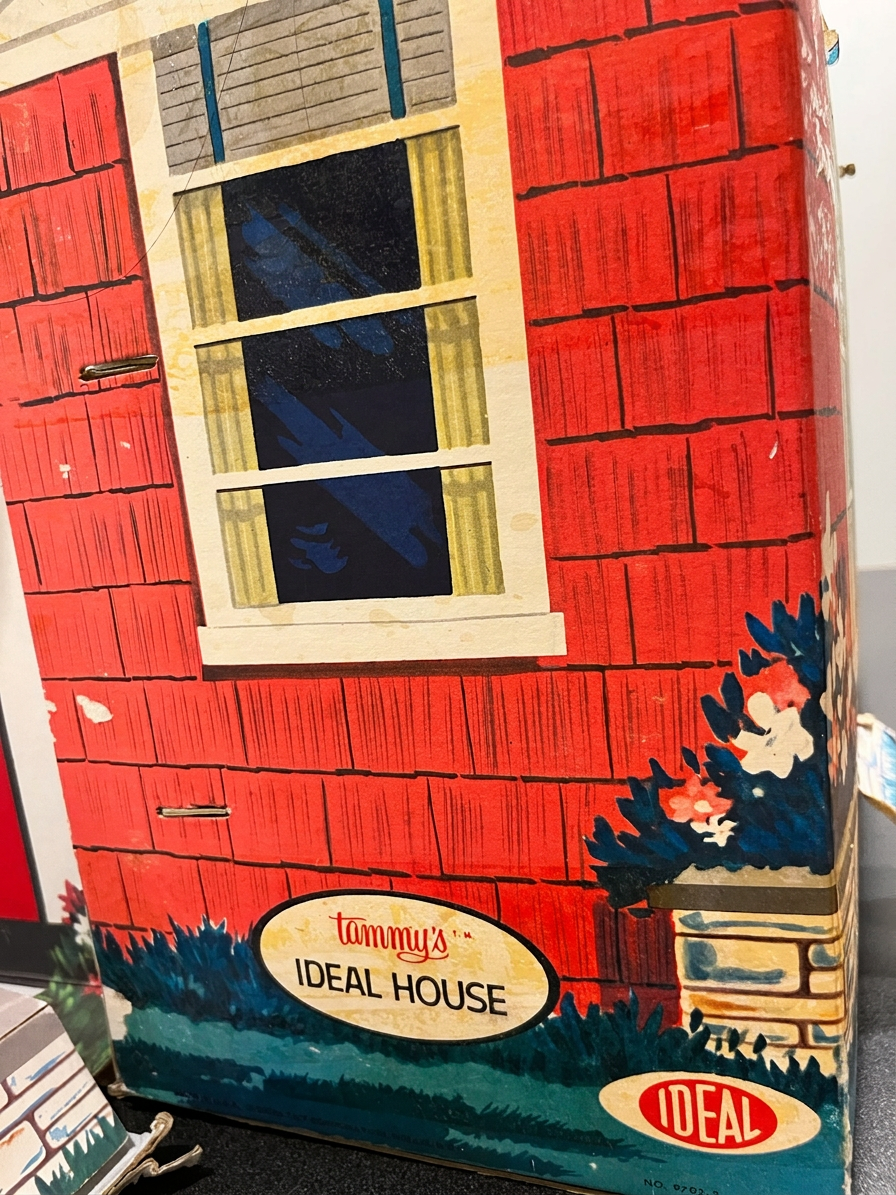
Tammy’s T.M.
IDEAL HOUSE
IDEAL Toy Corporation, Hollis, N.Y.
Made in U.S.A.
No. 9702-2
Seeing that original label still attached more than sixty years later made the experience even more special.
One of my favorite historical tidbits came from an actual newspaper published on December 23, 1963.
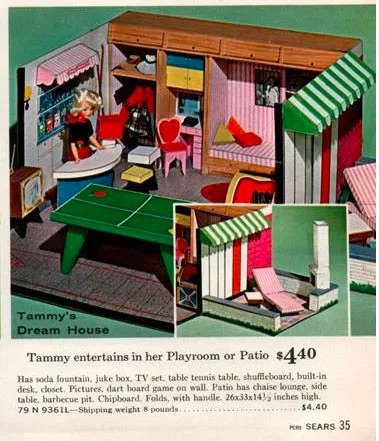
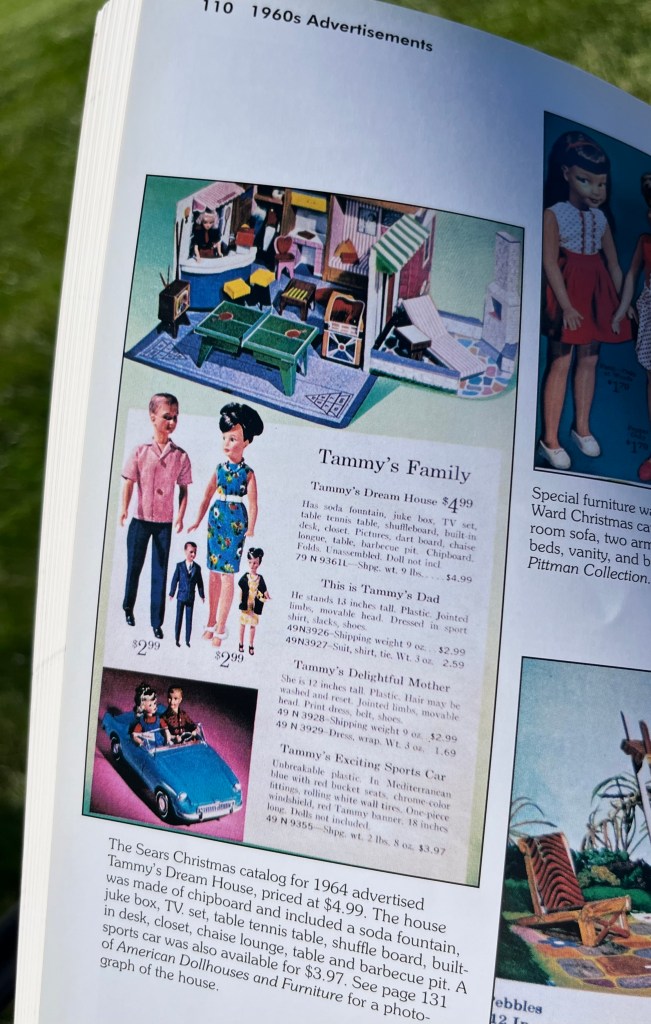
Among the children’s letters to Santa was a little girl asking Santa for a Chatty Cathy, a baton, Tammy’s family, her dream house, her car and a transistor radio.
It puts this dollhouse back into its original world. In 1963, Tammy’s Dream House wasn’t an antique or a collectible sitting carefully on a table.
It was something a little girl hoped Santa would bring her for Christmas.
More than sixty years later, Sally and her daughter brought one to a local library so another dollhouse lover—me!—could finally see one in person.
I couldn’t thank them enough for this wonderful opportunity.
Sometimes the best part of collecting and researching miniatures isn’t simply discovering the dollhouse.
It’s discovering the people, memories and stories that have kept these little houses alive.
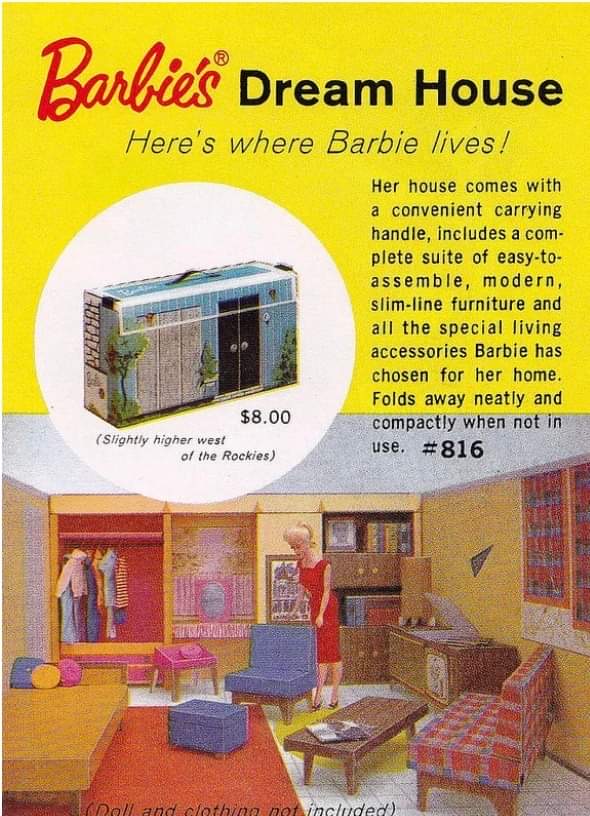
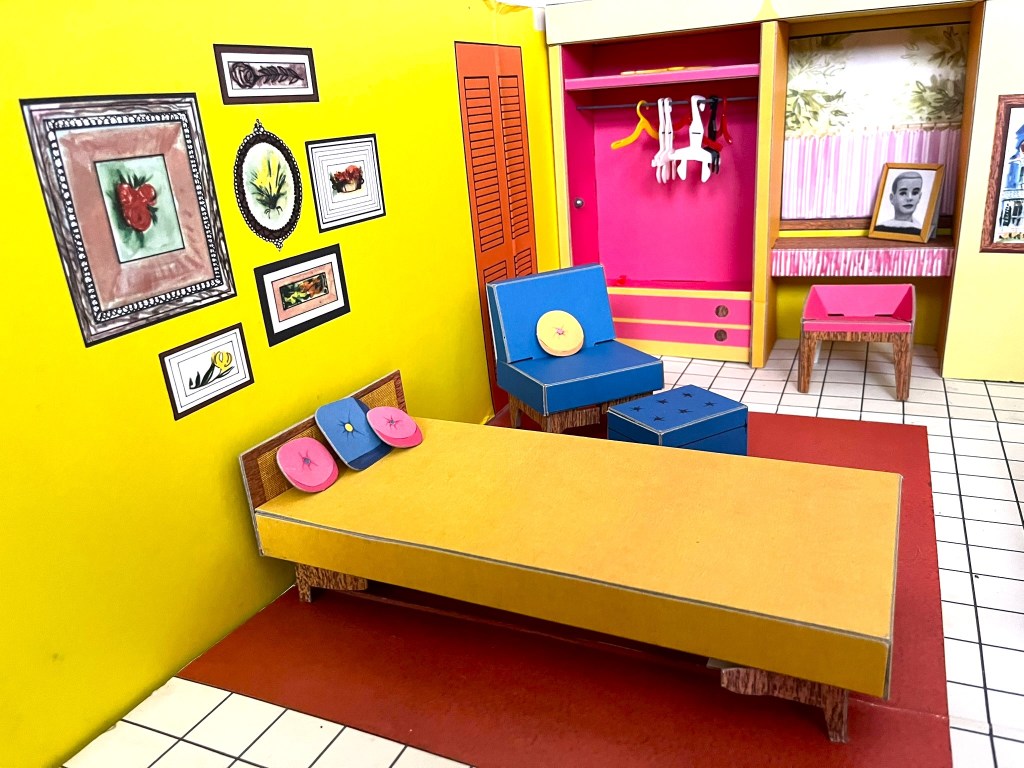
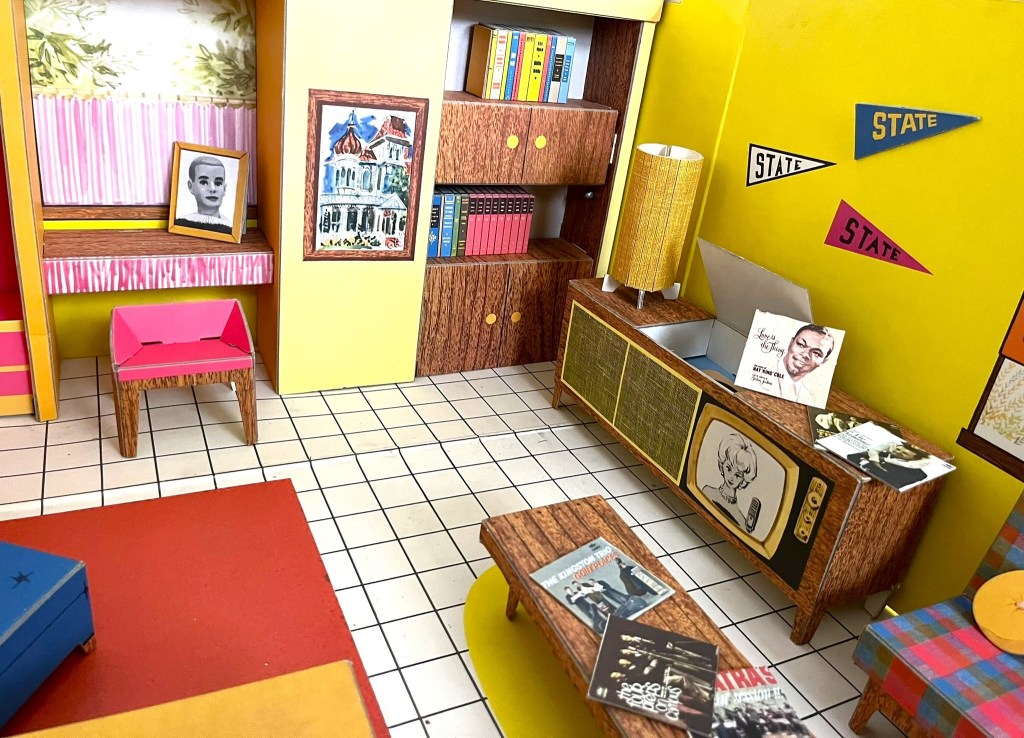
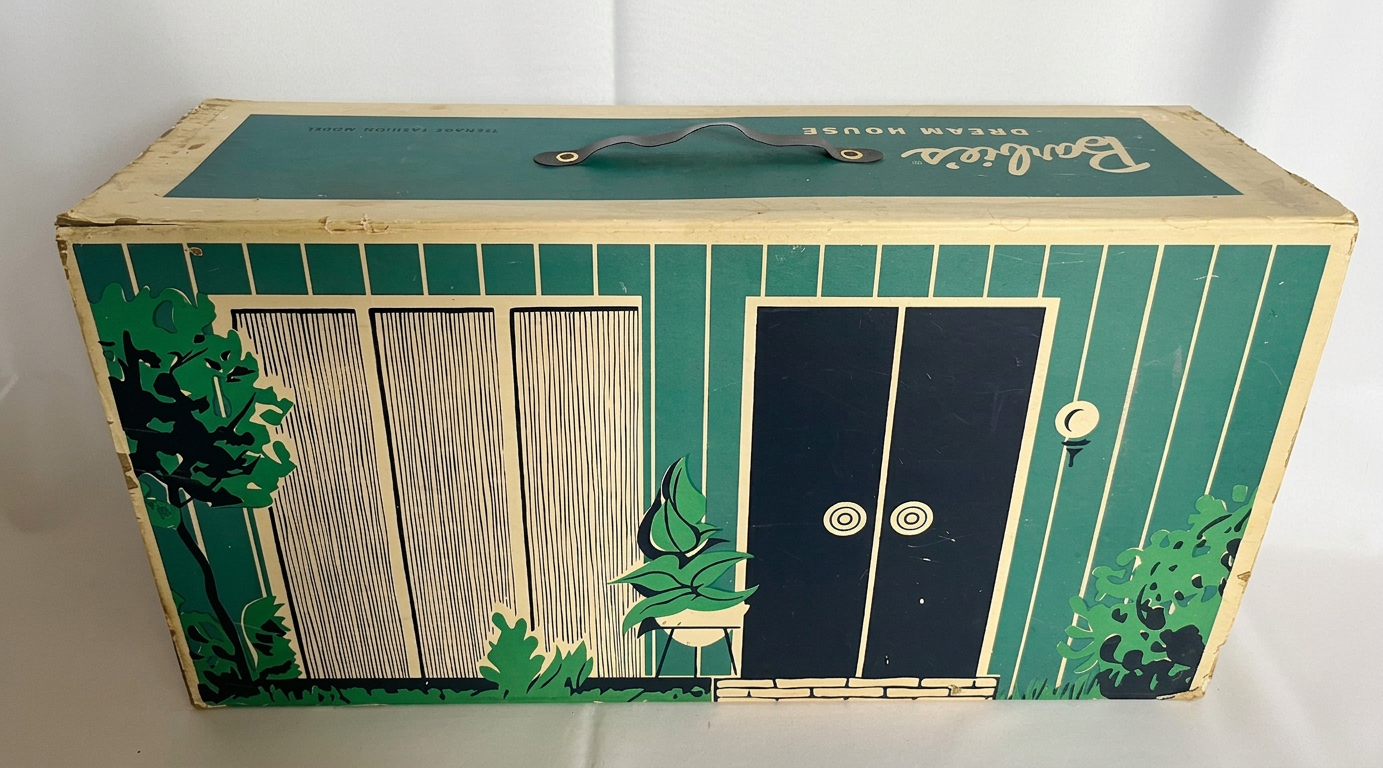
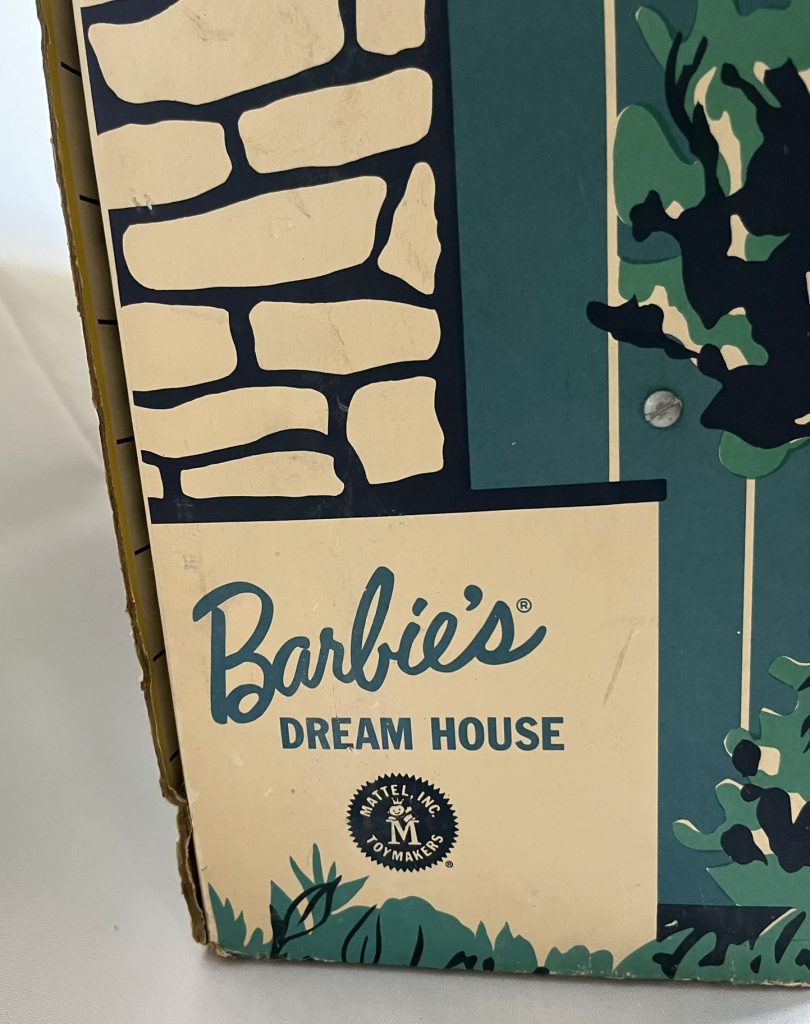
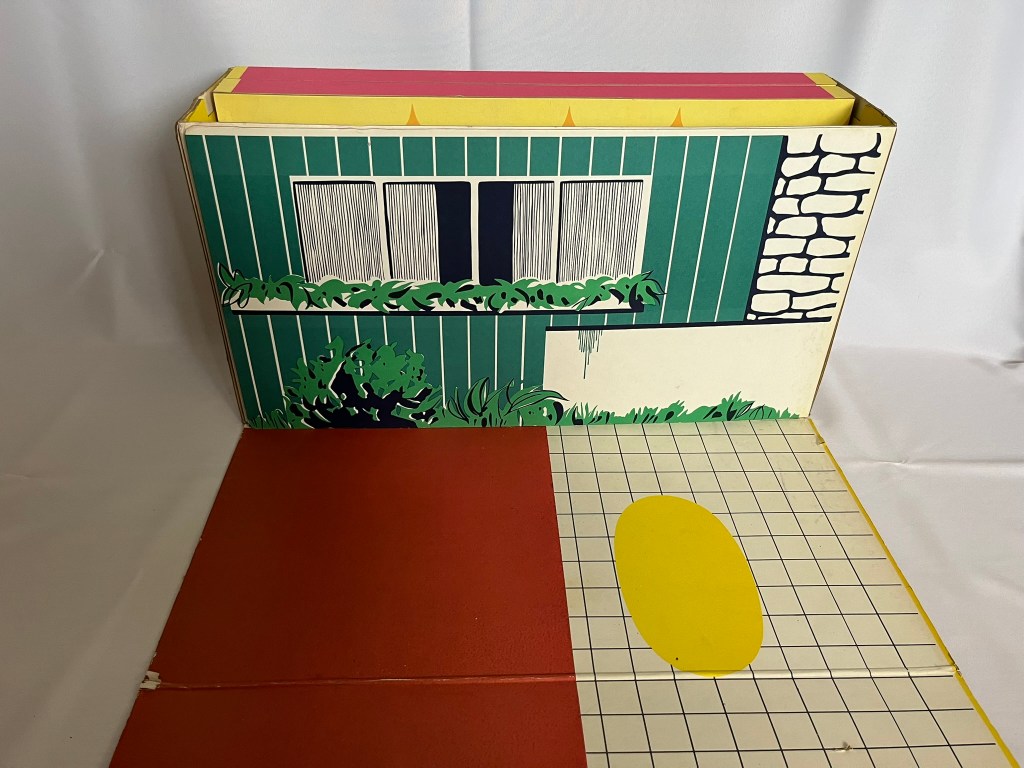
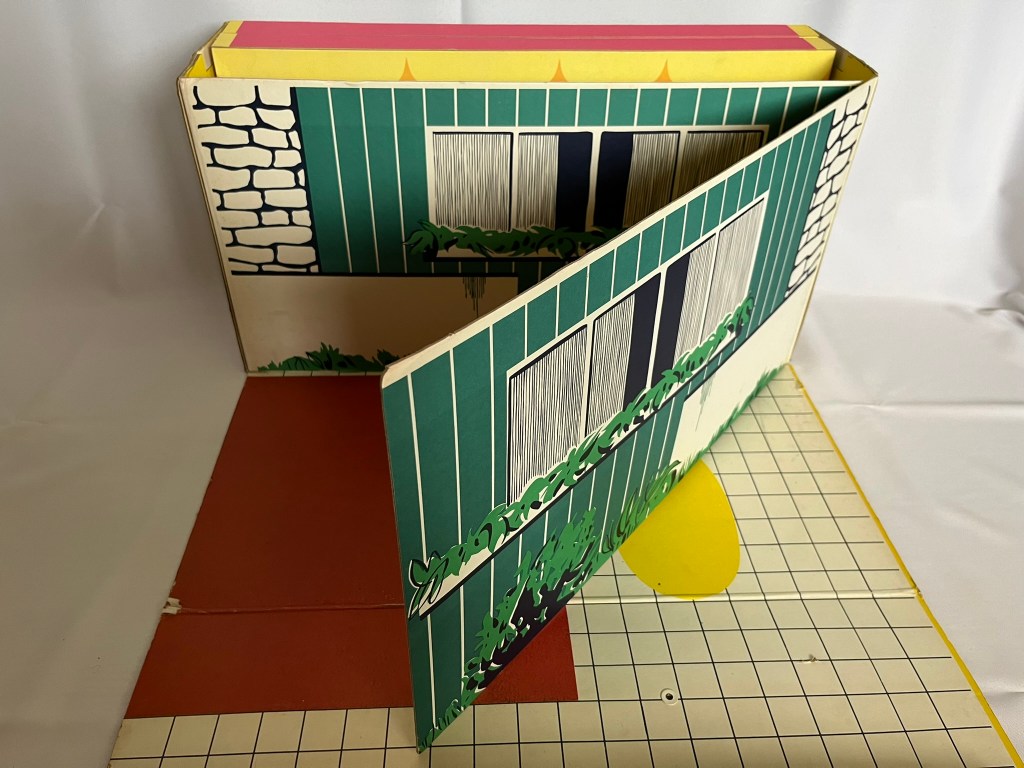
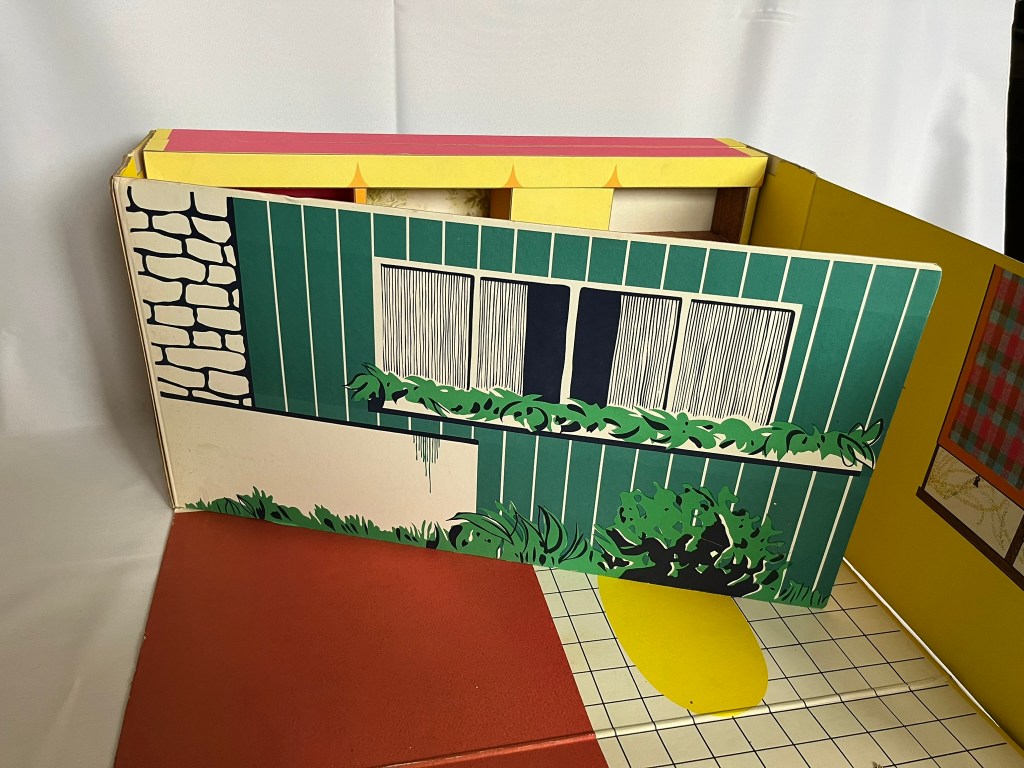
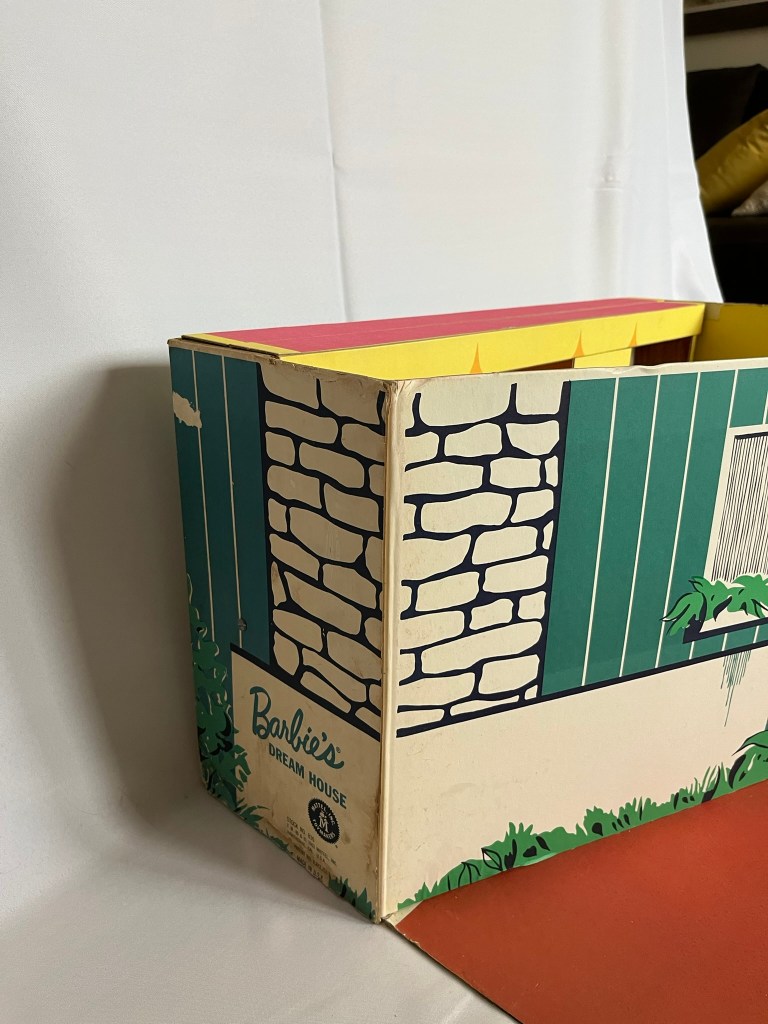
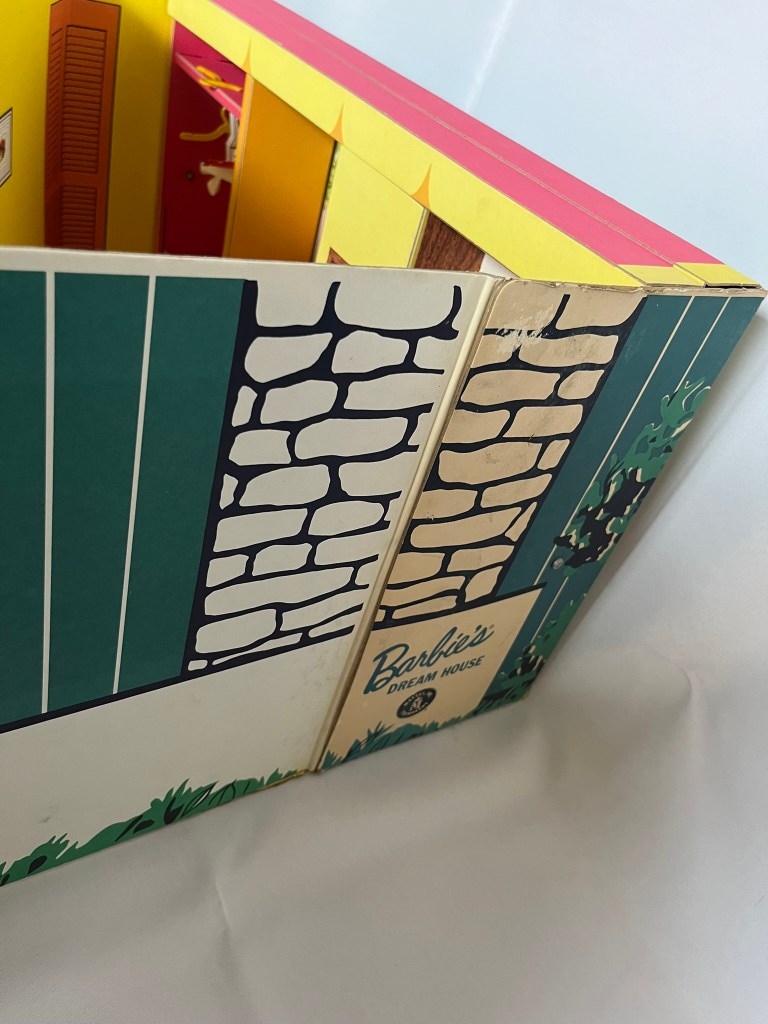
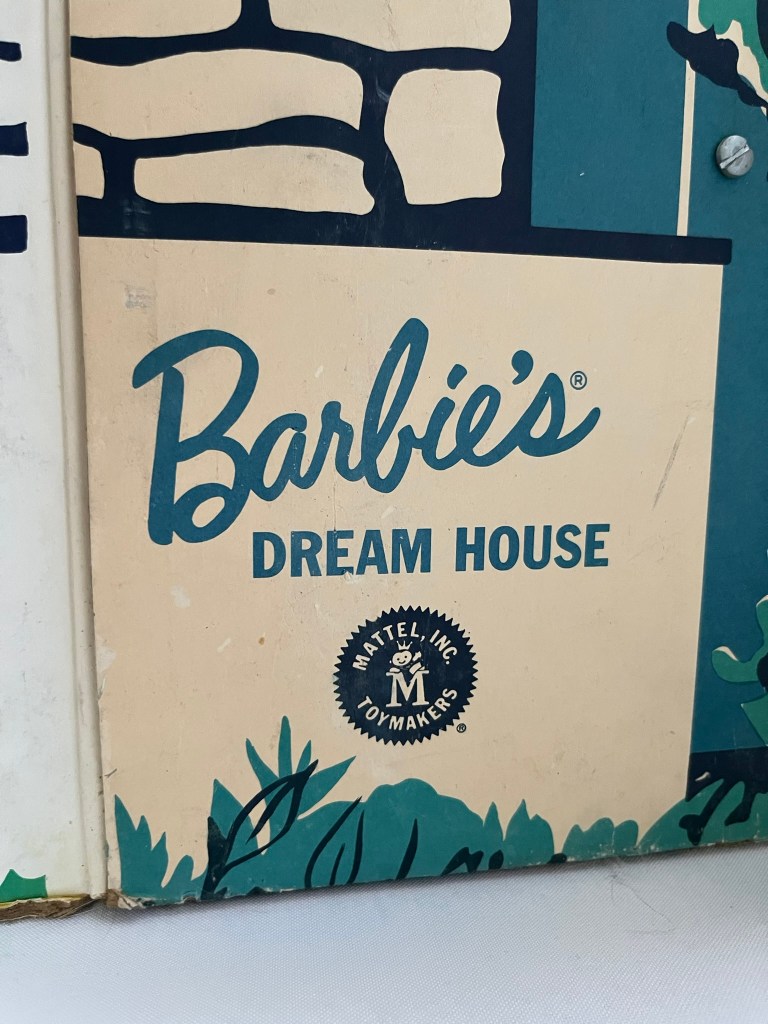
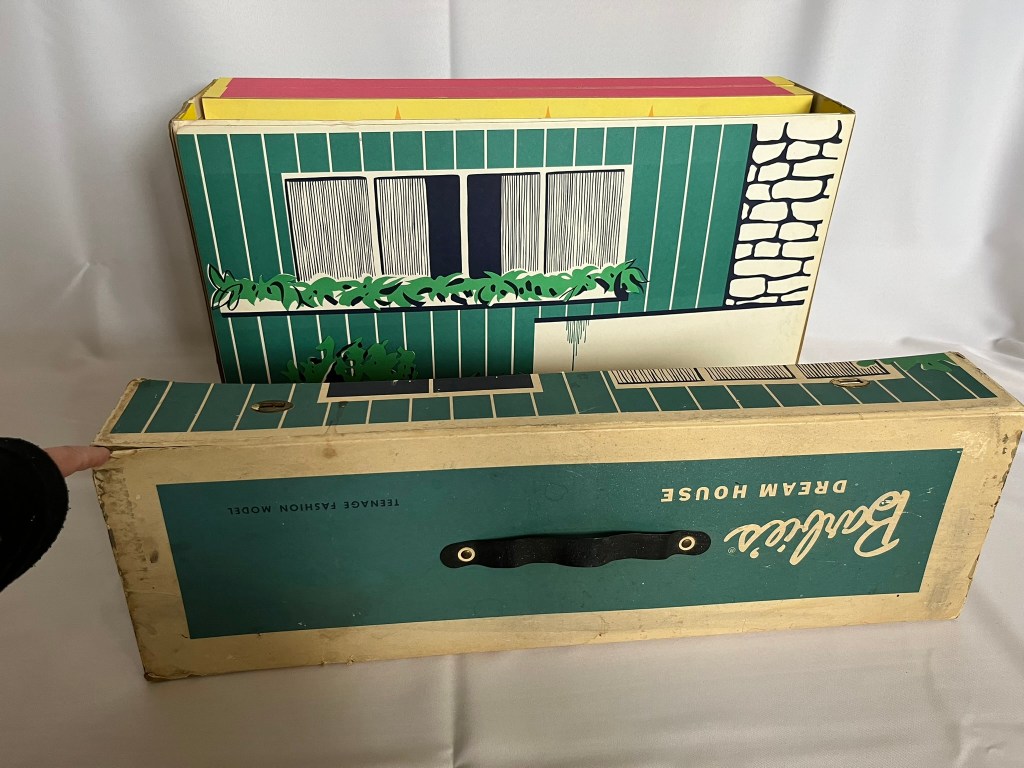
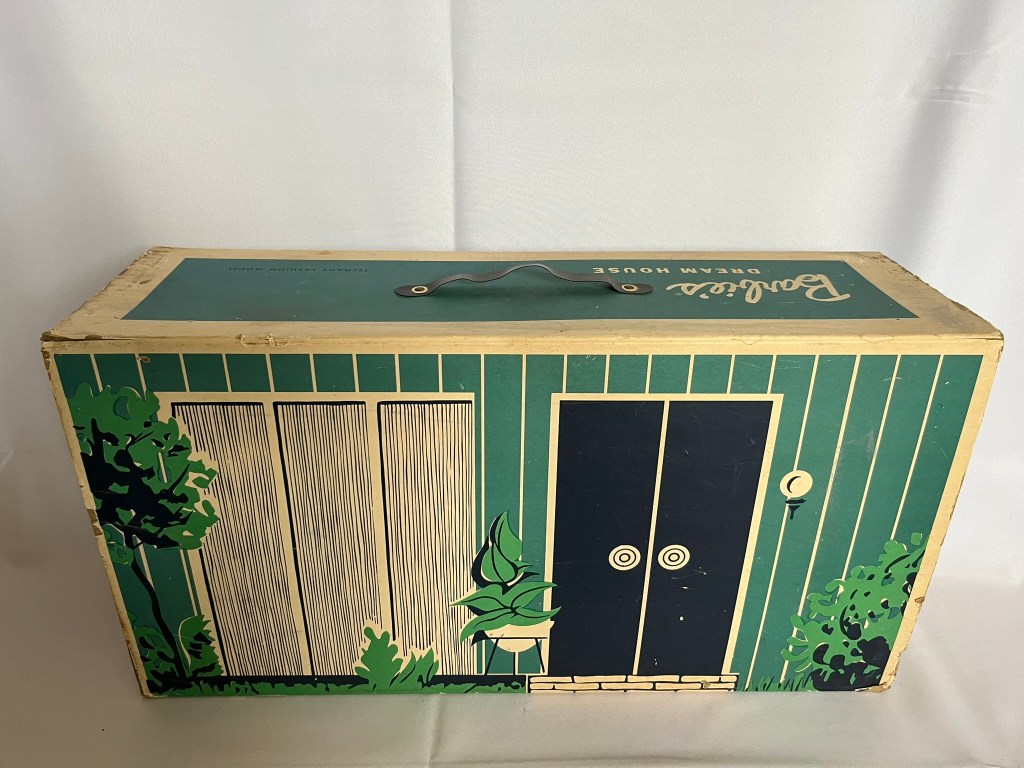
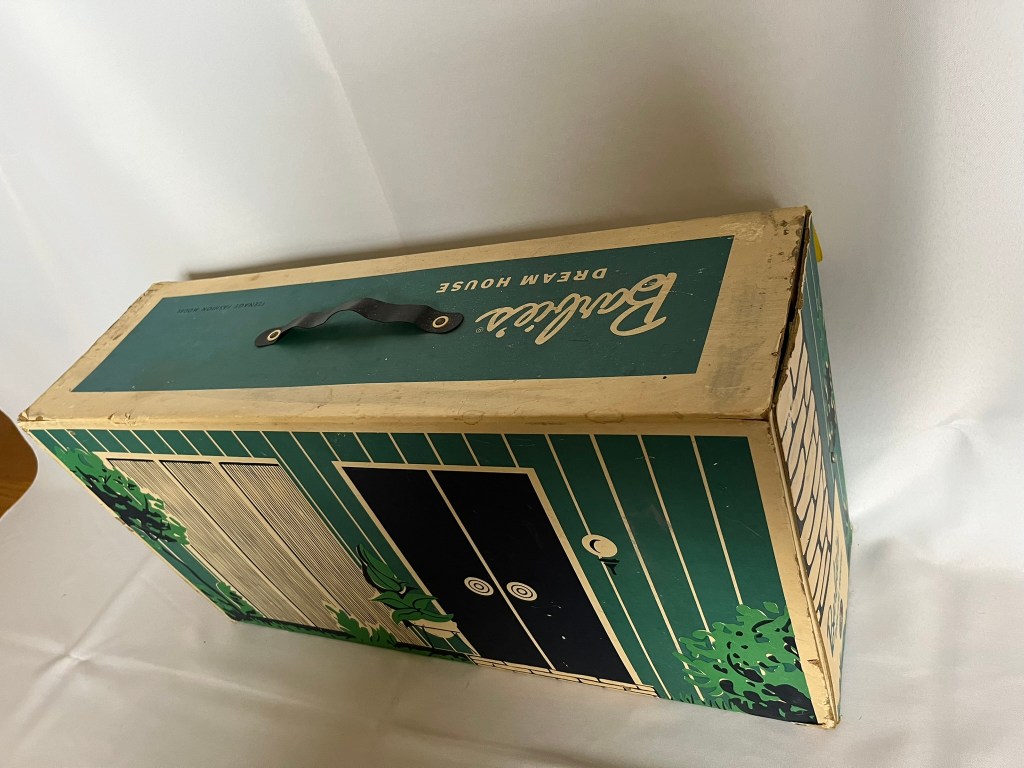
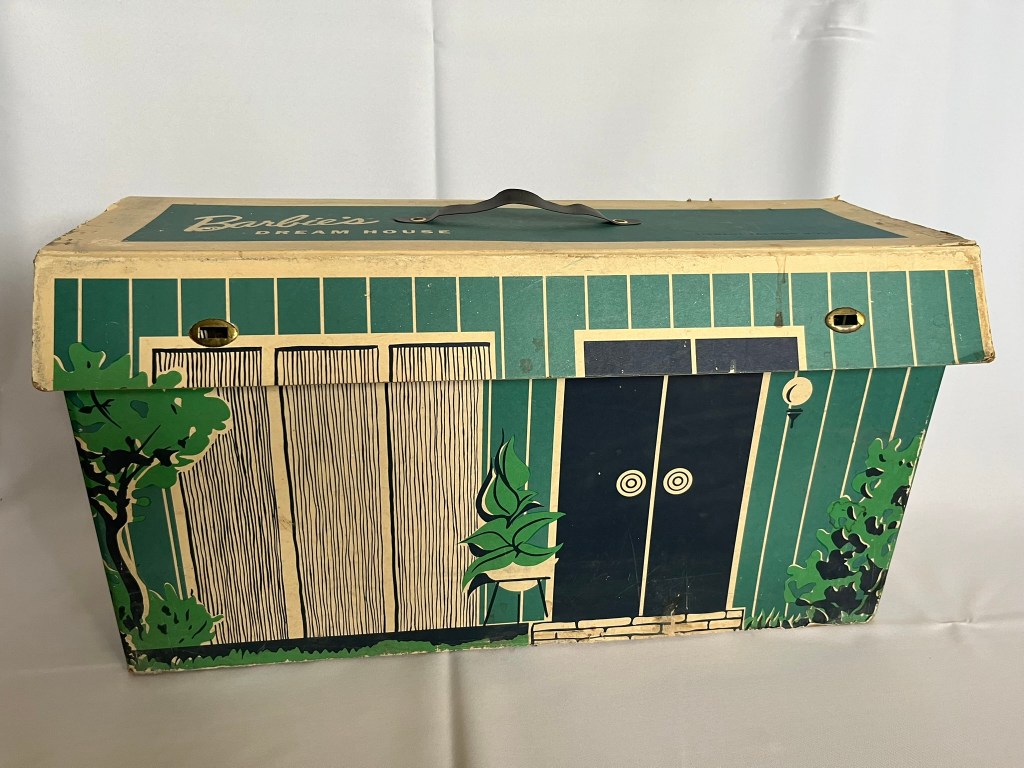
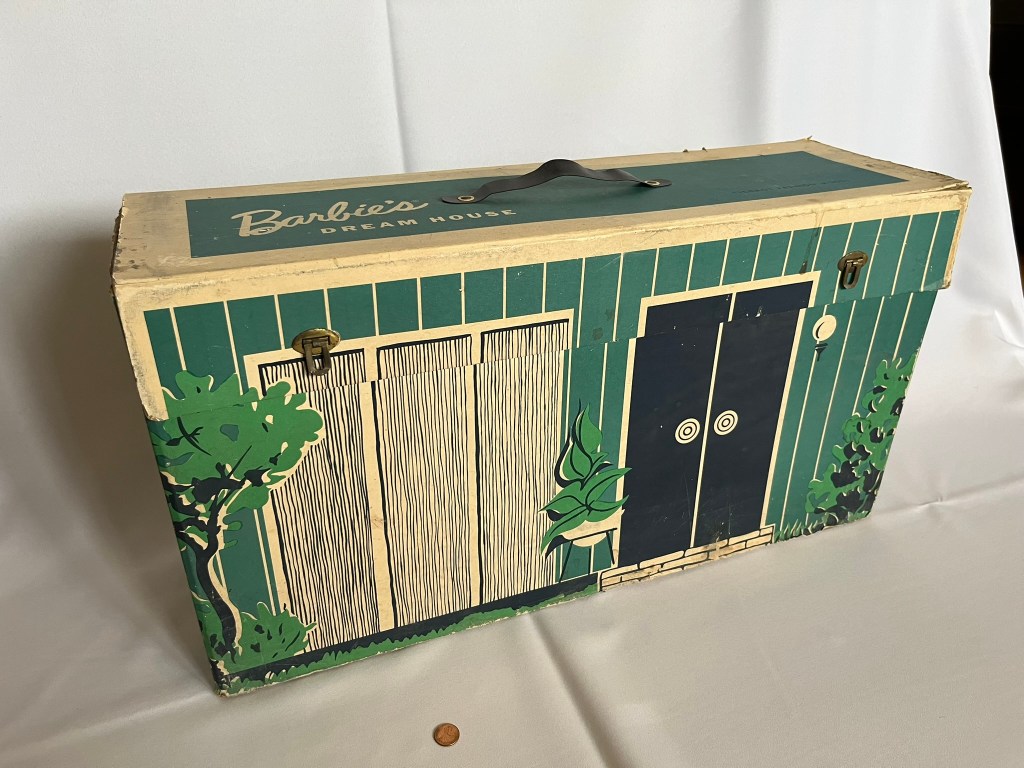
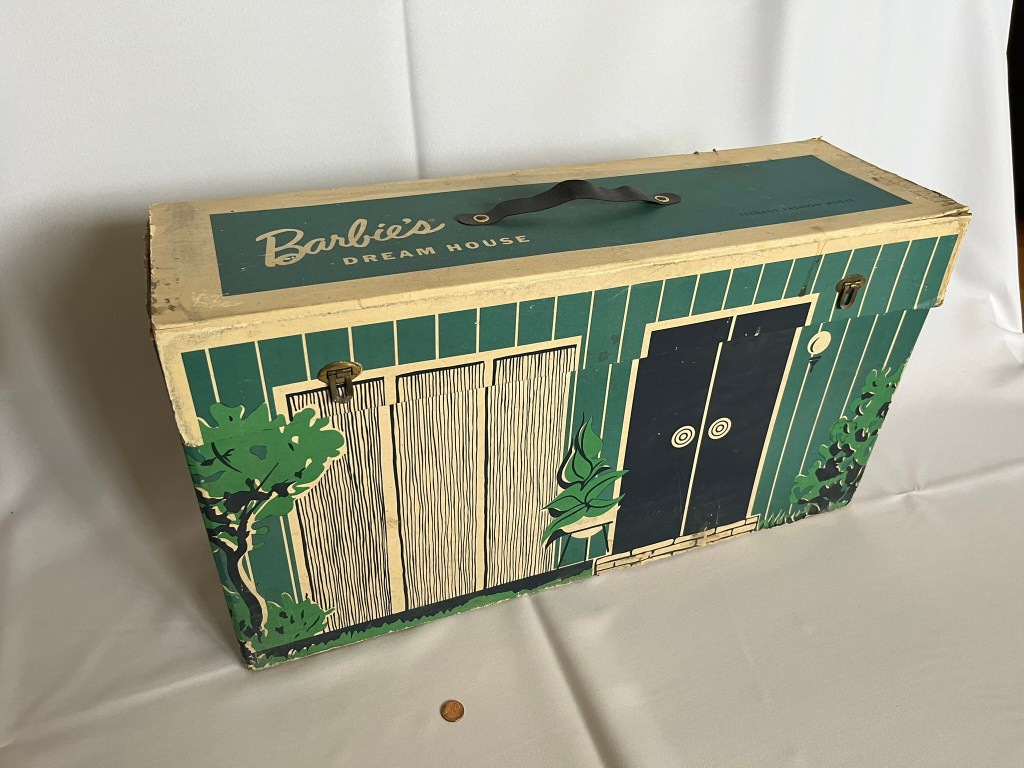
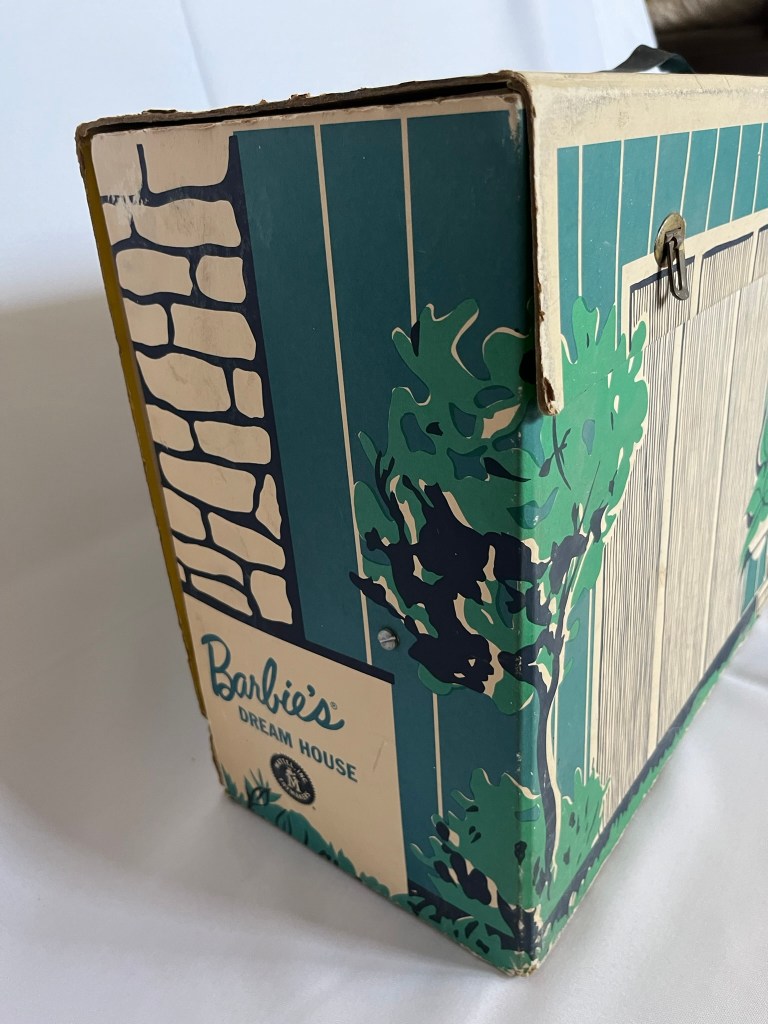
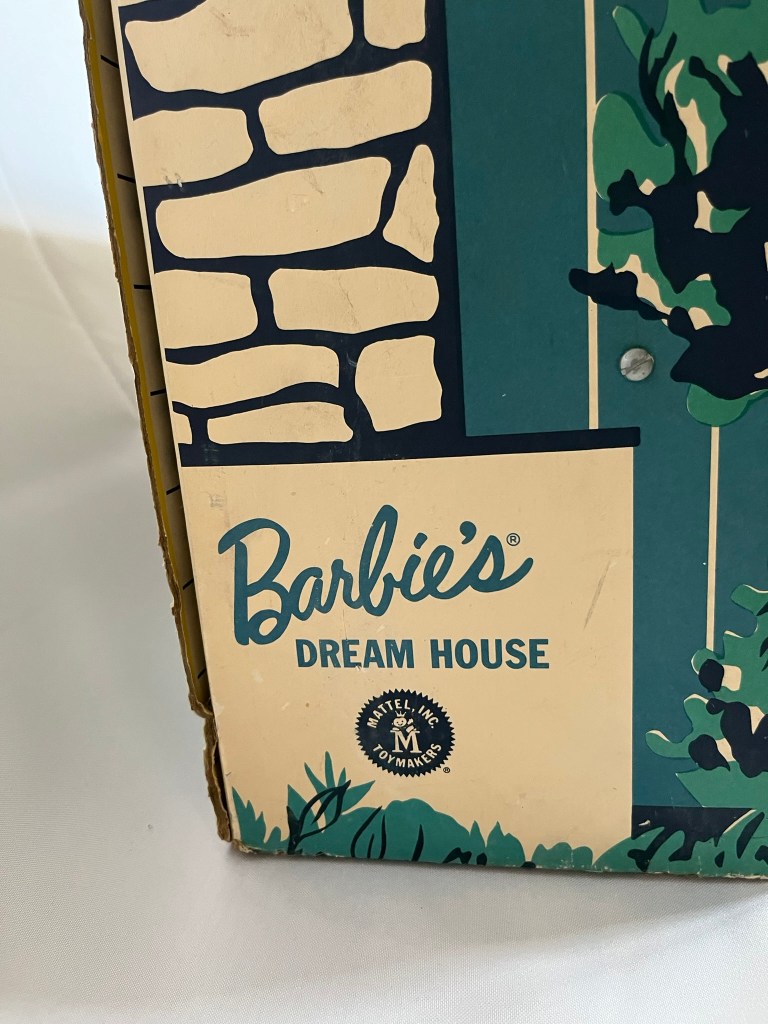
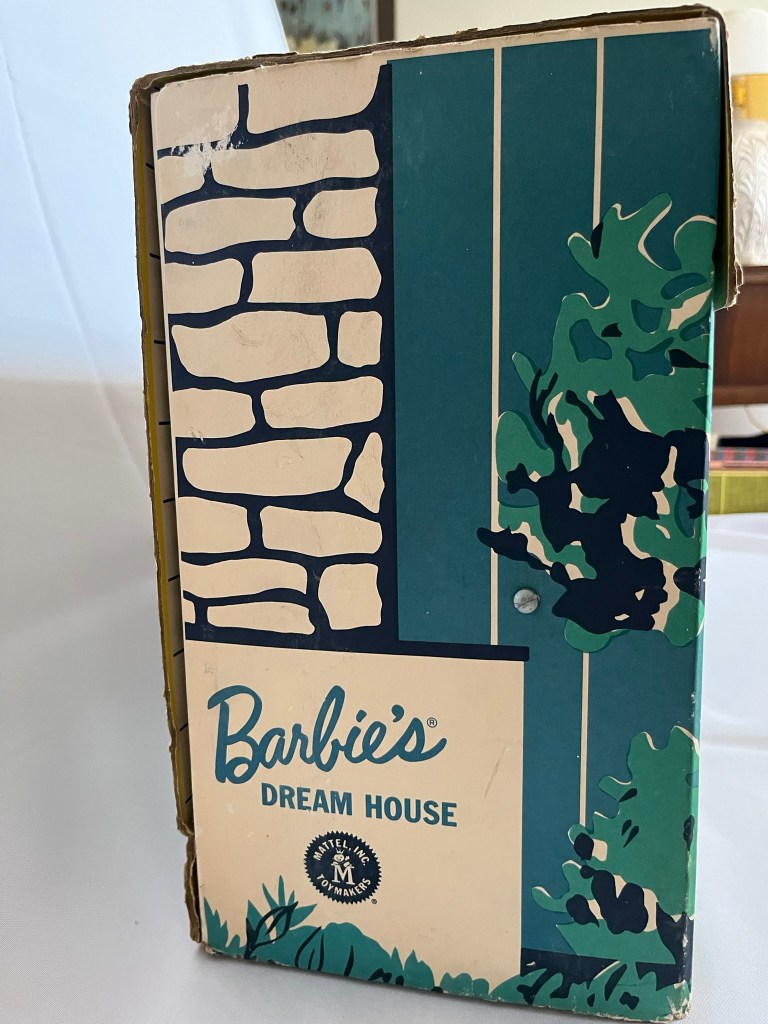
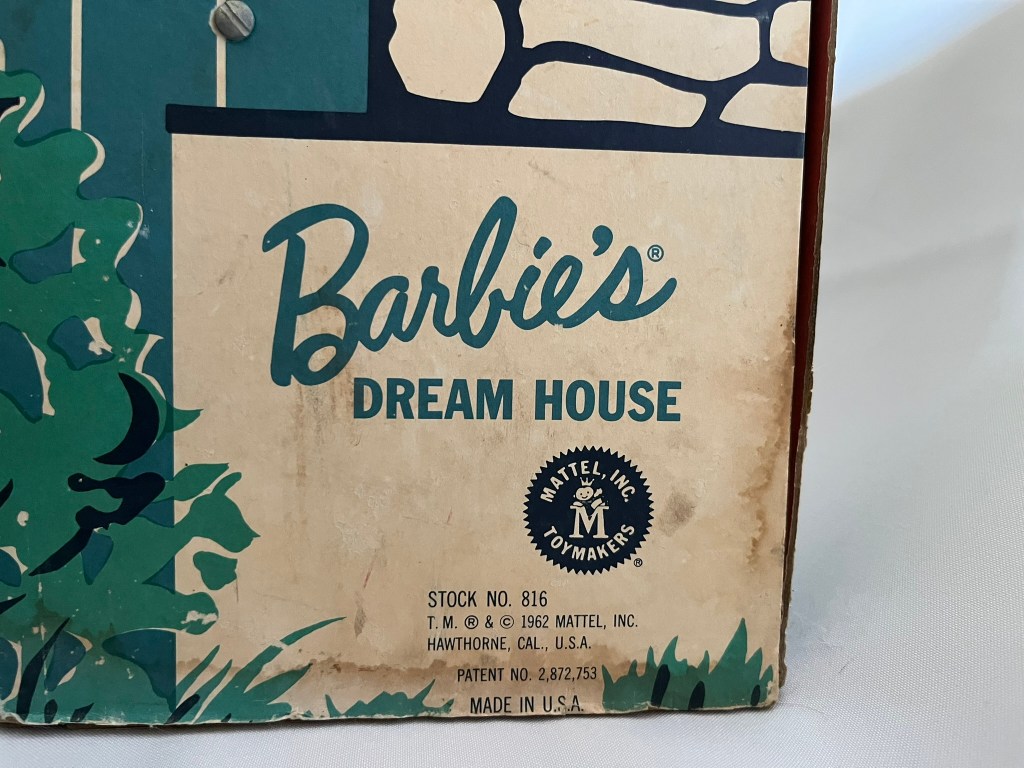
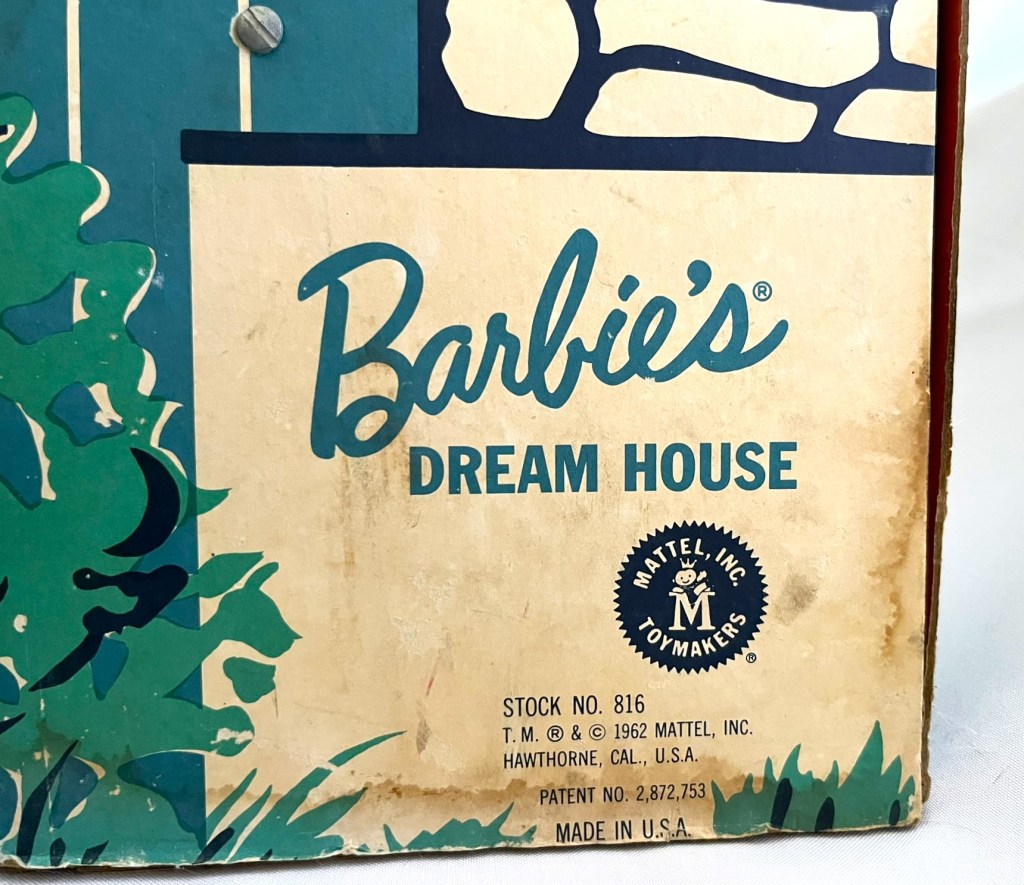
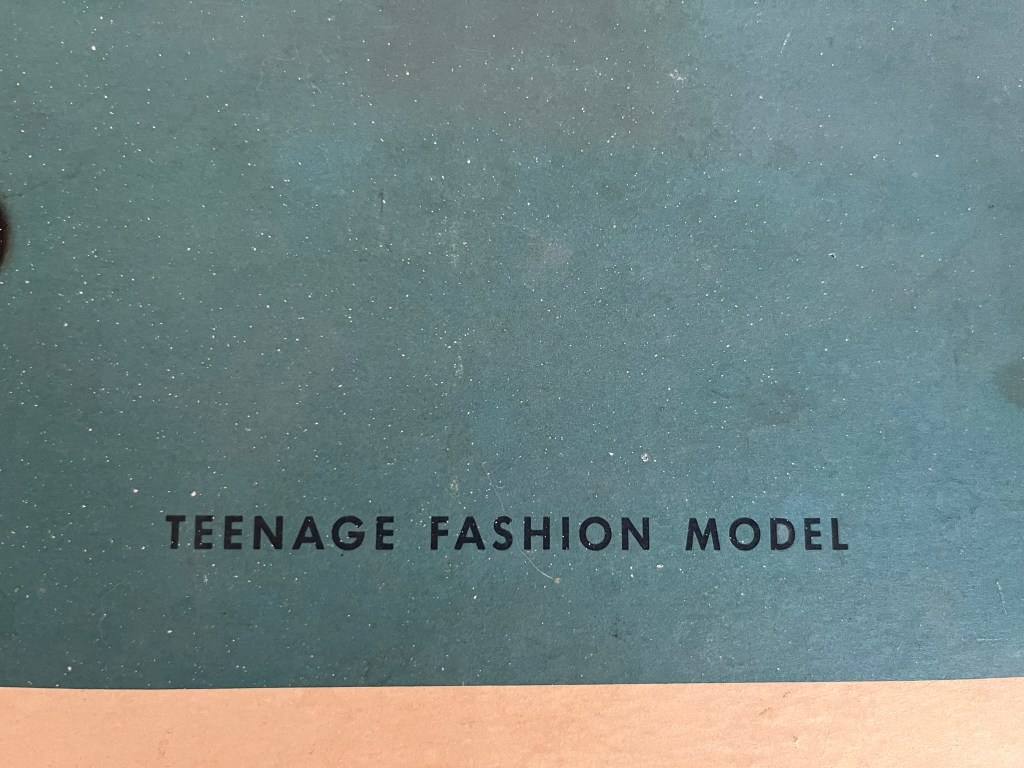
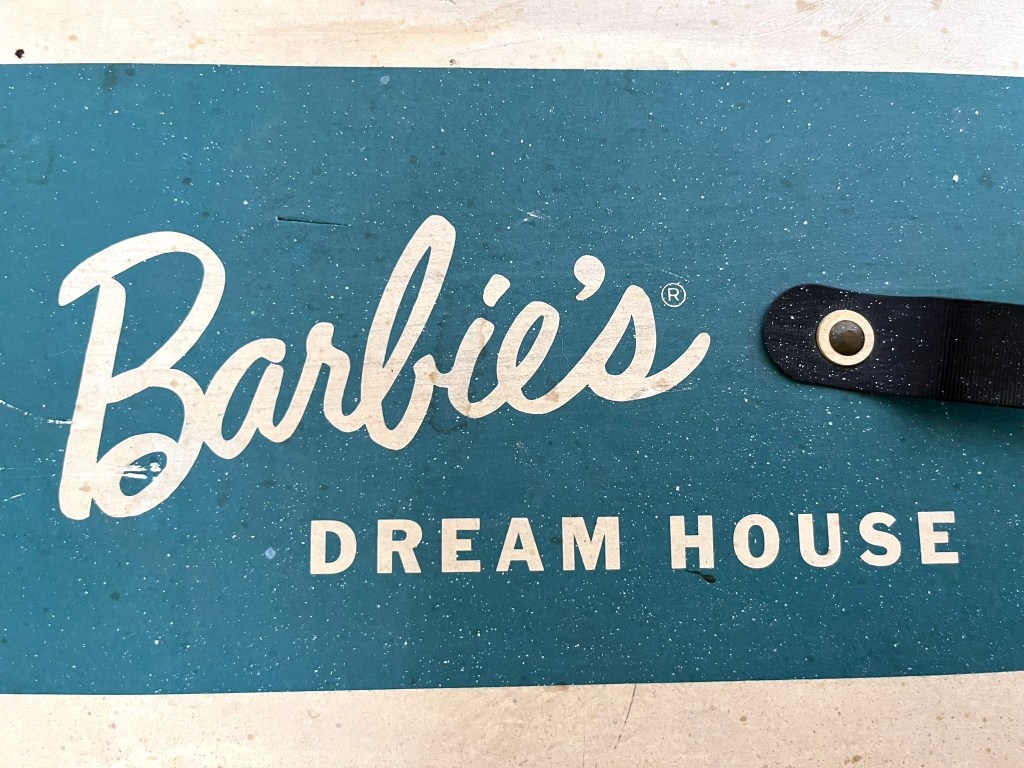
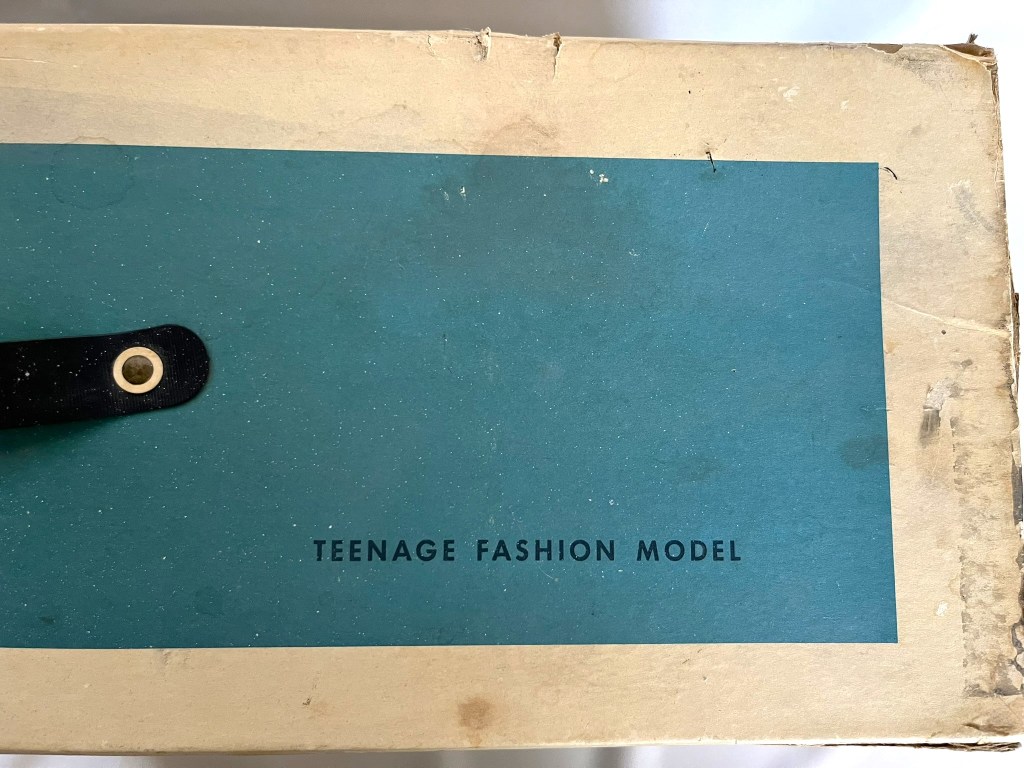
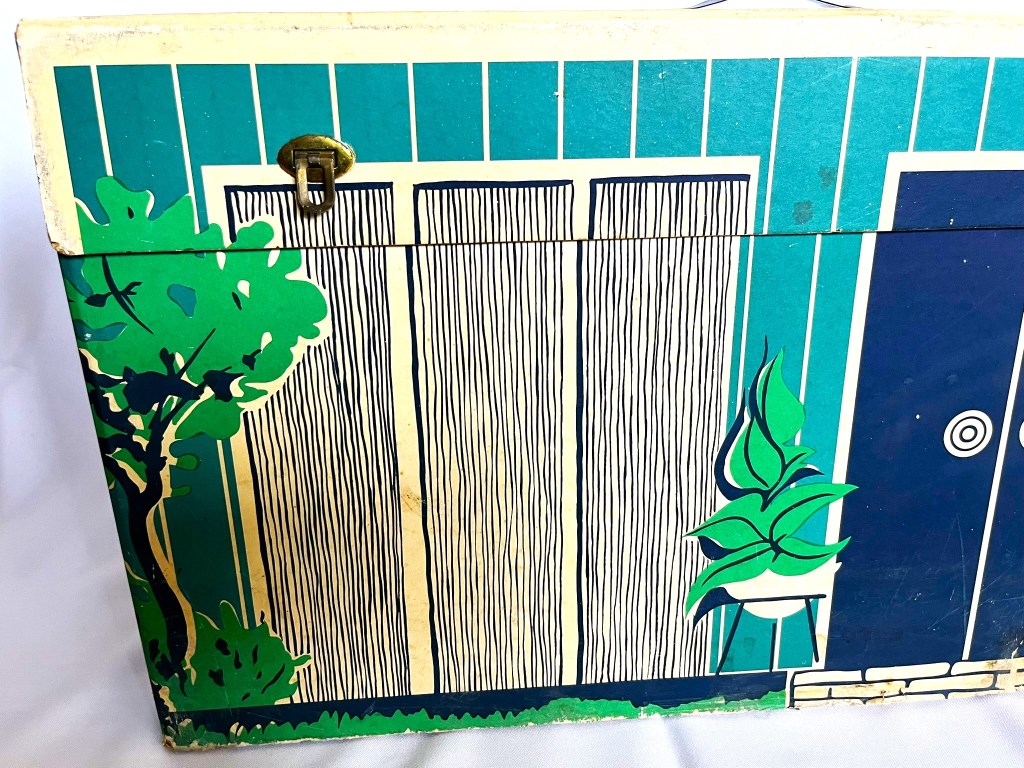
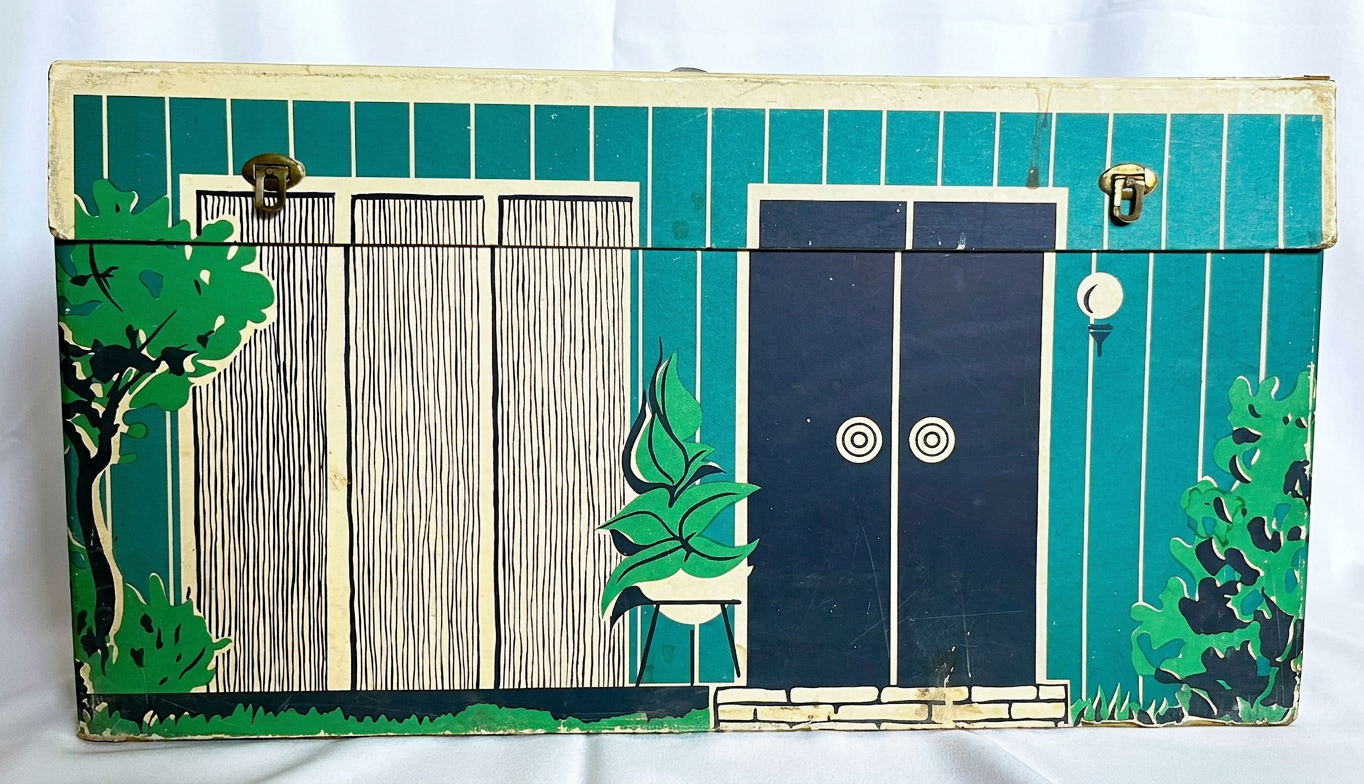
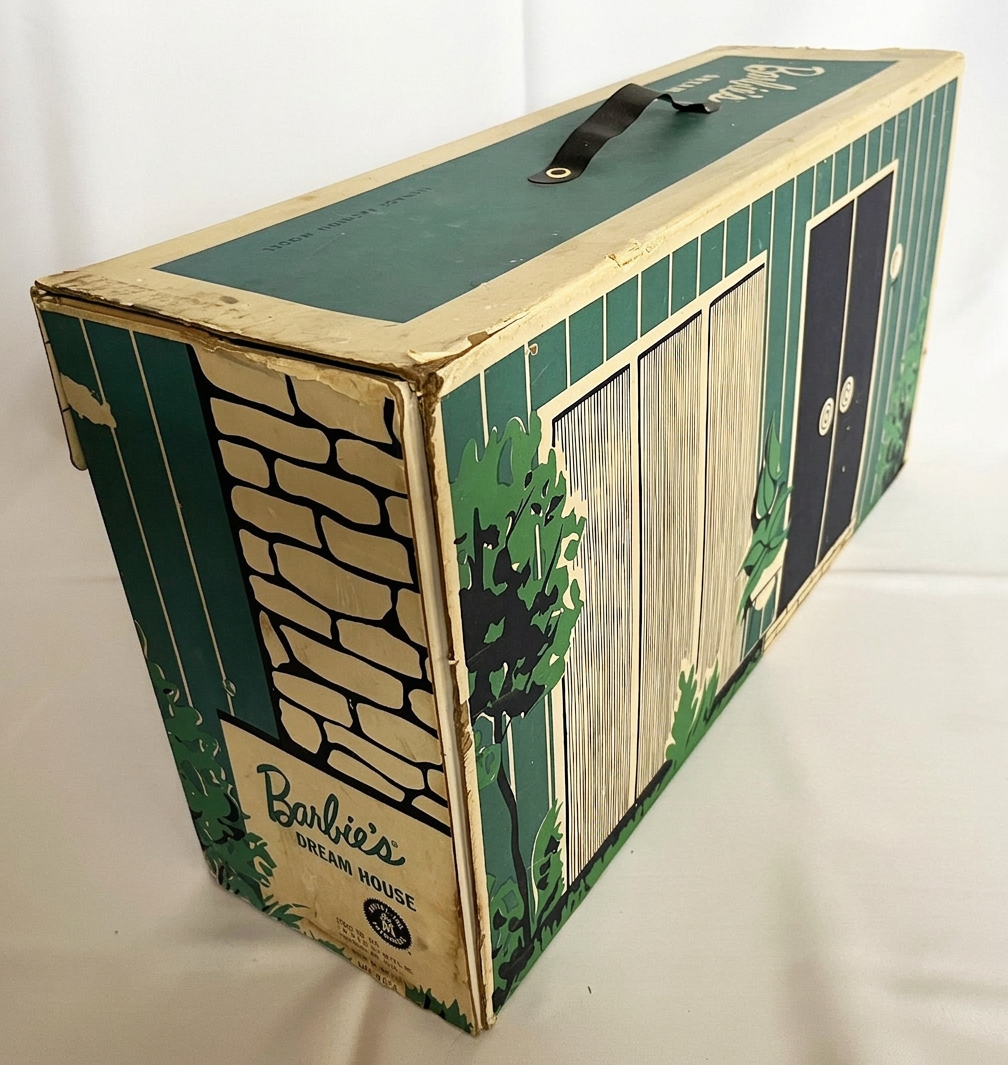
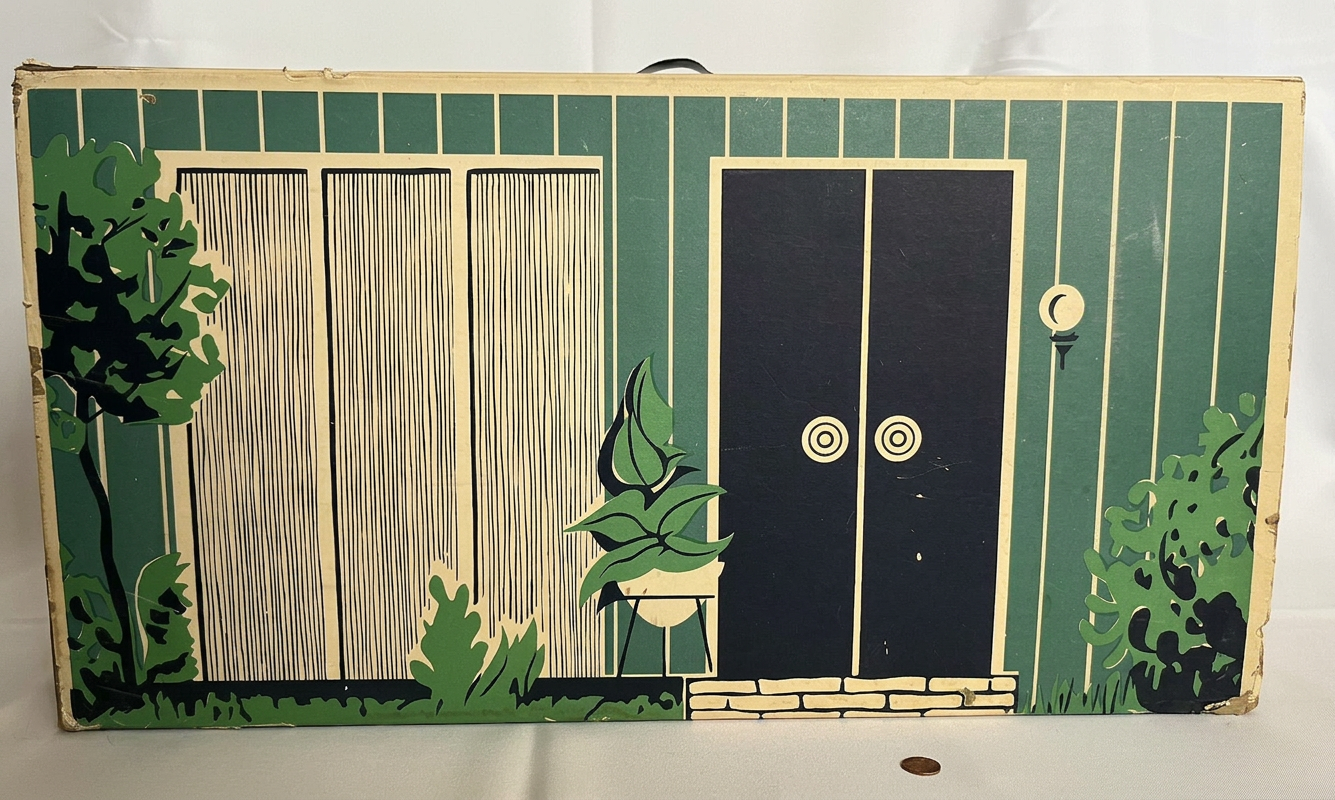
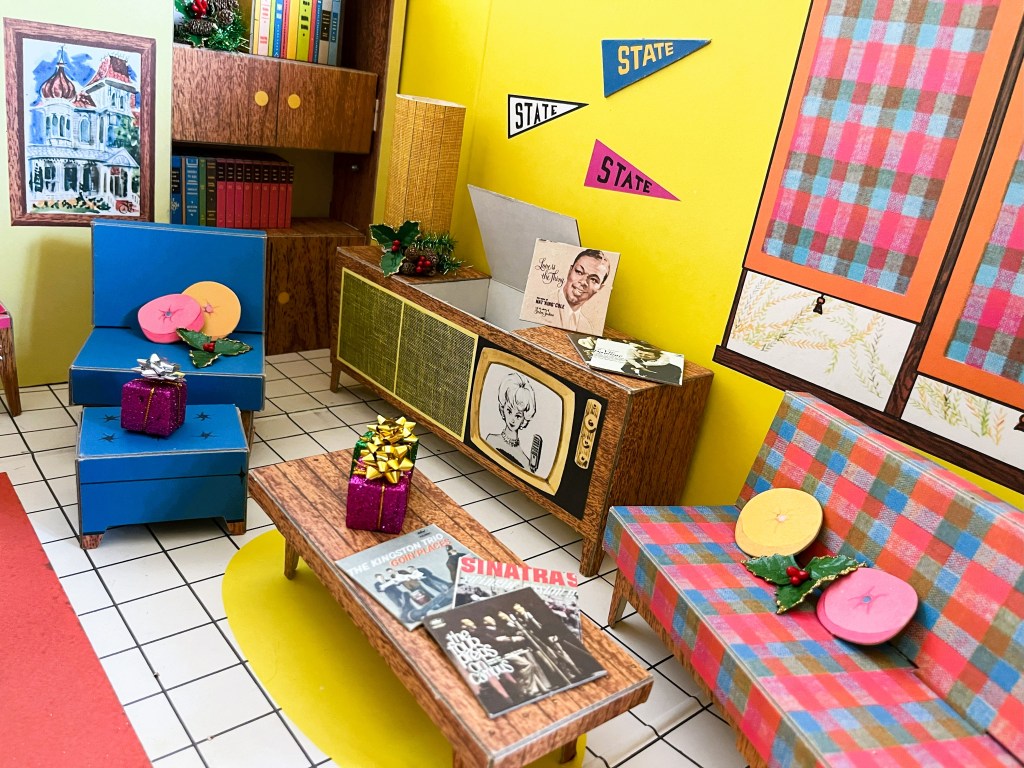
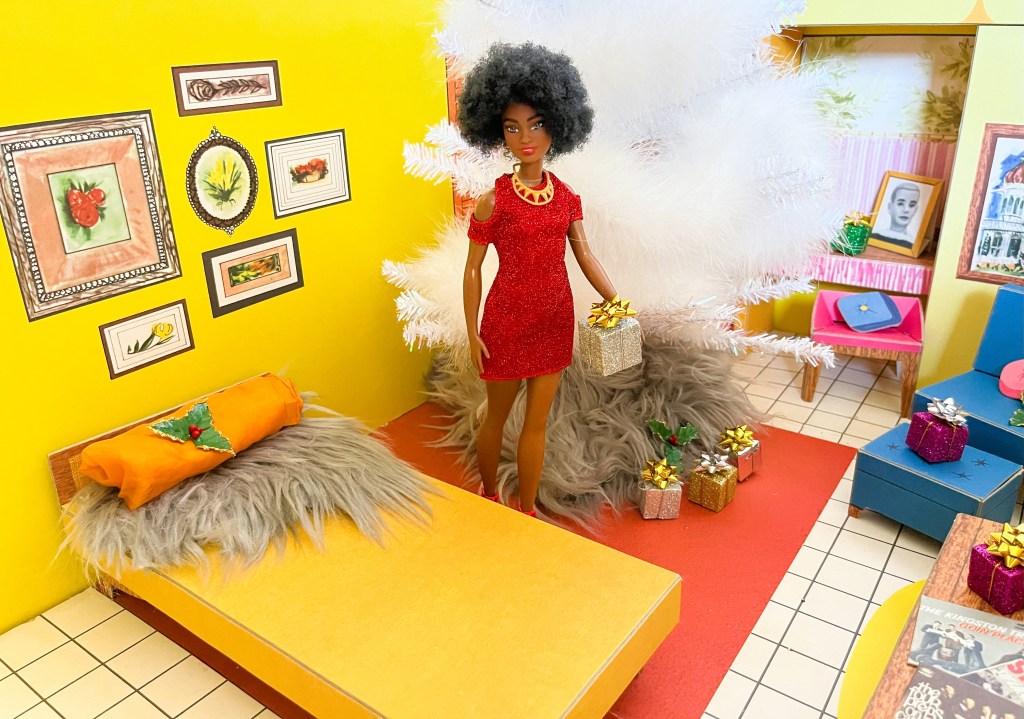
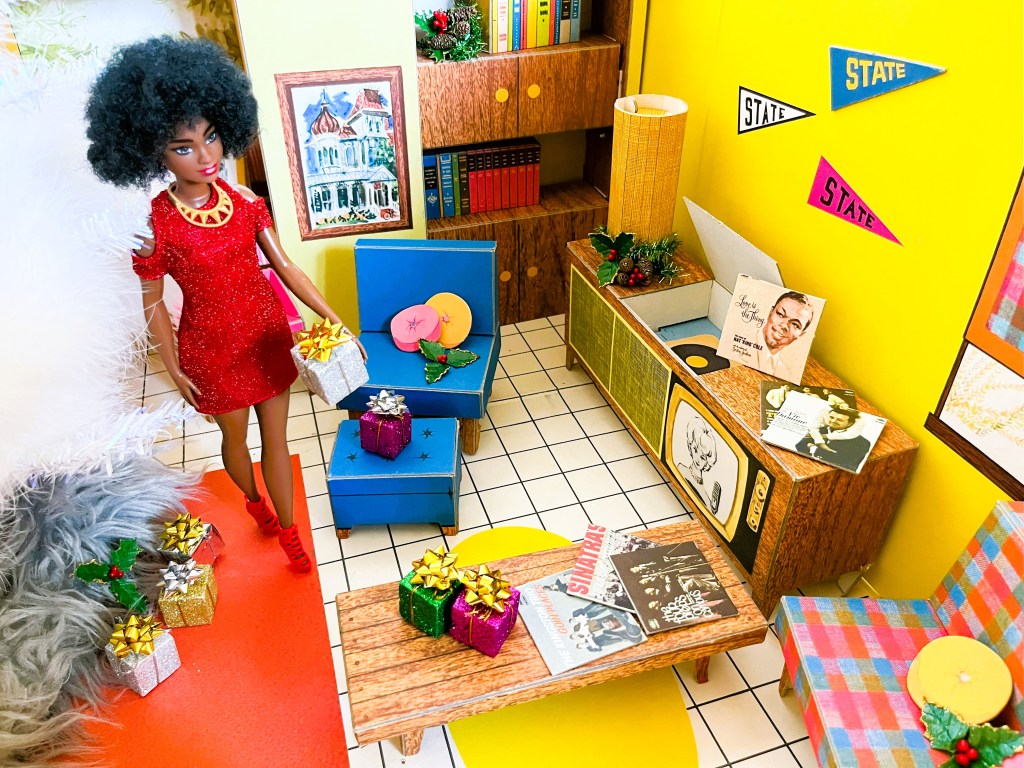
In 1962, Barbie moved into her very first Dream House. Mattel’s No. 816 was nothing like the enormous pink plastic Dreamhouses that would come decades later. Instead, it was a stylish, portable mid-century studio made largely from printed cardboard.
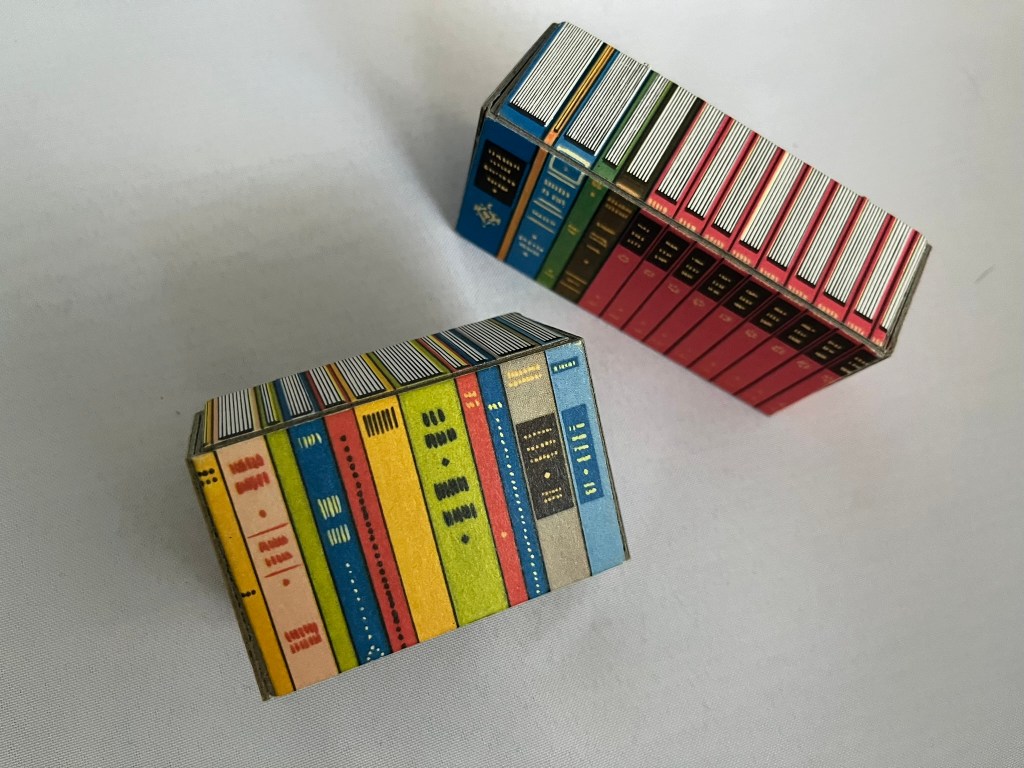
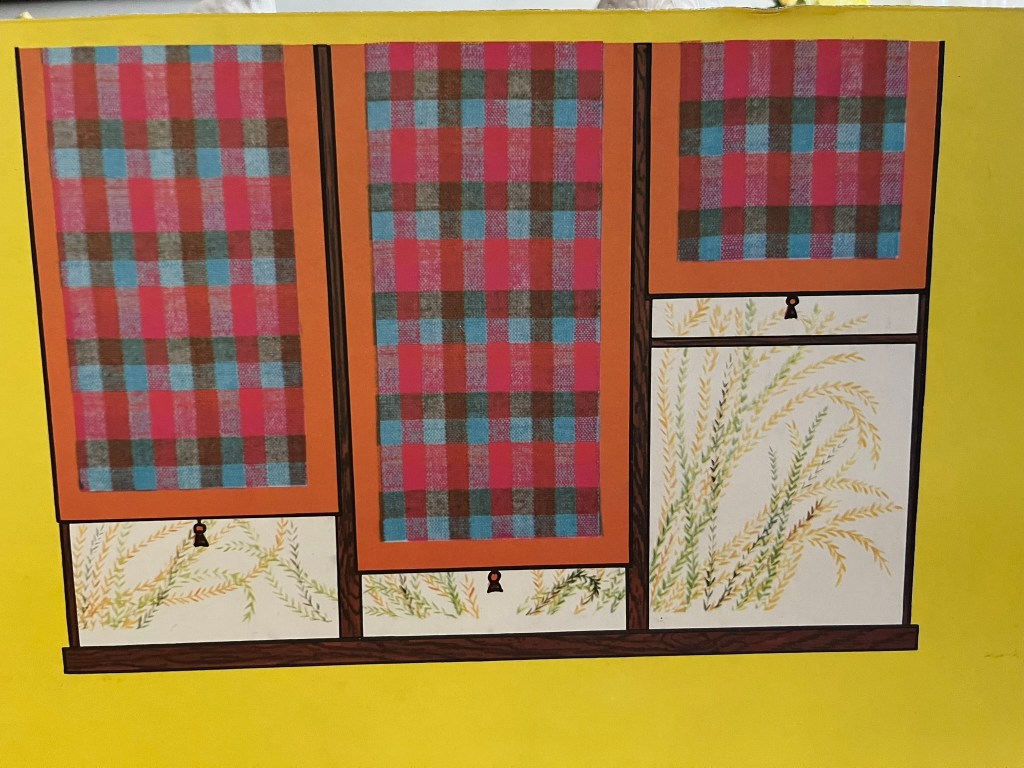
The house folded into its own carrying case and opened to reveal a remarkably grown-up space filled with slim modern furniture, a sofa, bed, wardrobe, books, records, telephone and television/stereo console. Its turquoise, yellow, wood-grain and plaid décor perfectly captured the early 1960s.
Perhaps most fascinating is what the house represented. Barbie had a home of her own—a fashionable little space designed around her independent life. More than sixty years later, the original 1962 Dream House is both a beloved Barbie collectible and a miniature time capsule of mid-century American design.
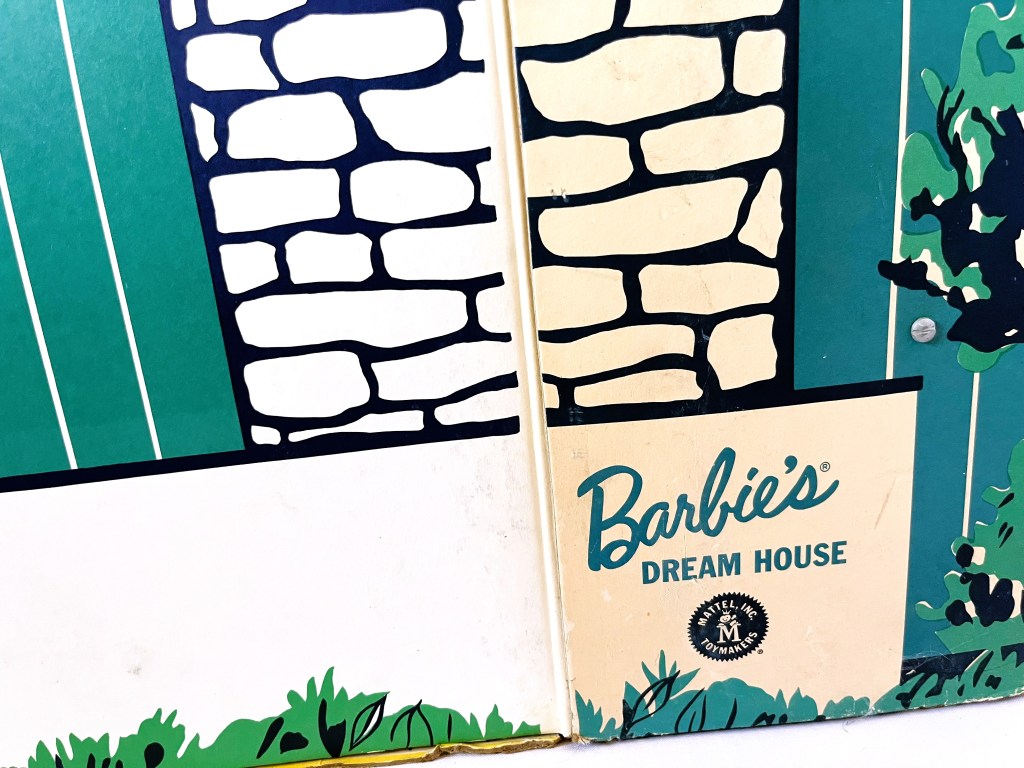
Holiday-Themed home deco: MATTEL 1962 BARBIE DREAM HOUSE – HOUSE MINIATURES
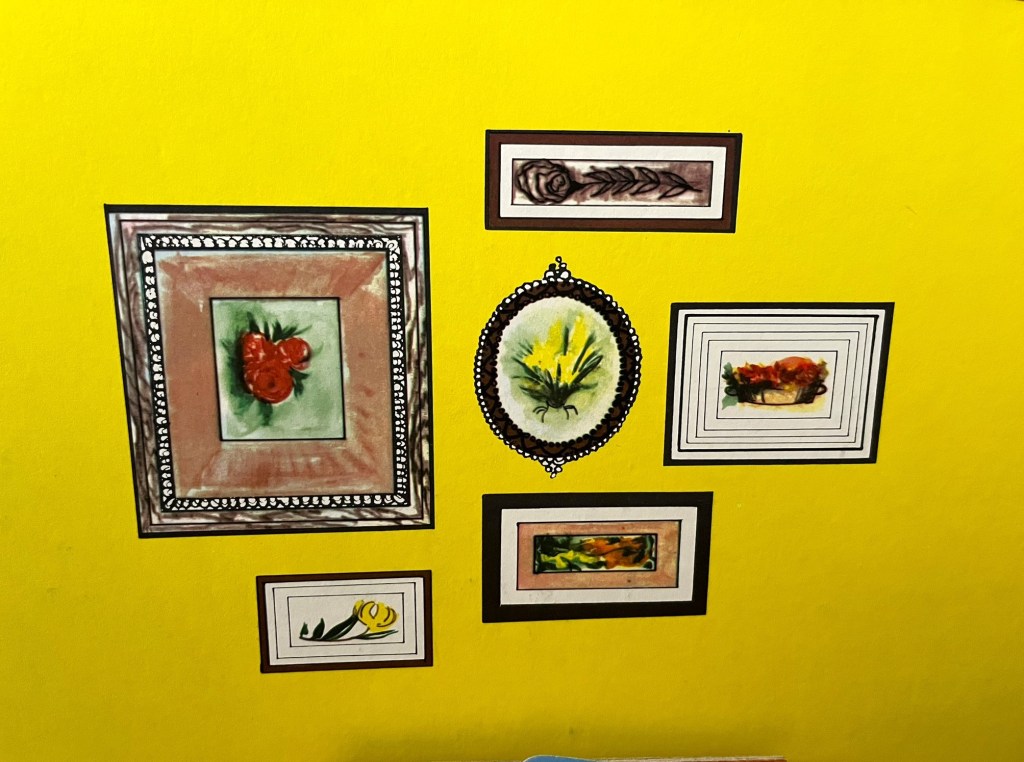
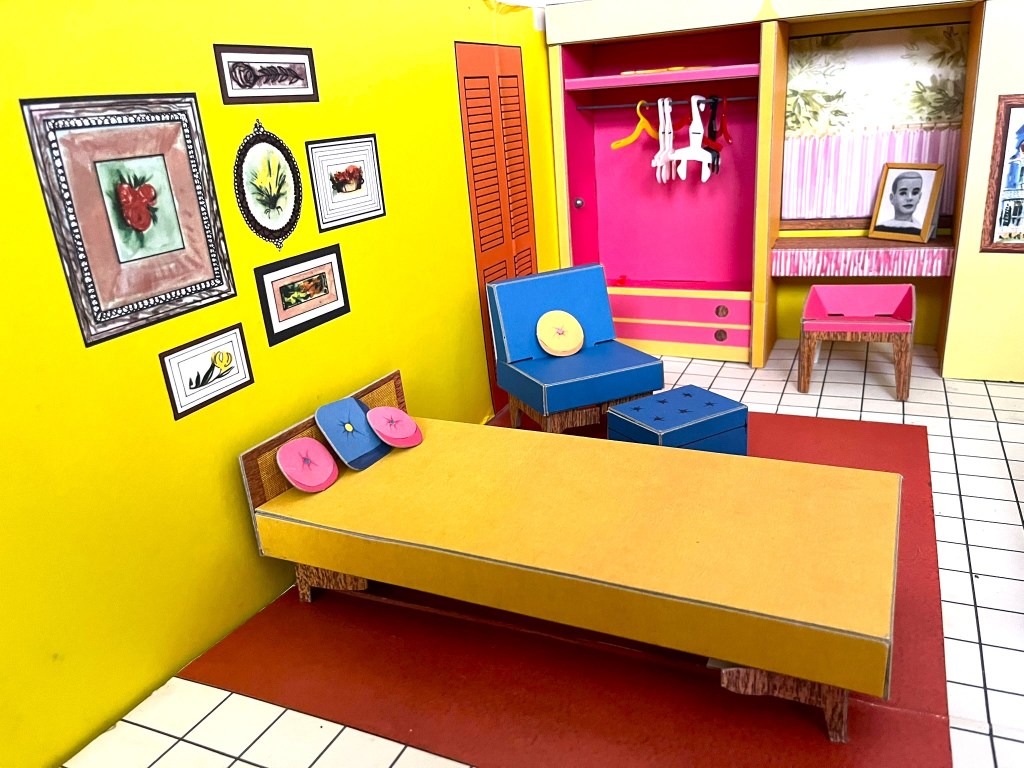
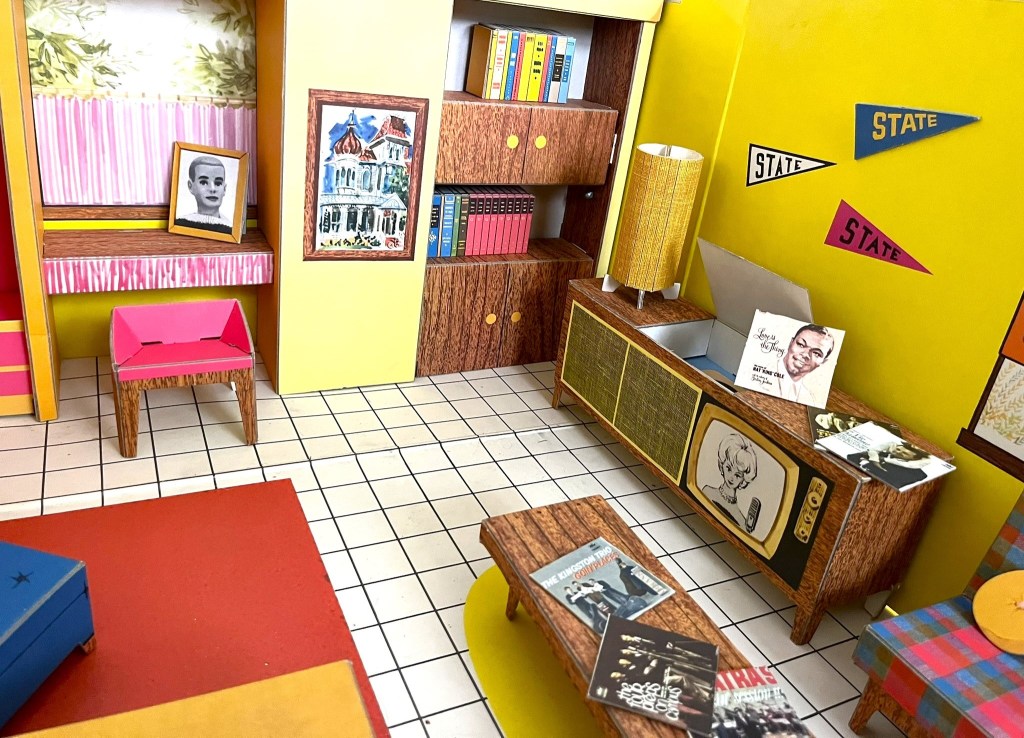
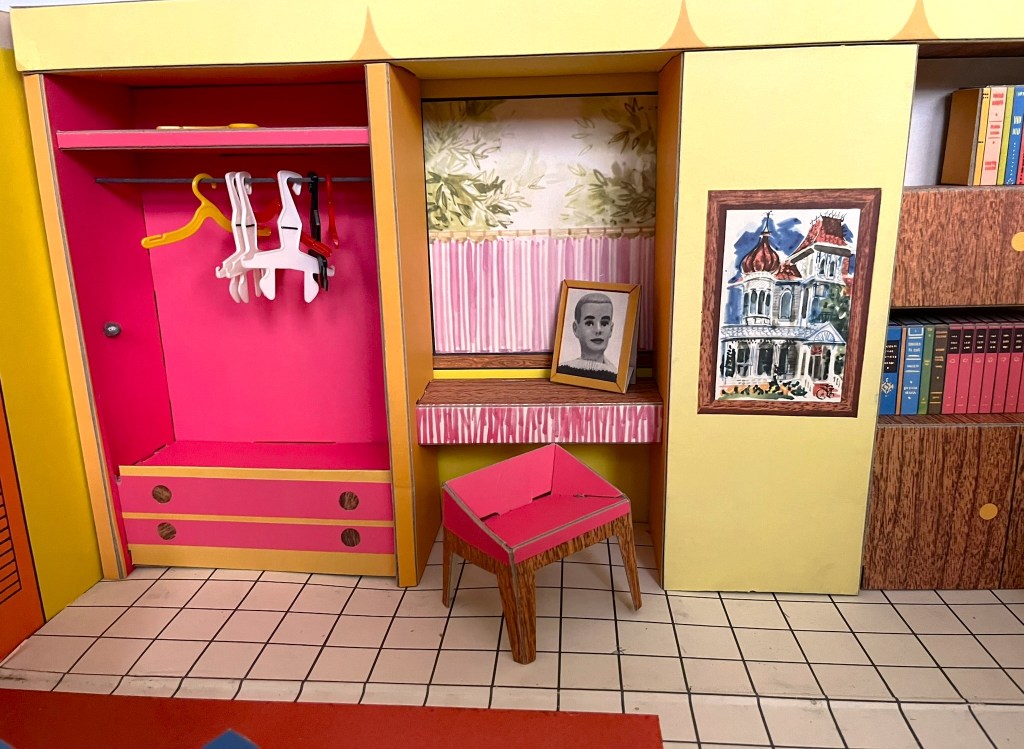

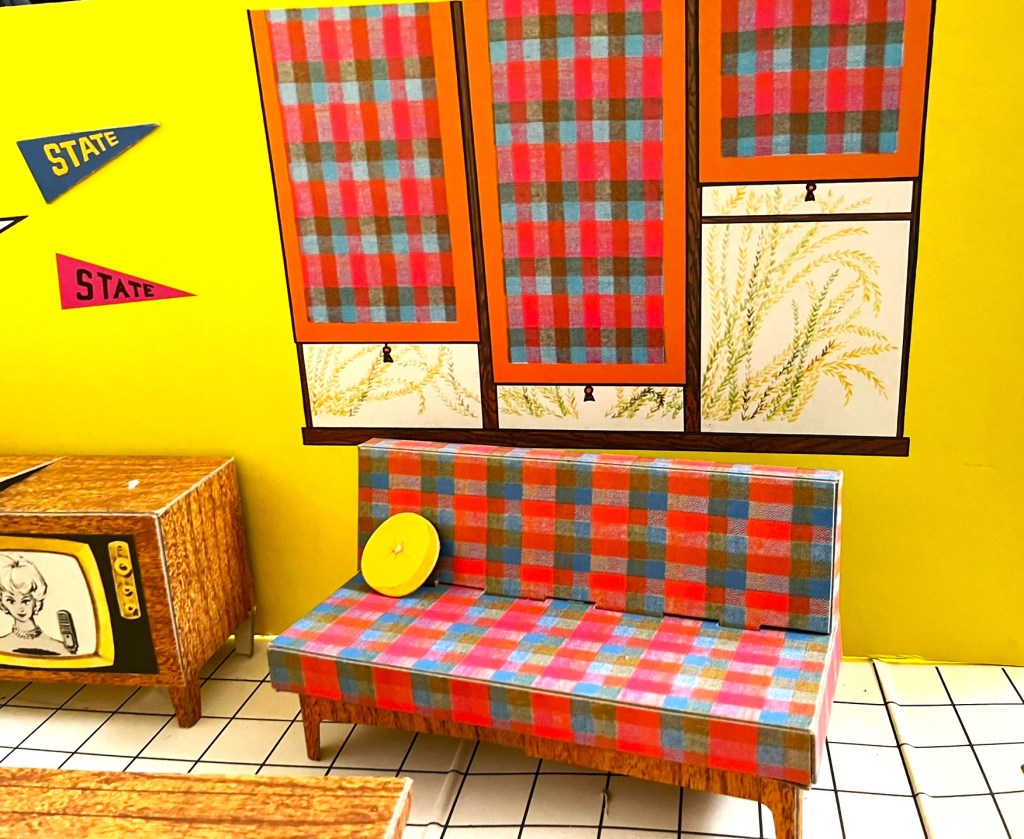
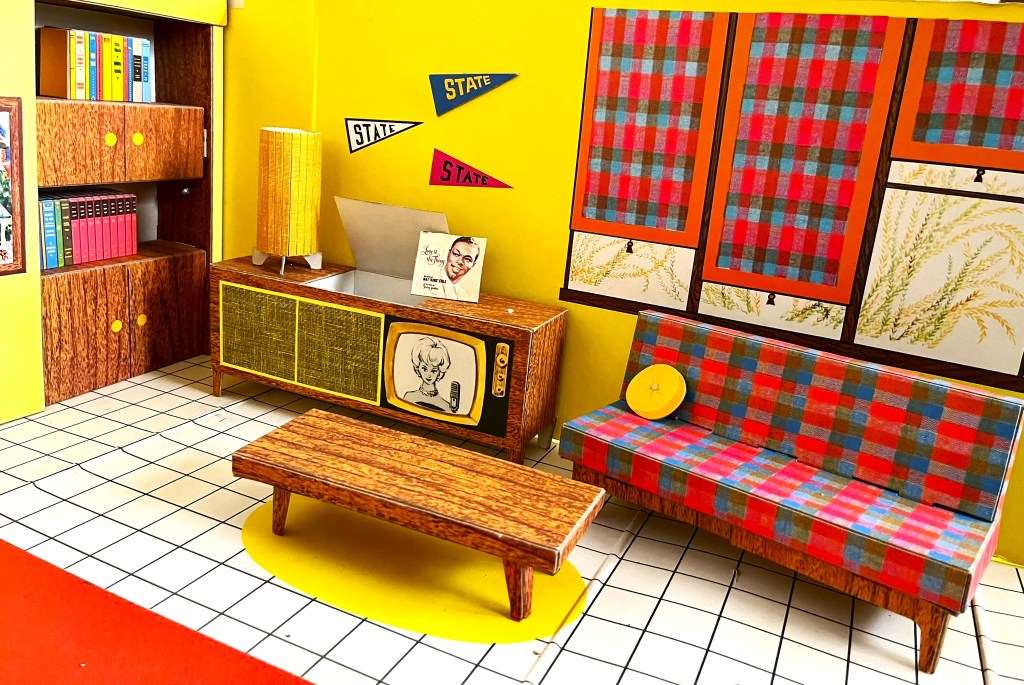
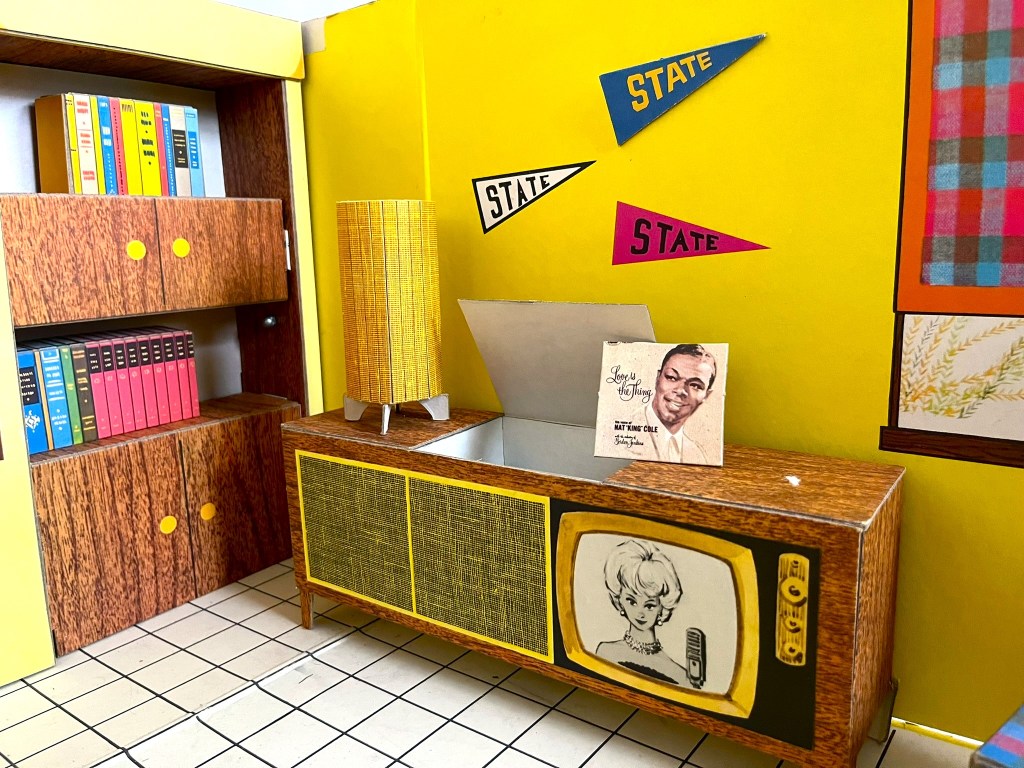
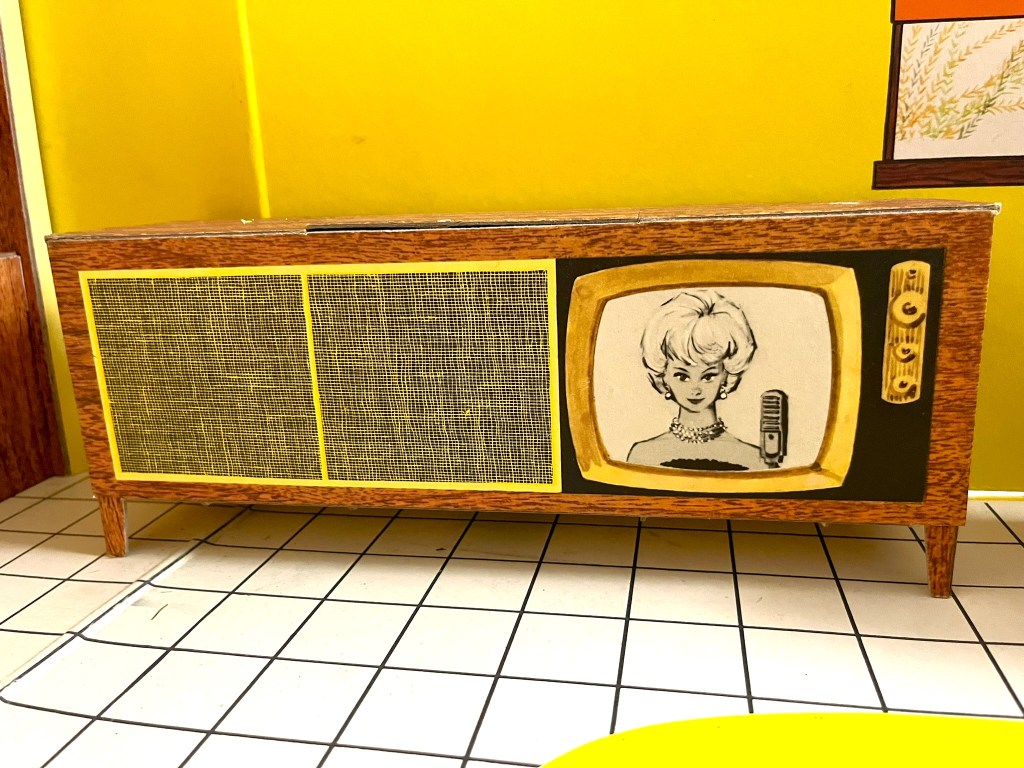
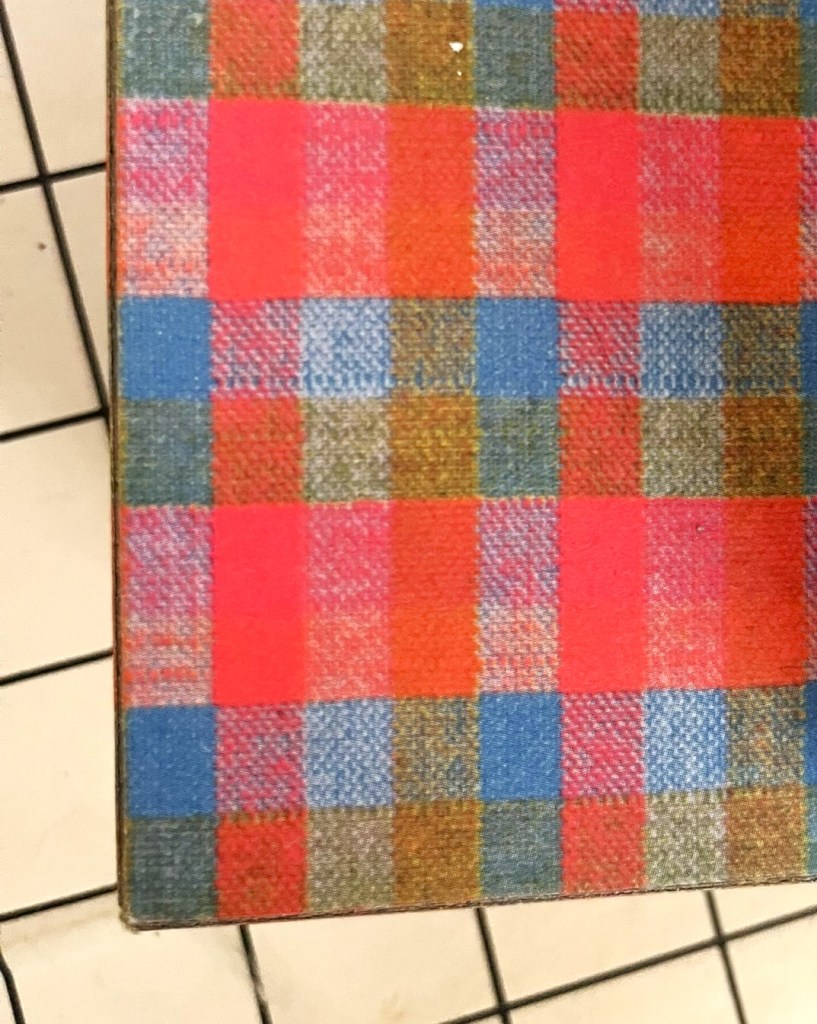
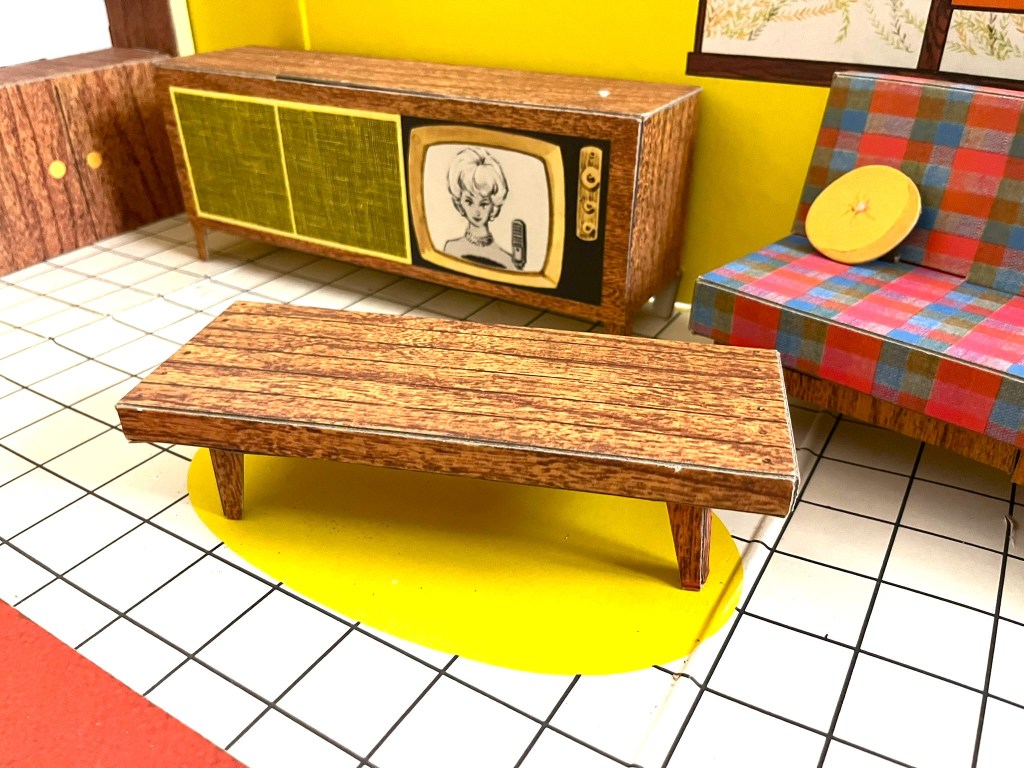
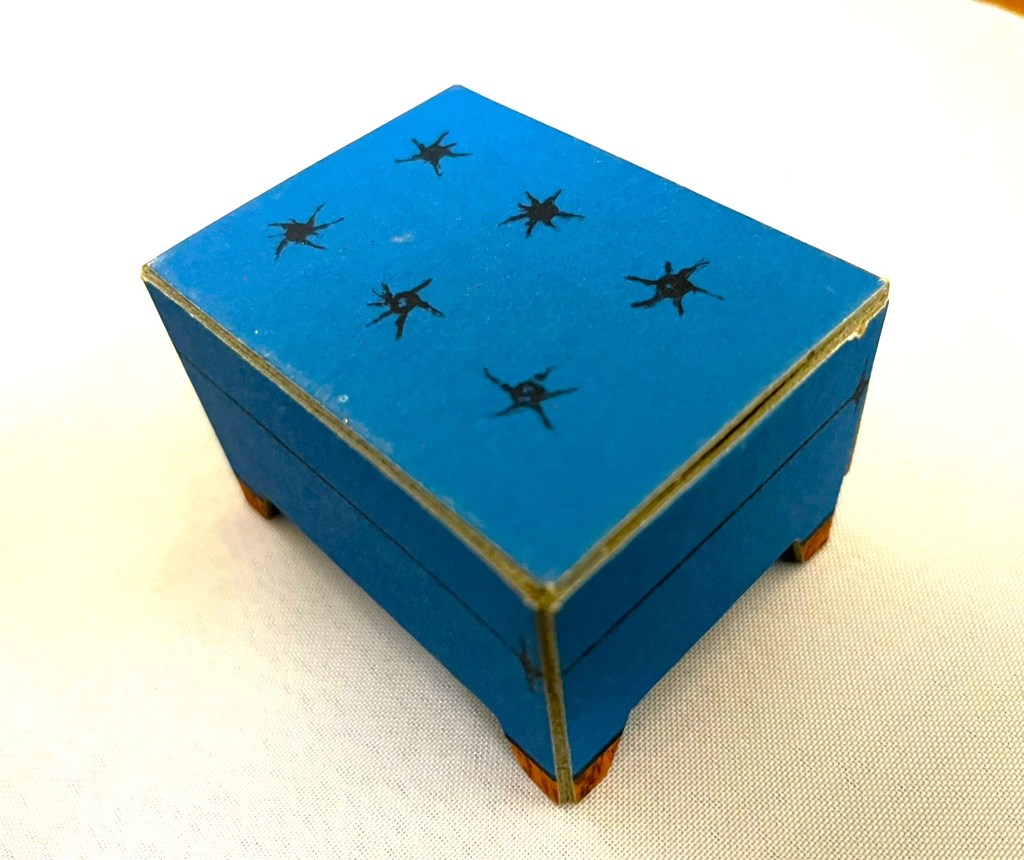
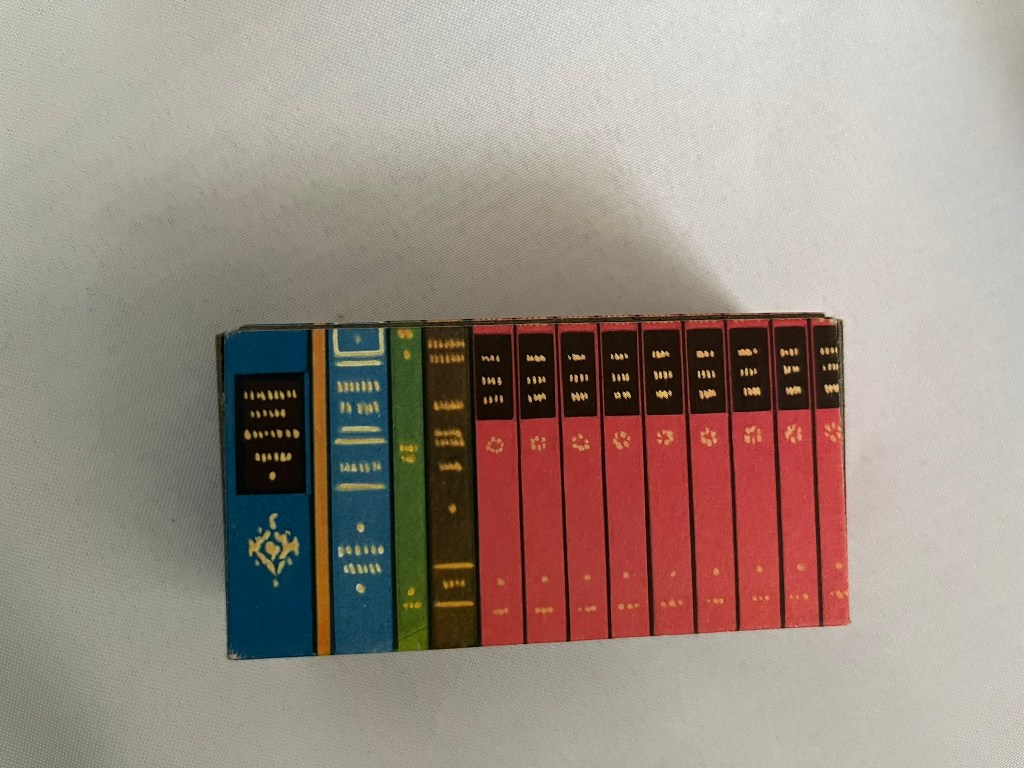
Opened for play: about 31½” wide × 16½” deep × 12½” high

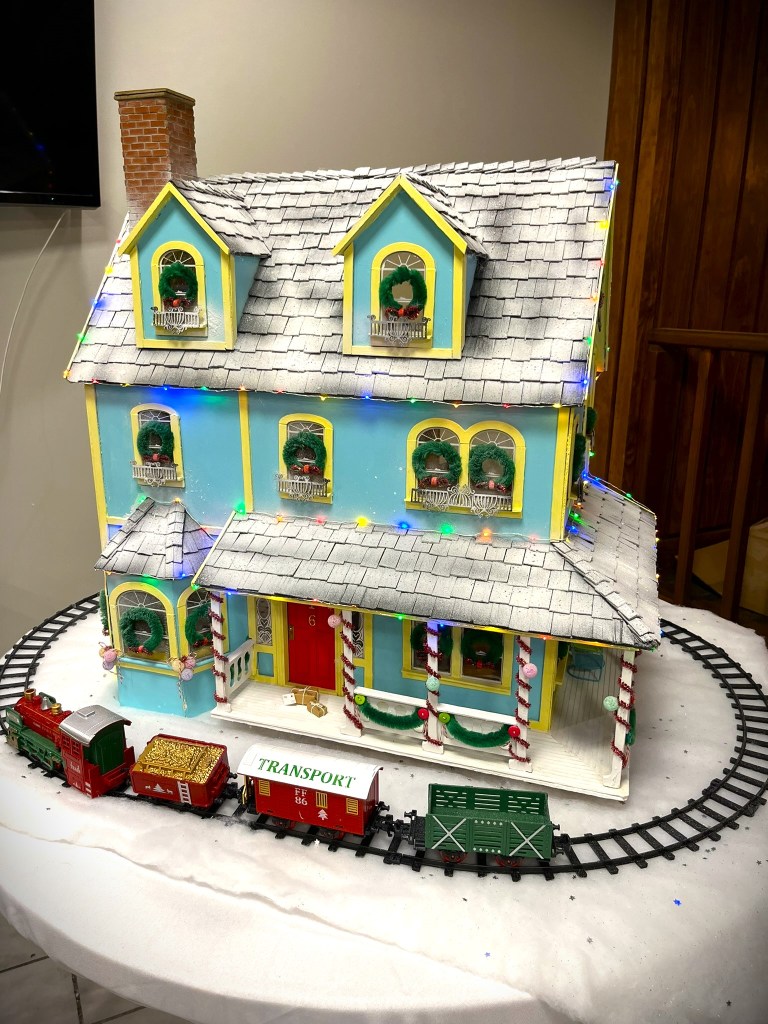
So excited to share Swoboda Deaf Center is hosting their annual Winter Deaf Festival this month of December and I’m lending our Christmas miniature house where everyone can see it up close.
According to Swoboda Deaf Center (SDC) website:
SDC is the only Deaf owned community center in the Chicagoland area for the Deaf, Hard-of-Hearing, DeafBlind, CODA (Children of Deaf Adults), and ASL signers to come together. Swoboda Deaf Center’s mission is to provide resources, educational workshops, social gatherings, and special events including cultural awareness.
–HOLIDAY THEMED! –

14”H x 26″W x 8″D
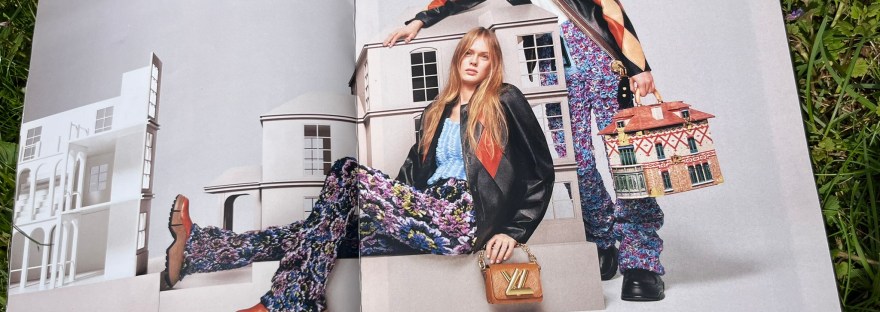
So interesting – and stunningly BEAUTIFUL!!! Check them out…
(Please note I’ve connected every article links to each image for references.)

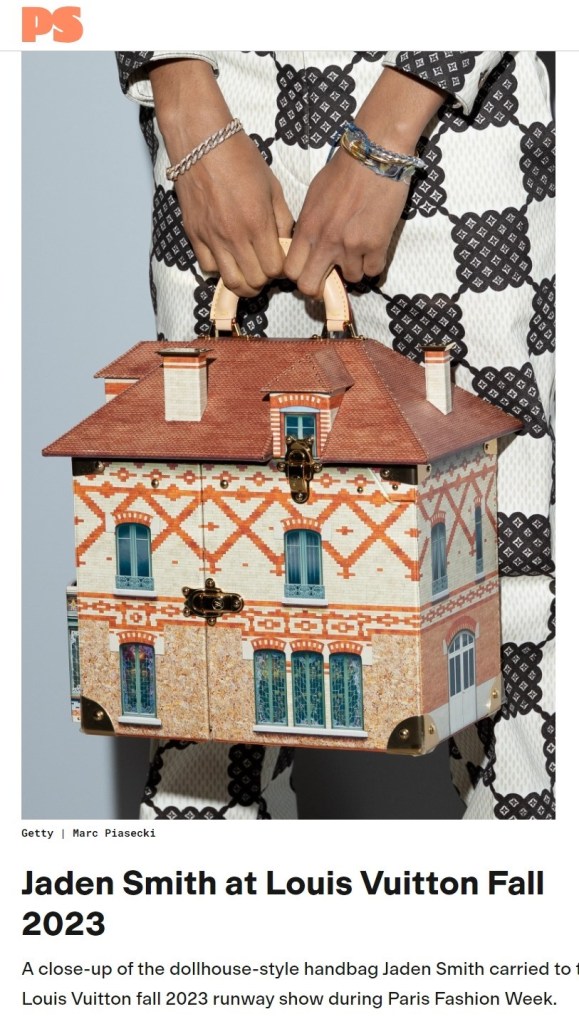

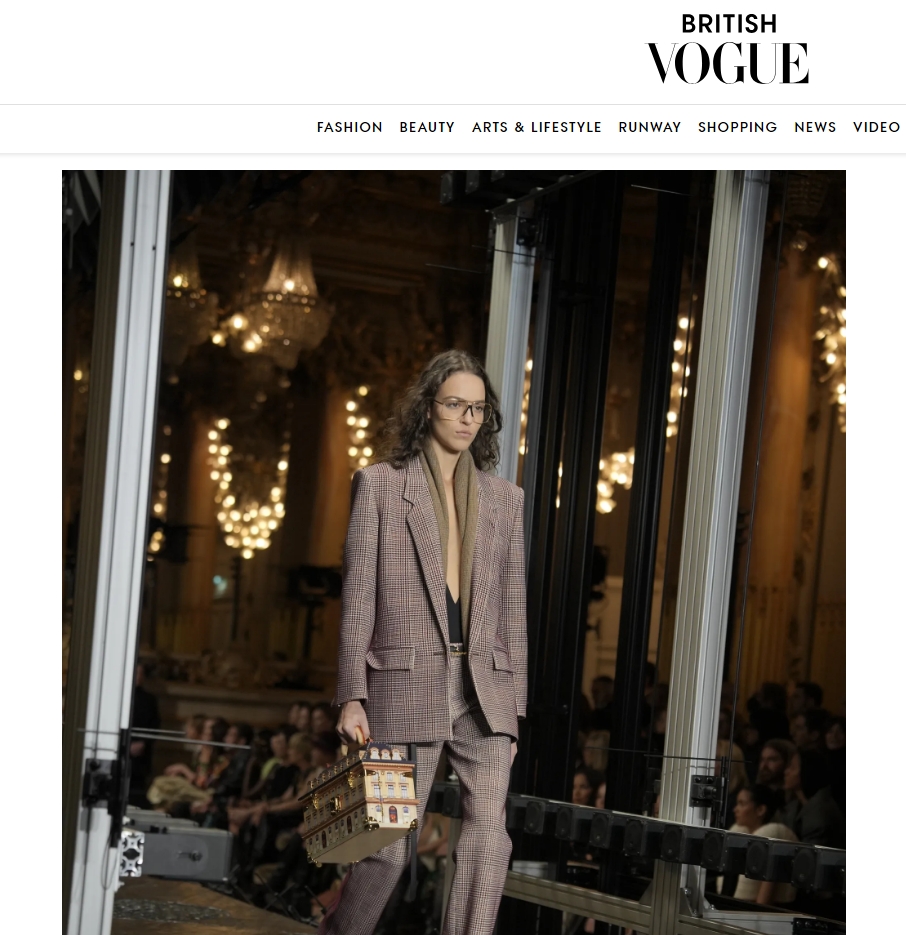

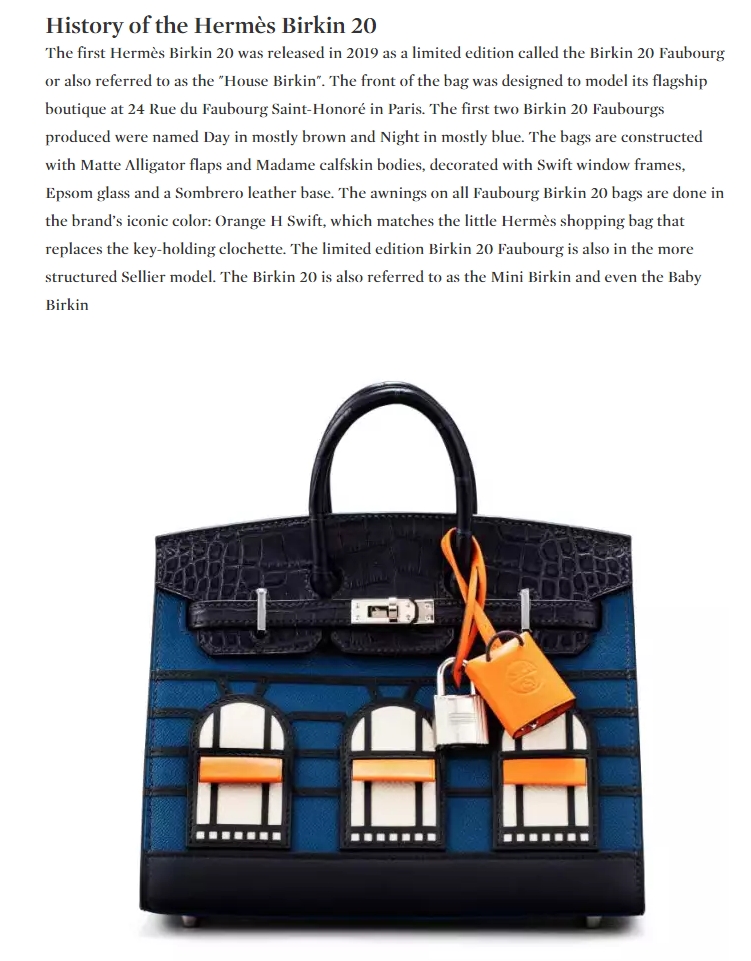


In my previous blog post, I mentioned Columbian House miniature which I saw at Hancock County Museum yet decided to elaborate.
The actual Columbian House was built in 1828 as a stagecoach stop and inn. In later years, it was home to a popular restaurant. It sits at the corner of River Road and Farnsworth Road in Waterville, Ohio.
Fun fact: It’s believed to be haunted! There are stories about spirits, roaming their halls through the years.
“There are a lot of ghost stories from here. That’s been going on for about 100 years. It adds to the charm, but it is a very small part of the wonderful story here.” Local news
Columbian House Facebook Page


